2026 Mexican Federal Budget: Spending Priorities & Economic Outlook
Advertisements
Latest developments on the 2026 Mexican Federal Budget, with key facts, verified sources and what readers need to monitor next in México, presented clearly in English.
The 2026 Mexican Federal Budget is shaping today’s agenda with new details released by officials and industry sources. This update prioritizes what changed, why it matters and what to watch next, in a straightforward news format.
Understanding the 2026 Mexican Federal Budget Framework
The 2026 Mexican Federal Budget is currently in its initial stages of formulation, with preliminary projections and broad fiscal guidelines beginning to emerge from governmental bodies. These early discussions lay the groundwork for the detailed allocations that will directly influence Mexico’s economic trajectory and social programs.
Key economic indicators, including projected GDP growth, inflation rates, and oil prices, form the bedrock upon which the entire budgetary framework is constructed. These macroeconomic assumptions are crucial, as they determine the revenue expectations and the fiscal space available for public expenditure.
The Mexican Ministry of Finance and Public Credit (SHCP) leads the technical preparation, engaging various ministries and state-owned enterprises to gather spending proposals. This collaborative process ensures that the budget reflects both national priorities and the operational needs of diverse government functions.
Initial Economic Outlook and Revenue Projections for 2026 Mexican Federal Budget
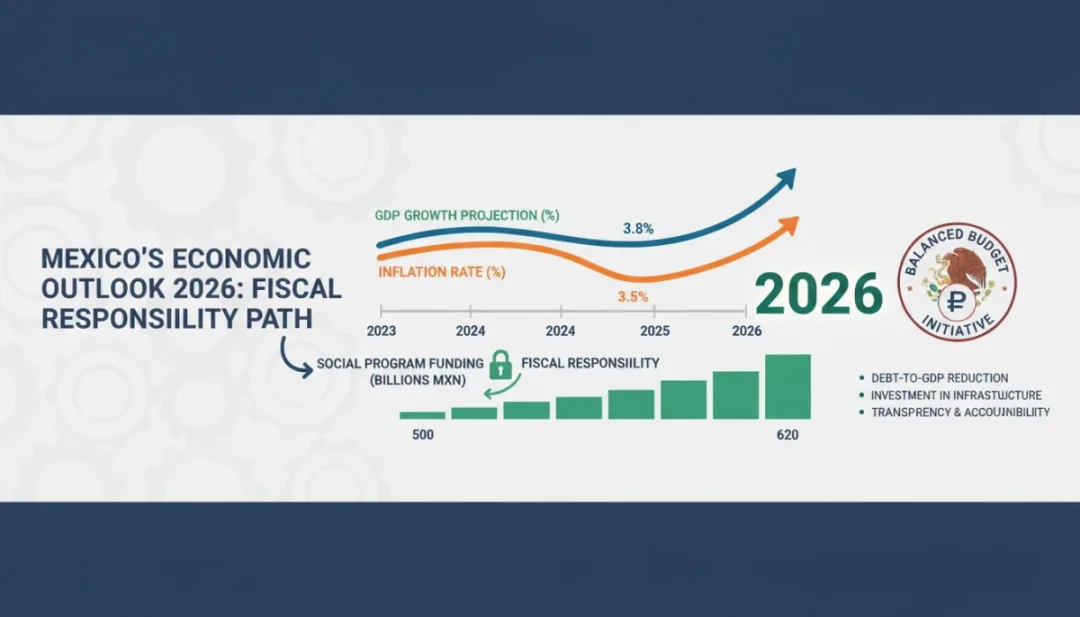
Mexico’s economic outlook for 2026 anticipates continued moderate growth, influenced by global economic trends and domestic policy stability. Analysts project a GDP growth rate within a range of 2.0% to 3.0%, contingent on factors such as nearshoring investments and stable trade relations.
Revenue projections for the 2026 Mexican Federal Budget heavily rely on a diversified tax base and stable oil income. The government aims to enhance tax collection efficiency and reduce informal economic activities to bolster non-oil revenues.
Oil revenues, while still significant, are subject to international price volatility, prompting a cautious approach in fiscal planning. The administration is focused on strengthening public finances through prudent debt management and strategic resource allocation to minimize external shocks.
Key Spending Priorities in the 2026 Mexican Federal Budget
Social programs are expected to remain a cornerstone of the 2026 Mexican Federal Budget, with significant allocations directed towards welfare initiatives. These programs aim to reduce poverty and inequality, providing direct support to vulnerable populations across the country.
Infrastructure development continues to be a high-priority area, with investments earmarked for strategic projects in transportation, energy, and communication. These investments are crucial for enhancing economic competitiveness and facilitating regional development.
Public health and education sectors are also poised to receive substantial funding, reflecting the government’s commitment to improving human capital and social well-being. The budget seeks to strengthen healthcare services and expand access to quality education nationwide.
National security and defense allocations are projected to increase, addressing ongoing challenges related to public safety and border control. The government aims to modernize security forces and enhance their operational capabilities to ensure peace and stability.
Environmental protection and sustainable development initiatives are gaining prominence, with growing investments in renewable energy and conservation efforts. The 2026 Mexican Federal Budget will likely include funding for projects that promote ecological balance and climate resilience.
Support for small and medium-sized enterprises (SMEs) and agricultural development forms another critical component of the spending priorities. These funds aim to stimulate economic activity, create jobs, and foster innovation within these vital sectors.
Fiscal Policy and Debt Management for the 2026 Mexican Federal Budget
The government’s fiscal policy for the 2026 Mexican Federal Budget emphasizes maintaining macroeconomic stability and fiscal discipline. This involves a commitment to responsible spending and prudent management of public debt to avoid inflationary pressures.
Debt management strategies include refinancing existing obligations at favorable rates and exploring new financing mechanisms to support long-term development goals. The aim is to ensure the sustainability of public finances without compromising future generations.
The administration is also focused on enhancing fiscal transparency and accountability, implementing measures to prevent corruption and ensure efficient use of public resources. This commitment is vital for building public trust and promoting good governance.
Revenue and Expenditure Balances
- The 2026 Mexican Federal Budget projects a balanced budget, with revenues expected to cover planned expenditures.
- Contingency funds are being built to address unforeseen economic shocks or natural disasters, providing a buffer against external vulnerabilities.
- Ongoing efforts to broaden the tax base and improve collection efficiency are central to achieving these fiscal targets.
The government anticipates a primary surplus, indicating that revenues will exceed non-interest expenditures, a key indicator of fiscal health. This surplus allows for greater flexibility in managing debt and investing in priority areas.
Expenditure rationalization measures are continuously being implemented to ensure that public funds are utilized effectively and efficiently. This includes reviewing program effectiveness and eliminating wasteful spending.
The fiscal framework also considers the impact of global interest rates and commodity prices, which can significantly influence both revenue and debt servicing costs. Proactive management is essential to mitigate these risks.
Impact on Key Sectors: Analysis of the 2026 Mexican Federal Budget
The energy sector, particularly state-owned enterprises like Pemex and CFE, will see continued investment, focusing on modernization and efficiency improvements. The budget aims to strengthen energy sovereignty and ensure reliable supply.
The manufacturing sector is expected to benefit from infrastructure investments and policies promoting foreign direct investment. The nearshoring phenomenon is a significant driver, creating opportunities for industrial expansion and job creation.
The tourism sector, a vital contributor to Mexico’s economy, will likely receive funding for promotional campaigns and infrastructure upgrades. The goal is to attract more international visitors and support local economies dependent on tourism.
Infrastructure and Regional Development
- Major infrastructure projects, such as the Maya Train and the Interoceanic Corridor, will continue to receive significant budget allocations.
- Regional development initiatives are designed to reduce economic disparities between different parts of the country, fostering inclusive growth.
- Investment in logistics and transportation networks is critical for enhancing trade efficiency and reducing operational costs for businesses.
The agricultural sector is also a focus, with programs aimed at increasing productivity, promoting sustainable farming practices, and supporting small farmers. Food security remains a key objective of the 2026 Mexican Federal Budget.
The technology and innovation sectors are slated for increased support, recognizing their potential to drive economic diversification and competitiveness. Funding for research and development, as well as digital infrastructure, is anticipated.
Financial services are expected to remain robust, supported by stable macroeconomic conditions and regulatory frameworks that promote investment. The budget aims to foster a dynamic and secure financial environment.
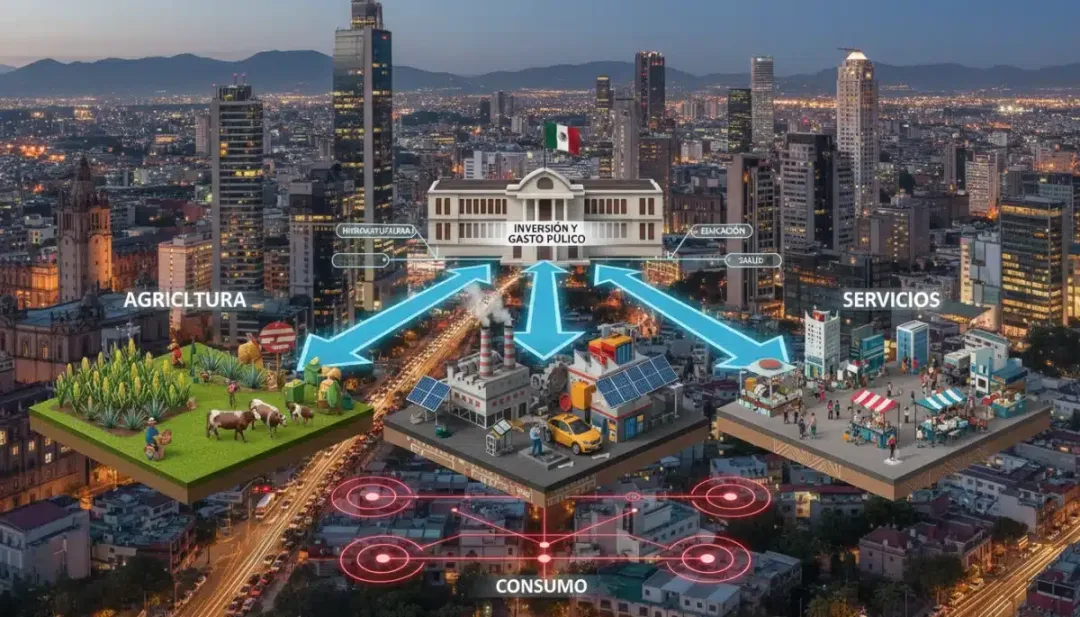
The construction industry will experience a boost from both public and private sector projects, fueled by infrastructure investments and housing demand. This sector is a significant employer and economic driver.
Retail and consumer goods sectors are expected to benefit from improved consumer confidence and increased disposable income, driven by social programs and job growth. The budget aims to sustain domestic consumption.
The education sector will see continued efforts to improve educational quality and access, from primary to higher education. Investments in teacher training and digital learning resources are high on the agenda.
Challenges and Opportunities for the 2026 Mexican Federal Budget
One of the primary challenges for the 2026 Mexican Federal Budget is navigating global economic uncertainties, including potential recessions in major trading partners and supply chain disruptions. These external factors can impact Mexico’s export performance and investment flows.
Domestic challenges include managing inflationary pressures, ensuring adequate public service delivery, and addressing social inequalities. The budget must strike a delicate balance between fiscal prudence and social responsibility.
Opportunities arise from the nearshoring trend, which could attract substantial foreign investment and create numerous jobs. Leveraging Mexico’s strategic geographic location and trade agreements is crucial for maximizing these benefits.
Global Economic Influences
- Fluctuations in global commodity prices, especially oil, directly impact Mexico’s revenue streams.
- Interest rate policies of major central banks can influence borrowing costs for the Mexican government.
- Geopolitical tensions and trade disputes may affect Mexico’s export markets and foreign investment inflows.
Technological advancements present an opportunity to enhance productivity and efficiency across various sectors. The budget can support digital transformation initiatives and foster a tech-savvy workforce.
Demographic shifts, particularly the youth bulge, offer a demographic dividend if adequately supported by investments in education and job creation. The 2026 Mexican Federal Budget must cater to the needs of a growing young population.
Strengthening institutional frameworks and combating corruption are ongoing opportunities to improve governance and attract greater investment. A transparent and predictable regulatory environment is essential for economic growth.
Public Consultation and Legislative Process for 2026 Mexican Federal Budget
The formulation of the 2026 Mexican Federal Budget involves a structured legislative process that begins with the executive branch’s proposal. This proposal is then submitted to the Chamber of Deputies for extensive review and debate.
Public consultations and expert forums often precede the final submission, allowing various stakeholders to provide input and influence budgetary priorities. This inclusive approach aims to ensure the budget reflects a broad range of societal needs.
The legislative debate involves detailed scrutiny of each budgetary item, with amendments and modifications frequently proposed by different political factions. The goal is to reach a consensus that balances economic objectives with social demands.
Once approved by the Chamber of Deputies, the budget is then sent to the Senate for final ratification, though the Senate’s powers are generally limited to reviewing procedural aspects. The executive branch then promulgates the budget into law.
Throughout this process, transparency and public access to information are crucial for ensuring accountability. Official documents and analyses are made available to the public, fostering informed discussion and oversight.
The role of independent fiscal bodies and economic think tanks is vital in providing objective analysis and recommendations, contributing to a more robust and evidence-based budgetary discourse for the 2026 Mexican Federal Budget.
Future Economic Outlook and Projections beyond 2026
Beyond 2026, Mexico’s economic trajectory will largely depend on the sustained implementation of sound fiscal policies and structural reforms. Continued investment in human capital and infrastructure will be paramount for long-term growth.
Diversification of the economy away from traditional sectors and towards high-value-added industries will be crucial for enhancing resilience to global shocks. Innovation and technological adoption are key drivers for this transformation.
Regional integration and strengthening trade ties, particularly with North American partners, will continue to play a significant role in Mexico’s economic future. The USMCA agreement provides a framework for sustained economic cooperation.
Long-Term Fiscal Sustainability
- Maintaining a healthy public debt-to-GDP ratio is a long-term goal to ensure fiscal stability.
- Pension system reforms and healthcare funding remain critical components of future fiscal planning.
- The budget seeks to create a sustainable growth path that benefits all segments of the Mexican population.
Addressing climate change and promoting environmental sustainability will also be central to future economic planning. Investments in green technologies and renewable energy sources are expected to increase over time.
Social mobility and reducing inequality through targeted programs and educational opportunities will remain a focus for future administrations. Inclusive growth is a core objective for Mexico’s long-term development.
The evolving geopolitical landscape and global trade dynamics will necessitate adaptable economic strategies. Mexico aims to position itself as a reliable and competitive player in the international arena, building on the foundation set by the 2026 Mexican Federal Budget.
| Key Point | Brief Description |
|---|---|
| Economic Growth | Projected GDP growth of 2.0-3.0% for 2026, driven by nearshoring and trade. |
| Spending Priorities | Focus on social programs, infrastructure, health, education, and national security. |
| Fiscal Strategy | Emphasizes stability, debt management, and revenue diversification to ensure sustainability. |
| Key Challenges | Global uncertainties, inflation, and social inequality require careful budgetary navigation. |
Frequently Asked Questions About the 2026 Mexican Federal Budget
What are the main goals of the 2026 Mexican Federal Budget?▼The main goals center on fostering economic stability, reducing social inequality through robust social programs, and investing in strategic infrastructure. The budget aims to strengthen public finances and ensure sustainable long-term growth for Mexico.
How will the 2026 Mexican Federal Budget impact ordinary citizens?▼Ordinary citizens will likely see continued support through social welfare programs, improved public services in health and education, and potential job creation from infrastructure projects. The budget seeks to enhance overall well-being and economic opportunities.
What are the key revenue sources for the 2026 Mexican Federal Budget?▼Key revenue sources include a diversified tax base, with a focus on improving collection efficiency, and stable oil revenues. The government is also exploring ways to reduce the informal economy to broaden the tax contributions.
What role does nearshoring play in the 2026 Mexican Federal Budget?▼Nearshoring is a significant opportunity, expected to attract foreign investment and stimulate economic growth. The budget aims to capitalize on this trend by supporting infrastructure development and creating a favorable business environment to maximize its benefits.
How is public debt being managed in the 2026 Mexican Federal Budget?▼Public debt management focuses on maintaining a sustainable debt-to-GDP ratio through prudent fiscal policies and refinancing strategies. The budget prioritizes fiscal discipline to ensure long-term financial health and stability for the nation.
Looking Ahead: Implications of the 2026 Mexican Federal Budget
The 2026 Mexican Federal Budget lays a critical foundation for the nation’s economic and social trajectory in the coming years. Its focus on social welfare, infrastructure, and fiscal stability signals a commitment to inclusive growth and resilience. Monitoring the implementation of these budgetary provisions, especially in key sectors like energy and manufacturing, will be essential to gauge their effectiveness.
Future economic performance will hinge on the government’s ability to adapt to global economic shifts and effectively manage domestic challenges such as inflation and inequality. The budget’s success will ultimately be measured by its tangible impact on job creation, poverty reduction, and sustainable development across Mexico.