Mexico’s Energy Sector 2026: Regulatory Changes & Sustainable Growth
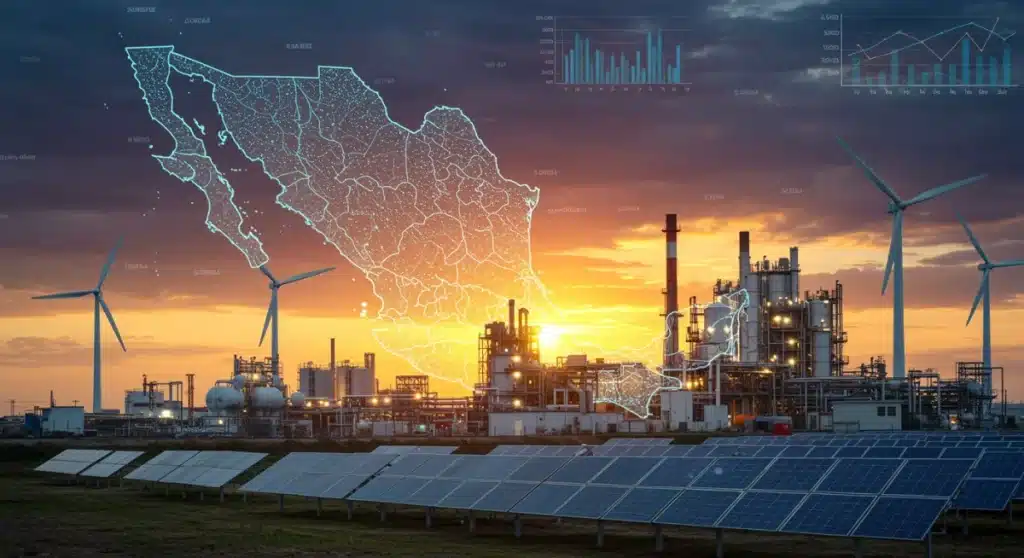
The Mexico’s Energy Sector is entering a decisive phase under a new “binding planning” model. This centralized framework prioritizes state-led reliability while carving out specific 46% participation windows for private stakeholders to support national grid stabilization.
Recent legislative shifts have replaced legacy regulators with a streamlined oversight body to accelerate “Plan México” infrastructure. These updates mandate that all new power generation and storage projects align strictly with official decarbonization and energy sovereignty targets.
As the nation targets a 45% clean energy share by 2030, 2026 stands as a critical year for battery storage and renewable integration. Navigating these regulatory milestones is now essential for capital alignment within the region’s evolving electricity market.
Advertisements
Understanding the Evolving Regulatory Framework
Mexico’s energy regulatory framework continues to evolve, reflecting both national energy sovereignty goals and international sustainability commitments. These ongoing adjustments are designed to reshape the operational landscape for all energy players.
The changes touch upon various aspects, including permitting processes, grid access, and the role of state-owned enterprises versus private investment. Stakeholders are closely monitoring these shifts for their long-term implications on project development and financial viability.
The government’s strategy emphasizes strengthening national control over strategic energy resources while cautiously integrating renewable technologies. This balancing act defines much of the current regulatory discourse within the Mexico Energy Sector 2026.
Key Legislative Amendments and Their Impact
Several legislative amendments have been introduced or are under consideration, aiming to streamline certain processes while tightening others. These amendments often spark debate regarding their alignment with existing international trade agreements.
The impact of these changes is far-reaching, affecting investment decisions, project timelines, and the overall competitiveness of Mexico’s energy market. Companies are adapting their strategies to navigate this complex and evolving legal environment.
For instance, new requirements for local content and increased scrutiny on environmental impact assessments are becoming standard. These measures, while promoting national interests, also introduce new layers of compliance for foreign and domestic investors in the Mexico Energy Sector 2026.
- Permitting Streamlining: Efforts to simplify and expedite permits for essential energy infrastructure projects.
- Grid Access Prioritization: Policies favoring state-owned entities in grid dispatch and transmission access.
- Local Content Requirements: Increased mandates for using Mexican goods and services in energy projects.
Sustainable Growth Initiatives and Renewable Energy Push
The push for sustainable growth within the Mexico Energy Sector 2026 is evident through increased investment and policy support for renewable energy sources. This commitment aims to diversify the energy matrix and reduce carbon emissions.
Initiatives include promoting solar, wind, and geothermal projects, often through public-private partnerships or direct government funding. Mexico’s vast natural resources offer significant potential for these technologies.
Despite regulatory challenges, the long-term outlook for renewable energy in Mexico remains positive, driven by global climate goals and economic benefits. This sector is seen as a crucial component for the future of the Mexico Energy Sector 2026.
Advancements in Solar and Wind Power Generation
Solar and wind power have seen substantial advancements, with new projects continuously coming online across various regions. Mexico’s favorable geographical conditions make it an ideal location for harnessing these natural resources.
Technological improvements and decreasing costs are making these energy sources increasingly competitive with traditional fossil fuels. This trend is attracting international developers and fostering local expertise.
The government is working to integrate these intermittent sources more effectively into the national grid, addressing challenges related to grid stability and storage solutions. The growth of these sectors is vital for the sustainable development of the Mexico Energy Sector 2026.
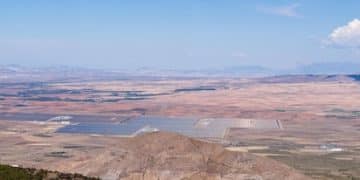
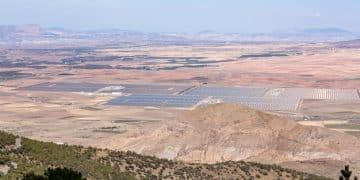
- Large-Scale Solar Farms: Development of significant solar photovoltaic projects in northern Mexico.
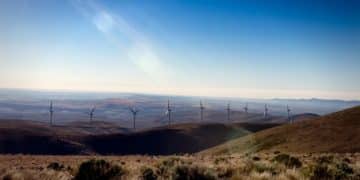
- Wind Energy Expansion: New wind farms being commissioned in areas with high wind potential, particularly on the Isthmus of Tehuantepec.
- Green Hydrogen Pilot Projects: Early-stage exploration and development of green hydrogen production.
Challenges and Opportunities for Foreign Investment
Foreign investment remains a critical component for the growth of the Mexico Energy Sector 2026, yet it faces a mixed bag of challenges and opportunities. Navigating the regulatory landscape is key for international players.
Challenges include evolving legal frameworks, policy uncertainty, and competition from state-owned enterprises. These factors necessitate thorough due diligence and strategic planning for potential investors.
However, significant opportunities exist in areas like renewable energy, energy efficiency, and infrastructure modernization. Mexico’s growing energy demand and strategic geographical location continue to attract global interest in the Mexico Energy Sector 2026.
Navigating Policy Uncertainty and State Control
Policy uncertainty has been a consistent concern for foreign investors, particularly regarding changes in energy policy direction. The government’s emphasis on strengthening state-owned companies, Pemex and CFE, has redefined market dynamics.
This shift requires foreign companies to adapt to new partnership models and regulatory compliance standards. Understanding the nuances of state control and its implications is crucial for successful ventures.
Despite these complexities, many international firms are finding ways to collaborate and contribute to Mexico’s energy development. Their expertise and capital are often indispensable for large-scale projects in the Mexico Energy Sector 2026.
Modernizing Infrastructure and Grid Stability
Modernizing Mexico’s energy infrastructure is a top priority to ensure grid stability and efficient energy distribution. Significant investments are being channeled into upgrading transmission and distribution networks.
The integration of diverse energy sources, particularly renewables, demands a more robust and flexible grid. Projects include smart grid technologies, energy storage solutions, and enhanced cybersecurity measures.
These efforts are vital for supporting the country’s energy transition and meeting future demand. A reliable infrastructure is foundational for the sustainable development of the Mexico Energy Sector 2026.
Technological Innovations for Energy Efficiency
Technological innovations are playing a crucial role in enhancing energy efficiency across various sectors. From industrial processes to residential consumption, new solutions are being implemented to optimize energy use.
These innovations include advanced metering infrastructure, demand-side management programs, and the adoption of energy-efficient appliances and building codes. The goal is to reduce overall energy consumption and waste.
The widespread adoption of these technologies not only contributes to environmental sustainability but also offers economic benefits through reduced operational costs. This focus on efficiency is a key pillar of the Mexico Energy Sector 2026 strategy.
- Smart Grid Implementation: Piloting smart grid projects to improve reliability and efficiency.
- Battery Storage Solutions: Investing in large-scale battery storage to manage intermittent renewable energy.
- Digitalization of Operations: Utilizing AI and IoT for predictive maintenance and optimized energy management.
The Role of State-Owned Enterprises: Pemex and CFE
State-owned enterprises (SOEs), particularly Petróleos Mexicanos (Pemex) and Comisión Federal de Electricidad (CFE), continue to play a dominant role in the Mexico Energy Sector 2026. Their strategic importance is consistently reinforced by government policies.
Pemex focuses on hydrocarbon exploration, production, refining, and distribution, aiming to restore its production capacity and ensure fuel self-sufficiency.
CFE manages electricity generation, transmission, distribution, and commercialization, with a strong emphasis on maintaining grid stability.
The government’s strategy prioritizes these SOEs as pillars of national energy security and sovereignty. Their performance and investment decisions significantly shape the overall energy landscape in Mexico.
Pemex’s Production Goals and Challenges
Pemex has set ambitious production goals for crude oil and natural gas, aiming to reverse years of declining output. These targets are critical for reducing Mexico’s reliance on imported fuels and bolstering national energy independence.
However, Pemex faces significant challenges, including aging infrastructure, substantial debt, and the need for technological upgrades. The company’s ability to meet its goals will largely depend on sustained investment and operational efficiencies.
Efforts are underway to modernize its refineries and explore new reserves, but the path ahead remains complex. The success of Pemex is intrinsically linked to the stability and growth of the broader Mexico Energy Sector 2026.
Community Engagement and Social Impact
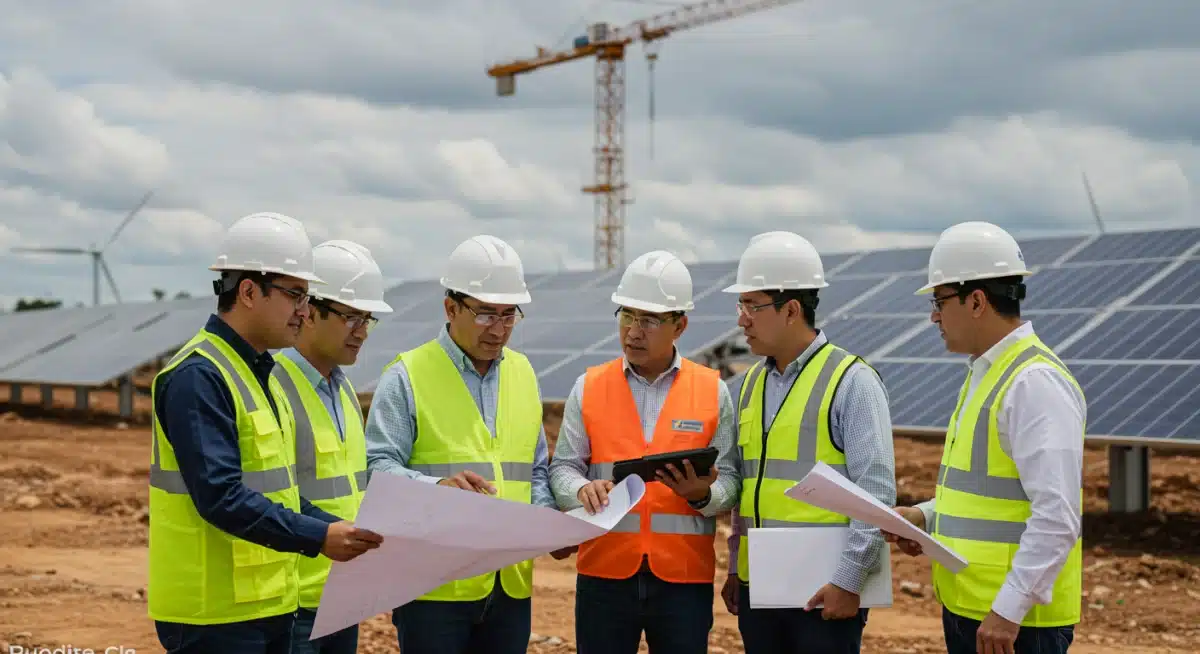
Community engagement and social impact considerations are increasingly vital within the Mexico Energy Sector 2026. Energy projects, especially large-scale ones, often have direct implications for local populations and indigenous communities.
Ensuring fair compensation, respecting land rights, and fostering local economic development are paramount. Companies are now mandated to conduct thorough social impact assessments and engage in meaningful consultations.
Addressing these social aspects effectively is crucial for obtaining social license to operate and preventing conflicts that can delay or derail projects. Sustainable energy development must go hand-in-hand with social equity.
Indigenous Rights and Project Development
The rights of indigenous communities hold particular importance in Mexico, with specific legal frameworks governing consultations and consent for projects on their ancestral lands. These regulations are designed to protect cultural heritage and livelihoods.
Project developers must navigate these complex legal and social landscapes, ensuring transparent communication and equitable benefit-sharing. Failure to do so can lead to significant delays and legal challenges.
Successful projects often involve long-term partnerships with communities, focusing on mutual respect and shared prosperity. This approach is becoming a benchmark for responsible development within the Mexico Energy Sector 2026.
International Cooperation and Regional Integration
International cooperation and regional integration play a significant role in shaping the Mexico Energy Sector 2026. Cross-border energy infrastructure and shared policy objectives with neighboring countries are key aspects.
Collaboration with the United States and Canada, particularly under the USMCA agreement, influences trade, investment, and regulatory harmonization. Mexico’s energy policies are often viewed through this regional lens.
Efforts to integrate energy markets, enhance energy security, and promote sustainable practices benefit from multilateral dialogues and agreements. These partnerships are crucial for Mexico’s strategic energy positioning.
Cross-Border Energy Trade and Infrastructure
Cross-border energy trade, especially with the United States, is a cornerstone of Mexico’s energy supply and demand dynamics. Natural gas imports from the U.S. are essential for Mexico’s electricity generation.
Existing pipelines and transmission lines facilitate this trade, but there is continuous discussion about expanding and modernizing this infrastructure. Ensuring reliable cross-border flows is critical for both economies.
Future developments in this area will likely focus on increasing capacity, improving efficiency, and integrating more renewable energy sources into the regional grid. The resilience of the Mexico Energy Sector 2026 depends heavily on these connections.
Future Outlook and Investment Trends
The future outlook for the Mexico Energy Sector 2026 is characterized by a blend of cautious optimism and strategic adjustment. Investment trends indicate a continued shift towards cleaner energy sources, alongside efforts to optimize traditional ones.
Analysts project sustained growth in renewable energy capacity, driven by both national mandates and global market forces. However, the pace and scale of this transition will be influenced by regulatory stability and investor confidence.
Long-term investment will likely target projects that offer a clear path to profitability and align with Mexico’s energy sovereignty goals. The sector’s evolution will be a testament to its adaptability and resilience.
Emerging Technologies and Market Dynamics
Emerging technologies, such as advanced energy storage, carbon capture, and distributed generation, are poised to reshape market dynamics. These innovations offer solutions to existing challenges and open new investment avenues.
The adoption of these technologies will depend on policy incentives, cost-effectiveness, and the regulatory environment. Mexico has the potential to become a leader in certain niche areas of energy innovation.
Market dynamics will also be influenced by global energy prices, geopolitical shifts, and technological breakthroughs. Stakeholders in the Mexico Energy Sector 2026 must remain agile and forward-thinking to capitalize on these trends.
| Key Point | Brief Description |
|---|---|
| Regulatory Evolution | Ongoing changes in energy policies and frameworks impacting all sector participants. |
| Renewable Push | Increased focus and investment in solar, wind, and other sustainable energy sources. |
| SOE Dominance | Pemex and CFE maintain central roles, influencing market dynamics and investment. |
| Infrastructure Modernization | Investments in grid upgrades and smart technologies for stability and efficiency. |
Frequently Asked Questions About Mexico’s Energy Sector in 2026
Primary regulatory changes include amendments favoring state-owned companies like Pemex and CFE, stricter local content requirements, and adjustments to permitting processes for new energy projects. These shifts aim to reinforce national energy sovereignty and guide sustainable development.
Sustainable growth is promoted through increased investment in renewable energy projects, particularly solar and wind power, alongside initiatives for energy efficiency. The government supports diversification of the energy matrix to reduce reliance on fossil fuels and meet climate targets.
Pemex and CFE remain central to Mexico’s Energy Sector 2026 strategy. Pemex focuses on hydrocarbon production to achieve fuel self-sufficiency, while CFE manages the national electricity system. Both are critical for energy security and infrastructure stability.
Foreign investors face challenges such as policy uncertainty, increased state control over key energy assets, and evolving regulatory frameworks. Navigating these complexities requires strategic partnerships and a deep understanding of local market dynamics and government priorities.
The future outlook points to sustained growth in renewables and infrastructure modernization. Key investment trends include smart grid technologies, energy storage solutions, and projects aligned with national energy sovereignty. Long-term success depends on regulatory stability and adaptability to emerging technologies.
Looking Ahead
The ongoing developments within the Mexico Energy Sector 2026 underscore a period of significant transition and strategic realignment.
Stakeholders must remain vigilant, adapting to regulatory shifts while capitalizing on the opportunities presented by sustainable growth initiatives and technological advancements.
The trajectory of Mexico’s energy future will largely depend on a balanced approach that integrates national interests with global energy demands and environmental responsibilities.
Continuous monitoring of policy implementation and investment trends will be crucial for understanding the sector’s evolution.