Mexico’s Infrastructure Development: 2028 Projects & Updates
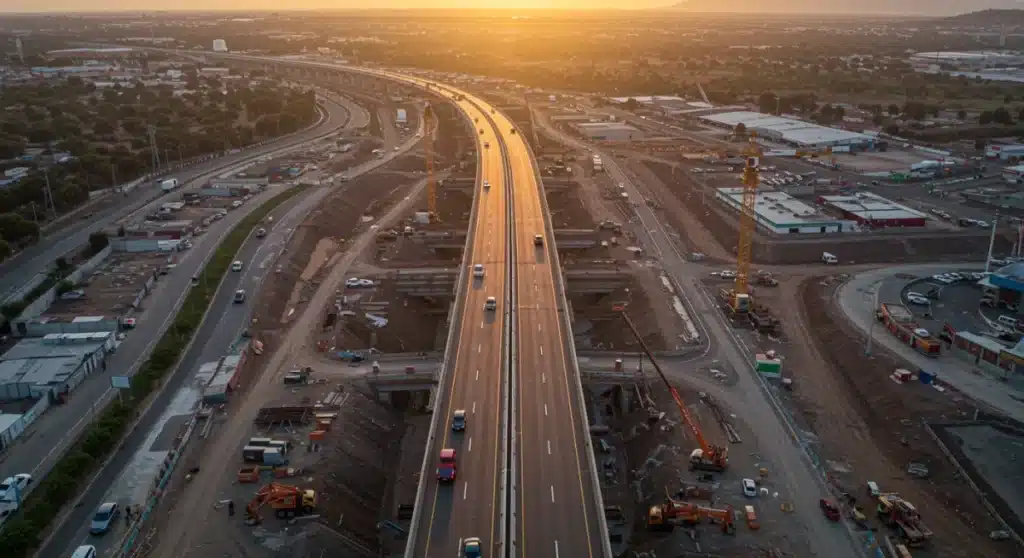
The world is watching as a new era of connectivity takes shape across the southern border. Mexico’s Infrastructure Development is currently hitting a critical stride, with multi-trillion peso investments transforming the country into a global logistics powerhouse.
Strategic transport networks and modernized energy hubs are no longer just blueprints but active construction sites. These massive civil engineering undertakings aim to rewire regional trade, promising to reshape how goods and people move by the end of the decade.
Staying informed on these structural upgrades is essential for investors and industry observers alike. This update breaks down the latest shifts in project timelines and regulatory milestones, ensuring you remain ahead of the curve in this rapidly evolving landscape.
Overview of Mexico’s Infrastructure Development: Key Projects and Their Expected Completion by 2028
Mexico is currently undergoing a significant transformation in its infrastructure landscape, with numerous projects aimed at boosting economic growth and improving connectivity.
Advertisements
The government has prioritized several key initiatives, focusing on transportation, energy, and urban development, all slated for completion or substantial progress by 2028.
These developments are crucial for Mexico’s competitiveness on the global stage, attracting foreign investment and creating jobs. The ambitious scope of these projects underscores a commitment to modernizing the nation’s foundational systems.
The current administration’s focus on strategic infrastructure is a cornerstone of its economic policy, aiming to solidify Mexico’s position as a regional leader. Understanding the progress and challenges of these projects is vital for stakeholders across various sectors.
Major Transportation Hubs and Connectivity Enhancements
Significant investments are channeled into expanding and upgrading Mexico’s transportation networks, critical for both domestic and international trade. These projects aim to reduce transit times, improve logistics, and enhance overall operational efficiency.
The initiatives include new highways, modernization of existing road infrastructure, and expansion of port and airport capacities. These improvements directly support supply chains and tourism, key drivers of the Mexican economy.
Enhanced connectivity is expected to facilitate easier movement of goods and people, fostering regional development and strengthening economic ties with neighboring countries. The projected completion dates for many of these projects fall within the 2028 timeframe.
Felipe Ángeles International Airport (AIFA) Expansion
The Felipe Ángeles International Airport (AIFA), already operational, continues to see further development in its cargo and passenger handling capacities.
Recent updates indicate ongoing efforts to integrate it more seamlessly into the broader Mexico City metropolitan transportation system.
Future phases include additional terminal expansions and dedicated freight facilities, aiming to alleviate congestion at Mexico City International Airport (AICM). These enhancements are designed to be fully functional by 2028, significantly boosting air transport logistics.
Maya Train Project Progress and Challenges
The Maya Train (Tren Maya) project, a massive railway endeavor across the Yucatán Peninsula, remains a flagship initiative with significant portions expected to be operational by late 2024 and full completion targeted for 2025-2026.
However, its scale presents ongoing logistical and environmental challenges.
Recent reports highlight efforts to mitigate environmental impacts and address archaeological findings along the route, balancing development with heritage preservation.
The project’s economic benefits, particularly for tourism and regional development, are frequently emphasized by authorities.
- Route Optimization: Adjustments in certain sections to navigate sensitive ecological zones.
- Station Development: Progress on numerous stations designed to integrate local culture and services.
- Environmental Mitigation: Implementation of reforestation programs and wildlife crossings.
Energy Sector Modernization and Renewable Initiatives
Mexico’s energy sector is undergoing a strategic overhaul, focusing on strengthening energy security and transitioning towards cleaner sources. The national energy grid is being upgraded to support new generation capacities and improve distribution efficiency.
Investments in both traditional and renewable energy projects are critical to meeting the nation’s growing demand while adhering to international environmental commitments. The 2028 horizon includes significant milestones in this sector.
The government’s energy policy aims to ensure stable and affordable energy for industries and households, reducing reliance on external sources. This includes major projects in refining and electricity generation.
Dos Bocas Refinery and Energy Self-Sufficiency
The Dos Bocas (Olmeca) Refinery is a cornerstone of Mexico’s push for energy self-sufficiency, with its operational phases gradually coming online.
The full integration of its processing units is a key objective before 2028, significantly reducing gasoline and diesel imports.
While initial operations have commenced, the refinery’s full production capacity is anticipated to be reached over the coming years. This project is expected to stabilize fuel prices domestically and enhance national energy security.
Renewable Energy Expansion Efforts
Despite a focus on traditional energy, Mexico continues to explore and develop its renewable energy potential, particularly in solar and wind power. Several large-scale renewable projects are under development, contributing to a more diversified energy mix.
These initiatives often involve private sector participation and international partnerships, aiming to increase the share of clean energy in the national grid. The long-term vision includes substantial growth in renewable capacity by 2028 and beyond.
- Solar Farms: New solar energy parks in northern states, leveraging high solar irradiance.
- Wind Power Projects: Expansion of wind farms, particularly in coastal regions with consistent wind resources.
- Grid Modernization: Upgrades to transmission lines to integrate intermittent renewable sources effectively.
Urban Development and Social Infrastructure Projects
Beyond large-scale national projects, significant efforts are directed towards urban development and social infrastructure to improve the quality of life for citizens. These initiatives include housing, water management, and public spaces.
Many urban projects are designed to address pressing social needs, such as access to clean water, adequate housing, and efficient public services. These are fundamental to inclusive growth and social well-being.
Local and federal governments are collaborating on various schemes to revitalize urban centers and develop new residential areas. The expected completion of several key urban projects by 2028 will have a direct impact on millions of Mexicans.
Water Management and Supply Initiatives
Access to clean and reliable water remains a critical challenge in many regions of Mexico. New water treatment plants, desalination projects, and improved distribution networks are being developed to address this scarcity.
Significant investments are being made in infrastructure to ensure sustainable water supply, especially in arid zones and large metropolitan areas.
These projects are vital for public health and economic stability, with many expected to show substantial progress by 2028.
Housing Programs and Urban Regeneration
Government-backed housing programs and urban regeneration initiatives aim to provide affordable housing and improve existing urban environments. These projects often involve public-private partnerships to maximize impact.
Efforts include the construction of new residential units, renovation of dilapidated areas, and development of green spaces. Urban regeneration is also focusing on improving public transport and local amenities.
Challenges and Opportunities in Project Execution
The execution of such ambitious infrastructure projects is not without its challenges, including funding, regulatory hurdles, and social and environmental considerations. Effective project management and stakeholder engagement are paramount.
However, these challenges also present opportunities for innovation in construction techniques, financing models, and sustainable development practices. Mexico aims to leverage these opportunities to build resilient and forward-looking infrastructure.
Addressing these complexities requires coordinated efforts from government agencies, private companies, and local communities to ensure projects are completed on time and deliver their intended benefits.
The successful delivery of Mexico Infrastructure Development 2028 projects will depend on overcoming these hurdles.
Funding Mechanisms and Public-Private Partnerships
Securing adequate funding is crucial for the timely completion of major infrastructure projects. Mexico increasingly relies on a mix of public funds, international loans, and public-private partnerships (PPPs) to finance these initiatives.
PPPs are particularly vital for sharing risks and leveraging private sector expertise and capital. These collaborations are becoming more sophisticated, attracting both domestic and foreign investors keen on participating in Mexico’s growth story.
Regulatory Framework and Environmental Compliance
A robust and clear regulatory framework is essential for attracting investment and ensuring projects adhere to national and international standards. Environmental compliance is a growing concern, with projects facing increased scrutiny.
Authorities are working to streamline permitting processes while maintaining strict environmental safeguards. This balance is critical for the long-term sustainability and public acceptance of new infrastructure developments.
- Streamlined Approvals: Efforts to reduce bureaucratic delays in project initiation.
- Environmental Impact Assessments: Mandatory and thorough assessments for all major projects.
- Community Engagement: Protocols for consulting and involving local communities in planning and execution.
Economic Impact and Regional Development
The cumulative effect of Mexico’s Infrastructure Development is expected to be a significant boost to the Mexican economy. These projects generate employment, stimulate local economies, and enhance the country’s overall productive capacity.
Regional development is a key objective, with many projects strategically located to foster growth in previously underserved areas. This includes creating new industrial corridors and promoting tourism in diverse regions.
The long-term economic benefits extend beyond the construction phase, contributing to sustained growth through improved logistics, energy security, and enhanced quality of life.
The impact of Mexico Infrastructure Development 2028 will reshape the economic landscape.
Job Creation and Local Economic Stimulation
Infrastructure projects are significant drivers of job creation, both directly in construction and indirectly in related industries. Local economies benefit from increased demand for materials, services, and labor.
The influx of investment and activity often leads to improved local services and business opportunities, fostering a virtuous cycle of growth. This is a critical component of the broader strategy for Mexico Infrastructure Development 2028.
Attracting Foreign Direct Investment (FDI)
A modernized and efficient infrastructure network is a powerful magnet for foreign direct investment. Companies are more likely to invest in a country with reliable transportation, energy, and communication systems.
The ongoing infrastructure developments enhance Mexico’s appeal as a manufacturing and logistics hub, particularly given its proximity to the United States market. These investments are crucial for Mexico’s long-term economic prosperity.
Future Outlook and Strategic Vision Beyond 2028
While 2028 marks a significant milestone for many ongoing projects, Mexico’s infrastructure development is a continuous process with a long-term strategic vision. Planning for future phases and new initiatives is already underway.
The focus beyond 2028 will likely involve further integration of smart technologies, climate-resilient infrastructure, and continued investment in human capital. This forward-looking approach ensures sustained growth and adaptability.
Maintaining momentum and adapting to evolving global trends will be key to Mexico’s continued success in infrastructure development. The foundation laid by Mexico Infrastructure Development 2028 will be critical for future endeavors.
Technological Integration and Smart Infrastructure
The next wave of infrastructure development in Mexico will increasingly incorporate smart technologies, such as IoT sensors, AI-driven management systems, and advanced data analytics. These innovations aim to improve efficiency, safety, and sustainability.
Smart infrastructure solutions can optimize traffic flow, manage energy consumption more effectively, and enhance the resilience of urban systems. This technological leap represents a key area of future investment.
Climate Resilience and Sustainable Development
Building climate-resilient infrastructure is becoming an urgent priority for Mexico, given its vulnerability to extreme weather events. Future projects will increasingly integrate sustainable design principles and materials.
This includes developing infrastructure that can withstand natural disasters, promoting green building practices, and investing in renewable energy sources. Sustainable development is central to Mexico’s long-term infrastructure strategy.
| Key Project | Expected Completion/Status |
|---|---|
| Felipe Ángeles International Airport (AIFA) | Operational, continued expansion by 2028. |
| Maya Train (Tren Maya) | Phased opening by late 2024, full completion by 2026. |
| Dos Bocas Refinery | Gradually coming online, full integration before 2028. |
| Renewable Energy Projects | Ongoing expansion, significant growth by 2028. |
Frequently Asked Questions about Mexico’s Infrastructure Development
The primary goals include boosting economic growth, enhancing national connectivity, improving energy security, and fostering regional development. These projects aim to modernize Mexico’s foundational systems to support a competitive economy and improve citizens’ quality of life by 2028.
The Maya Train is expected to significantly boost tourism and economic development across the Yucatán Peninsula. It will connect major archaeological sites and tourist destinations, facilitating easier travel and creating new opportunities for local communities, with full completion by 2026.
Public-private partnerships (PPPs) are crucial for funding and executing many of Mexico’s major infrastructure projects. They help share risks, leverage private sector expertise, and mobilize capital, attracting both domestic and international investors to ensure timely completion by 2028.
Challenges include securing adequate funding, navigating complex regulatory frameworks, addressing social and environmental concerns, and ensuring efficient project management. Overcoming these requires coordinated efforts from all stakeholders to achieve successful completion by 2028.
Mexico is implementing environmental impact assessments, reforestation programs, and wildlife crossings, particularly for projects like the Maya Train. There’s also a growing focus on developing renewable energy sources and building climate-resilient infrastructure to ensure sustainable development beyond 2028.
Perspectives
The ongoing progress in Mexico’s Infrastructure Development underscores a strategic national effort to modernize and expand its foundational systems.
Stakeholders should closely monitor project timelines, especially for critical initiatives like the Maya Train and AIFA expansions, as these will significantly reshape regional economies and national logistics.
Future announcements regarding funding and regulatory adjustments will provide further clarity on the trajectory of these ambitious programs. The impact of Mexico Infrastructure Development 2028 will be felt for decades.