Mexico Cybersecurity 2026: Government Initiatives & Business Protection
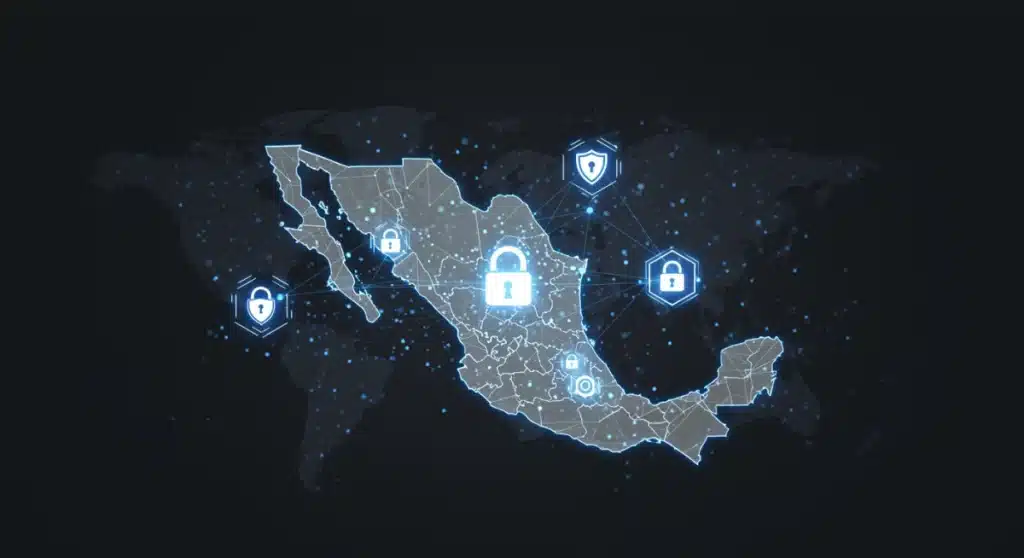
Latest developments on Mexico Cybersecurity a major shift toward centralized national defence strategies. The government has launched a National Cybersecurity Plan 2025–2030 to unify response systems, coordinate over 60 incident-response teams, and strengthen protection of critical infrastructure.
This matters because Mexico faces rising cyber threats alongside rapid digital growth, particularly in sectors like finance, energy, and manufacturing. New frameworks aim to improve threat detection, incident response, and public-private collaboration, although gaps remain due to the absence of a fully unified cybersecurity law.
Looking ahead, businesses should monitor regulatory updates, including potential cybersecurity legislation, reporting requirements, and compliance standards aligned with global frameworks. Continued investment in training, infrastructure, and cross-sector coordination will be critical to strengthening resilience through 2026.
Advertisements
Understanding the Current Landscape of Mexico Cybersecurity 2026
The digital threat landscape in Mexico continues to evolve rapidly, necessitating robust and adaptive responses from both government and private sectors. Recent data indicates a significant increase in cyberattacks targeting critical infrastructure and financial institutions across the nation.
This escalating threat underscores the urgency for comprehensive strategies and collaborative efforts to safeguard digital assets and ensure national security. The government’s proactive stance aims to mitigate risks and build a resilient cybersecurity ecosystem for the coming years.
Stakeholders must recognize the critical importance of these developments, as they directly impact economic stability, public trust, and the operational continuity of essential services within Mexico.
Government Initiatives and Policy Frameworks for Digital Security

The Mexican government has unveiled a series of ambitious initiatives designed to bolster the nation’s cyber defenses leading up to 2026. These efforts include the development of a national cybersecurity strategy and the allocation of significant resources to enhance digital infrastructure.
Key policy frameworks are currently under review, aiming to establish clear guidelines for data protection, incident response, and international cooperation. These legislative actions are foundational to creating a secure digital environment for all citizens and businesses operating in Mexico.
These governmental actions are critical steps towards establishing a unified and effective approach to combatting cyber threats, reflecting a commitment to safeguarding national interests in the digital realm.
Legislative advancements and regulatory bodies
New legislative proposals are addressing gaps in existing laws, particularly concerning data privacy and the prosecution of cybercrimes.
The objective is to create a legal framework that is both deterrent and effective in responding to sophisticated cyberattacks.
Specialized regulatory bodies are being empowered with greater authority and resources to enforce compliance and oversee the implementation of cybersecurity standards. This institutional strengthening is vital for the long-term success of Mexico Cybersecurity 2026.
- Establishment of a National Cybersecurity Agency with enhanced powers.
- Mandatory reporting requirements for critical infrastructure breaches.
- Increased penalties for cybercriminals and data privacy violations.
Boosting Business Protections Against Cyber Threats
Mexican businesses, particularly Small and Medium-sized Enterprises (SMEs), face considerable challenges in protecting their digital assets from an array of cyber threats. Government initiatives are now focusing on providing resources and training to help these entities build stronger defenses.
Programs are being launched to offer cybersecurity audits, best practice guidelines, and subsidized training for IT professionals within the private sector. The goal is to elevate the overall security posture of Mexican enterprises, making them less vulnerable to attacks.
These protective measures are essential for maintaining economic stability and fostering an environment where businesses can innovate and grow without the constant fear of cyber exploitation. Ensuring robust business protection is a cornerstone of Mexico Cybersecurity 2026.
Public-private partnerships and awareness campaigns
Collaborative efforts between government agencies and private industry leaders are forming the backbone of new security strategies. These partnerships aim to share threat intelligence, develop common standards, and coordinate responses to major cyber incidents.
Nationwide awareness campaigns are also underway to educate employees and the general public about common cyber risks, such as phishing and malware. Empowering individuals with knowledge is a crucial component of a holistic cybersecurity defense.
- Joint task forces for critical sector protection.
- Information sharing platforms for real-time threat data.
- Educational workshops and online resources for businesses.
Recent Updates and Their Immediate Impact on Mexico Cybersecurity 2026
Recent months have seen several key updates regarding the implementation of the Mexico Cybersecurity 2026 roadmap. These include the official launch of new inter-agency coordination protocols and the announcement of specific funding allocations for cybersecurity infrastructure projects.
These developments signify a tangible progression from policy conception to practical execution, demonstrating the government’s commitment to its long-term cybersecurity objectives. Businesses and citizens are beginning to see the direct effects of these strategies.
Furthermore, international partnerships have been solidified, enhancing Mexico’s capacity to respond to global cyber threats through shared expertise and technological resources.
Challenges and Opportunities in the Evolving Digital Landscape
Despite significant progress, Mexico still faces considerable challenges in achieving a fully secure digital environment by 2026. These include a shortage of skilled cybersecurity professionals and the constant evolution of sophisticated cyberattack techniques.
However, these challenges also present unique opportunities for innovation and growth within the cybersecurity sector. Investment in education and technology development can transform Mexico into a regional leader in digital security solutions.
Addressing these hurdles effectively will require sustained commitment and agile adaptation from all stakeholders involved in securing Mexico’s digital future.
Bridging the skills gap and fostering innovation
Efforts are intensifying to bridge the existing cybersecurity skills gap through specialized educational programs and vocational training initiatives. Universities and technical institutes are partnering with industry to develop curricula that meet current market demands.
Moreover, government incentives are being explored to encourage research and development in cybersecurity technologies within Mexico. Fostering a vibrant innovation ecosystem is crucial for developing homegrown solutions tailored to the national context.
- Scholarship programs for cybersecurity students.
- Incubators for security tech startups.
- International collaborations for knowledge transfer.
International Cooperation and Global Standards Adoption
Mexico’s approach to cybersecurity is increasingly aligned with international best practices and global standards. Collaborative agreements with countries renowned for their advanced cyber defenses are crucial for strengthening national capabilities.
Participation in international forums and organizations dedicated to cybersecurity allows Mexico to contribute to and benefit from global threat intelligence and coordinated response efforts. This global perspective is integral to the comprehensive framework of Mexico Cybersecurity 2026.
Adopting globally recognized standards ensures that Mexico’s digital infrastructure is interoperable and resilient against a wide spectrum of international cyber threats.
Harmonizing national efforts with global best practices
The Mexican government is actively working to harmonize its national cybersecurity policies with internationally accepted frameworks, such as those from NIST and ISO. This ensures a consistent and high level of security across all sectors.
These efforts include training programs for government and private sector professionals on implementing global security standards. The goal is to elevate Mexico’s cybersecurity posture to a world-class level.
- Participation in INTERPOL and OAS cybersecurity initiatives.
- Adoption of ISO 27001 for information security management.
- Bilateral agreements for cyber threat intelligence sharing.

Future Outlook: Projections for Mexico Cybersecurity 2026
Looking ahead to 2026, projections indicate a more integrated and fortified cybersecurity posture for Mexico. Continued investment in technology, human capital, and legislative reforms is expected to yield a significant reduction in cyber vulnerabilities.
The emphasis will remain on proactive defense mechanisms, sophisticated threat intelligence, and rapid incident response capabilities. The vision for Mexico Cybersecurity 2026 is one of resilience and digital sovereignty.
These efforts are not just about protecting data; they are about securing the nation’s future in an increasingly digital world, ensuring continuous progress and stability.
Preparing for Evolving Cyber Threats: A Continuous Effort
The nature of cyber threats is dynamic, requiring continuous adaptation and innovation in defense strategies. Mexico’s cybersecurity framework is designed to be agile, allowing for rapid adjustments to emerging risks and technological advancements.
Ongoing research and development into artificial intelligence and machine learning for threat detection are critical components of this adaptive approach. Staying ahead of attackers demands constant vigilance and investment.
This commitment to continuous improvement ensures that the initiatives undertaken for Mexico Cybersecurity 2026 remain relevant and effective beyond the immediate timeframe.
| Key Aspect | Description |
|---|---|
| Government Strategy | National plan for digital defense and infrastructure hardening by 2026. |
| Business Protection | Initiatives to secure private sector assets, including SMEs, through training and resources. |
| Recent Updates | New protocols, funding allocations, and international partnerships launched. |
| Future Outlook | Projections for a more resilient and integrated cybersecurity ecosystem. |
Frequently Asked Questions about Mexico Cybersecurity 2026
The primary goals include strengthening national digital infrastructure, enhancing protections for critical sectors, and fostering a culture of cybersecurity awareness. These efforts aim to reduce vulnerabilities and improve incident response capabilities across the nation by 2026.
Businesses will benefit from increased government support through training programs, standardized security guidelines, and improved threat intelligence sharing. These measures aim to reduce their exposure to cyberattacks and ensure operational continuity, especially for SMEs.
International cooperation is crucial for sharing expertise, collaborating on threat intelligence, and adopting global best practices. Partnerships with other nations enhance Mexico’s capacity to combat sophisticated transnational cyber threats effectively and align with global standards.
Yes, significant legislative advancements are underway to address data privacy, cybercrime prosecution, and mandatory breach reporting. These changes aim to create a more robust legal framework that supports and enforces the national cybersecurity strategy.
Key challenges include a shortage of skilled cybersecurity professionals, the rapid evolution of cyber threats, and ensuring consistent implementation across diverse sectors. Addressing these requires continuous investment in education, technology, and adaptive strategies.
Looking Ahead
The ongoing developments surrounding Mexico Cybersecurity 2026 underscore a national commitment to securing its digital future.
Stakeholders must remain informed about policy shifts, technological advancements, and collaborative opportunities.
The effectiveness of these initiatives hinges on continuous adaptation and robust public-private partnerships, shaping a more resilient digital landscape for Mexico.