Mexico’s Anti-Corruption Measures: 6-Month Compliance Outlook
Mexico’s Evolving Anti-Corruption Landscape
Mexico’s commitment to combating corruption has intensified, marked by significant legislative and institutional reforms. These changes aim to enhance transparency, accountability, and the rule of law across all sectors. The current administration has made anti-corruption a cornerstone of its policy agenda, leading to a dynamic and often challenging environment for compliance.
The past six months have seen the implementation of new regulations and the strengthening of existing frameworks. These measures reflect a concerted effort to address long-standing issues of graft and illicit practices. Businesses operating within Mexico, both domestic and international, are directly affected by these evolving standards.
Advertisements
Navigating this complex landscape requires a clear understanding of the legal requirements and potential enforcement actions. Proactive engagement with compliance protocols is no longer optional but a critical necessity for mitigating risks and ensuring operational continuity. This outlook provides essential insights into these developments.
Key Legislative Changes and Their Immediate Impact
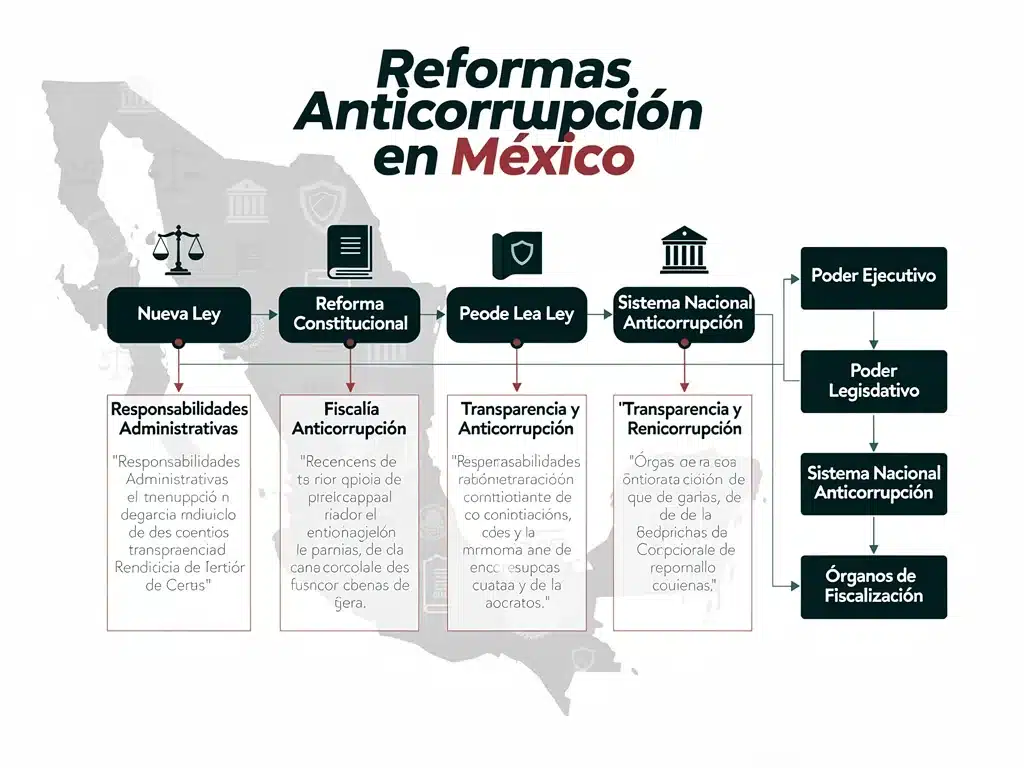
Recent legislative amendments have introduced stricter penalties for corrupt practices and expanded the scope of entities subject to anti-corruption scrutiny. These changes include updates to the General Law of Administrative Responsibilities and modifications to procurement laws. The objective is to close loopholes and deter illicit activities more effectively.
The immediate impact of these changes is already being felt across various industries, particularly those frequently engaging with government contracts. Companies are re-evaluating their internal controls and risk management frameworks to align with the heightened expectations. The emphasis is now firmly on prevention and robust internal governance.
Furthermore, the establishment of specialized anti-corruption courts and prosecutors signals a more aggressive enforcement posture. This institutional strengthening means that investigations and prosecutions are likely to become more frequent and efficient. Businesses must therefore ensure their compliance programs are not merely theoretical but practically enforceable.
Strengthened Enforcement Mechanisms
The National Anti-Corruption System (SNA) continues to be a central pillar in Mexico’s fight against corruption, with enhanced coordination among its various components.
This includes the Superior Audit Office of the Federation (ASF) and the Federal Anti-Corruption Prosecutor’s Office. Their collaborative efforts are designed to ensure comprehensive oversight and accountability.
Increased budgetary allocations and personnel training for these bodies underscore the government’s resolve to make the SNA fully operational and impactful.
This translates into greater capacity for investigations, audits, and sanctions. Companies should anticipate more rigorous due diligence requirements and potential audits.
- Expanded powers for investigative bodies, including greater access to financial records.
- Introduction of new mechanisms for reporting corruption, offering better protection for whistleblowers.
- Increased inter-agency cooperation to tackle complex corruption networks effectively.
Compliance Challenges for Businesses
For businesses operating in Mexico, the new anti-corruption measures present significant compliance challenges. These range from updating internal policies and procedures to conducting thorough due diligence on third-party relationships. The landscape demands a proactive and comprehensive approach to risk management.
One primary challenge lies in ensuring that all employees, from top management to entry-level staff, are fully aware of and adhere to the updated regulations. This necessitates ongoing training and clear communication channels regarding ethical conduct. A culture of integrity must permeate the entire organization to prevent infractions.
Another critical area is the management of supply chains and partnerships. Companies are now held increasingly responsible for the actions of their associates, making robust third-party due diligence indispensable. Failure to vet partners adequately can result in severe penalties, tarnishing reputation and incurring financial losses.
Navigating Third-Party Risks
Third-party risks remain a significant concern under the new anti-corruption framework. Businesses must implement stringent vetting processes for agents, consultants, distributors, and joint venture partners.
This includes comprehensive background checks, integrity assessments, and clear contractual clauses related to anti-corruption compliance.
The complexity of Mexico’s business environment, with its diverse local customs and regulatory nuances, adds layers of difficulty to third-party risk management.
Companies must develop localized strategies that are sensitive to regional specificities while upholding global anti-corruption standards. This often requires expert local counsel.
- Mandatory integrity clauses in all third-party contracts.
- Regular audits and monitoring of third-party activities.
- Clear policies for gifts, hospitality, and political contributions when engaging with external parties.
Sector-Specific Impacts and Adaptations
While the new anti-corruption measures affect all sectors, some industries face particularly intense scrutiny due to their historical exposure to corruption risks. These include infrastructure, energy, healthcare, and public procurement. Companies in these sectors must adapt quickly to the heightened regulatory environment.
In the energy sector, for instance, procurement processes for major projects are now subject to more rigorous oversight. This demands greater transparency in bidding and contract execution, reducing opportunities for illicit payments. Firms must demonstrate clear, auditable records of all transactions and interactions with public officials.
Healthcare providers and pharmaceutical companies also face increased pressure to ensure ethical interactions with government bodies and medical professionals. Regulations governing gifts, sponsorships, and clinical trials are being enforced more strictly. Comprehensive compliance programs are essential to avoid potential legal repercussions and reputational damage.
Adapting to Digital Compliance Tools
The push for greater transparency is accelerating the adoption of digital compliance tools. Technology offers solutions for streamlining due diligence, monitoring transactions, and managing whistleblower hotlines.
These tools can significantly enhance a company’s ability to adhere to the new anti-corruption measures efficiently.
Implementing AI-driven analytics for anomaly detection in financial transactions can help identify potential red flags before they escalate into major issues.
Cloud-based platforms facilitate secure document management and audit trails, crucial for demonstrating compliance during investigations. These digital solutions are becoming indispensable.
- Adoption of e-procurement systems to increase transparency in government contracting.
- Use of blockchain technology for secure and immutable record-keeping in sensitive transactions.
- Integration of data analytics for proactive identification of compliance risks.
The Role of Corporate Governance and Ethics
Effective corporate governance is paramount in successfully navigating Mexico’s new anti-corruption landscape. Strong ethical leadership from the board of directors and senior management sets the tone for the entire organization. A robust governance framework ensures that anti-corruption policies are not just written but actively enforced.
Companies are increasingly investing in independent ethics and compliance committees to oversee their anti-corruption programs. These committees provide an impartial review of policies and practices, ensuring they align with both local regulations and international best practices. Their independence lends credibility to the company’s commitment to integrity.
Moreover, fostering a culture of ethics where employees feel empowered to report concerns without fear of retaliation is crucial. Anonymous reporting channels and clear internal investigation procedures build trust and help uncover potential misconduct early. This proactive approach is a hallmark of effective corporate governance.
Building a Culture of Integrity
Beyond policies and procedures, cultivating a strong culture of integrity is fundamental to long-term compliance with anti-corruption measures.
This involves embedding ethical values into the company’s DNA, from hiring practices to performance evaluations. Employees who understand and embrace these values are less likely to engage in corrupt behavior.
Regular communication from leadership emphasizing the importance of ethical conduct reinforces these values.
Case studies, workshops, and interactive training sessions can help employees understand the practical implications of anti-corruption laws in their daily work. This continuous reinforcement is vital.
- Regular mandatory ethics training for all employees, tailored to their roles and responsibilities.
- Clear codes of conduct that are easily accessible and understood by everyone.
- Leadership commitment demonstrated through consistent ethical decision-making and accountability.
International Cooperation and Global Standards
Mexico’s anti-corruption efforts are also influenced by international cooperation and global standards. The country is a signatory to several international conventions, such as the UN Convention Against Corruption (UNCAC) and the OECD Anti-Bribery Convention. Adherence to these global norms shapes domestic policy and enforcement.
International pressure and collaboration with bodies like the Financial Action Task Force (FATF) continue to drive reforms aimed at combating money laundering and terrorist financing, often intertwined with corruption. This global context means that Mexico’s anti-corruption measures are not developed in isolation but are part of a broader international movement.
For multinational corporations, aligning their global compliance programs with Mexico’s specific requirements is crucial. This often involves adapting existing frameworks to local nuances while maintaining a consistent global standard of integrity. Understanding this interplay between local and international standards is key for effective Anti-Corruption.
Harmonizing Global and Local Compliance
Multinational companies face the intricate task of harmonizing their global anti-corruption policies with the specific demands of Mexico’s legal framework.
This often requires a granular understanding of local statutes and cultural practices to ensure that compliance efforts are both effective and culturally appropriate. A one-size-fits-all approach is rarely sufficient.
Engaging with local legal counsel and compliance experts is invaluable for tailoring global policies to the Mexican context.
These experts can provide insights into the specific risks and challenges that might not be apparent from a purely international perspective. This localized expertise is critical for successful implementation of Anti-Corruption.
- Implementing a global anti-corruption policy that allows for local adaptation based on specific legal requirements.
- Conducting regular comparative analyses between global standards and Mexican regulations to identify gaps.
- Participating in international compliance forums to stay abreast of best practices and emerging trends.
Future Outlook and Emerging Trends

Looking ahead, the next six months will likely bring further refinements and increased enforcement of Mexico’s anti-corruption measures. The government’s continued focus on transparency and accountability suggests that the regulatory environment will only become more stringent. Businesses should anticipate ongoing evolution in this critical area.
Emerging trends include a greater emphasis on data privacy in anti-corruption investigations and the potential for increased cross-border collaboration in prosecuting international bribery schemes. The digital transformation of compliance is also expected to accelerate, with more sophisticated tools becoming available to both regulators and businesses. This continuous evolution shapes the Anti-Corruption.
Companies that proactively embrace these trends and continuously adapt their compliance programs will be best positioned for success. Those that lag behind risk significant legal, financial, and reputational consequences. Staying informed and agile is crucial for navigating the future of anti-corruption in Mexico.
Anticipated Regulatory Developments
The coming months are expected to witness further legislative discussions and potential amendments aimed at solidifying the anti-corruption framework.
These might include clearer guidelines on corporate liability and expanded protections for whistleblowers, signaling a continued tightening of regulations. Businesses must remain vigilant to these potential shifts.
There is also a possibility of new sector-specific regulations being introduced, particularly in areas identified as high-risk for corruption.
Companies should monitor official announcements and engage with industry associations to stay informed about these targeted measures. Proactive engagement can help shape future policies and ensure smoother transitions.
- Potential for new laws addressing specific forms of corruption, such as influence peddling or illicit enrichment.
- Increased focus on beneficial ownership transparency to prevent shell companies from concealing corrupt activities.
- Development of more standardized reporting requirements for anti-corruption compliance.
| Key Point | Brief Description |
|---|---|
| Legislative Reforms | Stricter penalties and expanded scope for anti-corruption laws. |
| Enforcement Outlook | Aggressive posture with specialized courts and increased investigations. |
| Business Challenges | Need for updated internal policies and robust third-party due diligence. |
| Future Trends | Increased digital compliance, data privacy focus, and cross-border cooperation. |
Frequently Asked Questions on Mexico Anti-Corruption Compliance
Recent changes include stricter penalties under the General Law of Administrative Responsibilities and expanded oversight in public procurement. These reforms aim to enhance transparency and hold both public officials and private entities accountable for corrupt practices, ensuring a more robust legal framework.
Foreign companies must align their global compliance programs with Mexico’s specific regulations, particularly regarding third-party due diligence and interactions with government officials. Increased enforcement means a higher risk of penalties for non-compliance, necessitating a proactive and localized compliance strategy.
Businesses should prioritize updating internal policies, conducting comprehensive third-party due diligence, and implementing continuous employee training. Fostering a strong ethical culture and utilizing digital compliance tools are also crucial for effective risk mitigation and adherence to new anti-corruption measures.
Yes, sectors such as infrastructure, energy, healthcare, and public procurement face heightened scrutiny due to historical corruption risks. Companies in these areas must implement more rigorous compliance programs and ensure transparent operations to meet the increased regulatory expectations and avoid sanctions.
The long-term outlook suggests a sustained commitment to strengthening anti-corruption measures, with continuous legislative evolution and increased enforcement. Businesses should anticipate ongoing reforms and a growing emphasis on digital compliance and international cooperation, requiring constant adaptation and vigilance.
What Happens Now
The current phase of Anti-Corruption signals a critical period for both public and private sectors.
The sustained governmental push for transparency demands vigilant adaptation from all stakeholders. Companies must not only understand the letter of the law but also embrace its spirit, integrating ethical conduct into their core operations.
What comes next involves continued legislative fine-tuning, intensified enforcement, and a growing reliance on technology to track and prevent corruption.
Businesses should view this as an ongoing process, regularly reviewing and updating their compliance frameworks to remain aligned with national and international standards. The commitment to a corruption-free Mexico is a long-term endeavor, requiring consistent effort and proactive engagement.