Analyzing the Mexican Peso’s 5% Fluctuation in the Last 3 Months: What It Means for Imports and Exports
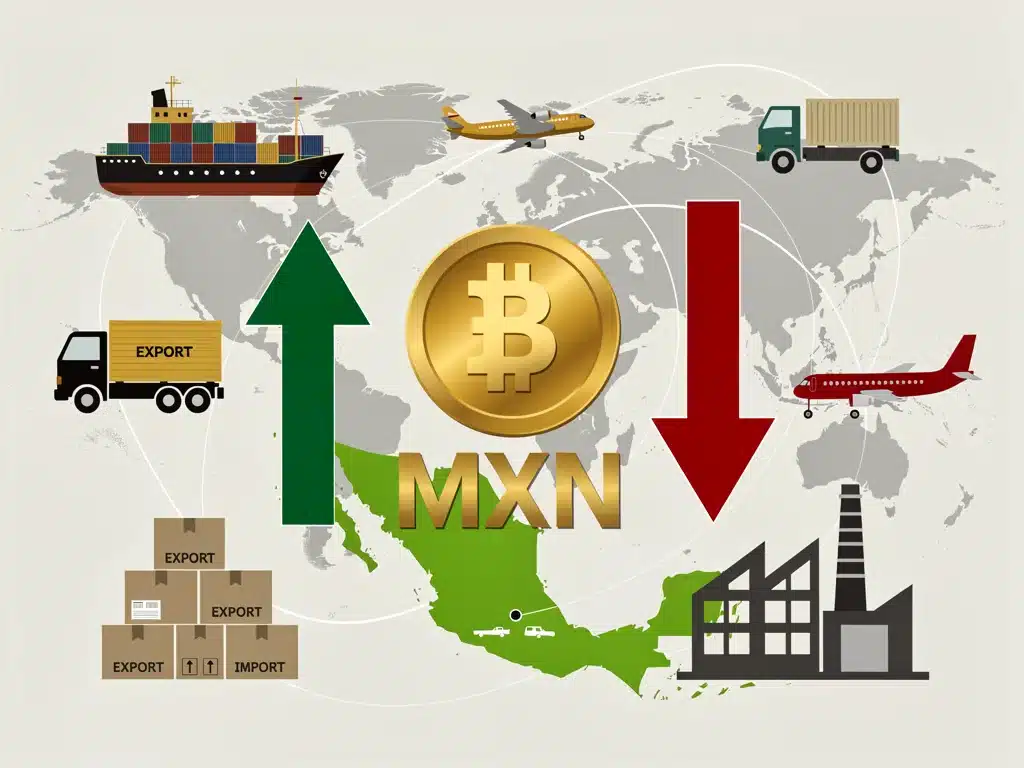
Understanding currency volatility is critical for anyone navigating trade across North American borders. Recent Mexican Peso Fluctuations—including a sharp 5% shift over the past three months—are reshaping profitability for cross-border businesses and international investors alike.
When a foreign exchange rate swings rapidly, it alters the economic equation overnight. A weakening or strengthening MXN directly dictates foreign purchasing power, driving up import costs while altering the global competitiveness of Mexican exports.
Whether you are managing cross-border supply chains or tracking Latin American market trends, timing your financial strategy is paramount. Here is a breakdown of what triggered this recent shift and what it means for the market ahead.
Understanding the Recent Mexican Peso Fluctuation
The recent 5% Mexican Peso fluctuation has been a focal point for financial analysts and policymakers. This movement, observed over the last three months, reflects a complex interplay of global economic trends, domestic policy decisions, and investor sentiment.
Advertisements
Such a significant change in currency value can create both challenges and opportunities across different economic sectors. For businesses engaged in international trade, these shifts directly influence profitability and strategic planning.
Pinpointing the exact drivers behind this specific fluctuation requires a comprehensive look at various market indicators and geopolitical events. The peso’s performance is often a barometer of broader economic health and investor confidence in emerging markets.
Key Factors Driving Peso Volatility
Several factors have contributed to the recent Mexican Peso fluctuation. Global commodity prices, particularly oil, play a significant role as Mexico is a major oil producer.
Additionally, interest rate differentials between Mexico and major economies like the United States influence capital flows, impacting the peso’s strength. Domestic economic policies and political stability also weigh heavily on investor perceptions.
- Global interest rate policies, particularly from the US Federal Reserve.
- Fluctuations in international oil prices and other commodities.
- Domestic economic growth forecasts and inflation rates.
- Geopolitical developments and investor risk appetite.
The interplay of these elements creates a challenging environment for predicting short-term currency movements. Businesses must remain agile and informed to react effectively to these dynamic conditions.
Impact on Mexican Imports: Increased Costs and Strategic Shifts
The recent strengthening or weakening of the Mexican Peso fluctuation directly translates into altered costs for importers. A depreciated peso makes imported goods more expensive in local currency terms, affecting consumer prices and manufacturing inputs.
Conversely, an appreciation of the peso could make imports cheaper, potentially benefiting consumers and industries reliant on foreign components. Businesses must adjust their sourcing strategies and pricing models accordingly to maintain competitiveness.
These cost changes can ripple through the entire supply chain, influencing inventory management, production costs, and ultimately, retail prices for a wide array of products. The ability to forecast and respond to these shifts is paramount for import-dependent enterprises.
Rising Costs for Raw Materials and Consumer Goods
Many Mexican industries rely heavily on imported raw materials and intermediate goods for their production processes. When the peso depreciates, the cost of these essential inputs increases, directly impacting manufacturing expenses.
This can lead to higher production costs, which companies may then pass on to consumers in the form of elevated prices, potentially fueling inflation.
Consumer goods, particularly those not produced domestically, also become more expensive, reducing purchasing power.
- Increased operational costs for manufacturers using imported components.
- Higher retail prices for imported consumer products, affecting household budgets.
- Potential pressure on profit margins for businesses unable to fully pass on costs.
- A shift towards domestic sourcing where viable, to mitigate currency risks.
Businesses are exploring various strategies, including hedging currency risks and diversifying their supply chains, to buffer against the adverse effects of a depreciating Mexican Peso fluctuation. This proactive approach is vital for maintaining stability in a volatile market.
Effects on Mexican Exports: Competitiveness and Market Dynamics
For Mexican exporters, the Mexican Peso fluctuation presents a different set of challenges and opportunities.
A weaker peso generally makes Mexican exports more competitive in international markets, as foreign buyers can purchase more goods with their currency.
This can boost export volumes and revenues for companies, contributing positively to the country’s trade balance. However, a stronger peso can make exports more expensive, potentially reducing demand and affecting profitability.
The impact varies significantly across sectors, with some industries being more sensitive to currency movements due to their pricing structures and global market presence. Understanding these nuances is key for export-oriented businesses.
Enhanced Competitiveness for Export-Oriented Industries
When the Mexican Peso fluctuation leads to a depreciation, Mexican goods and services become more attractive to international buyers. This can provide a significant competitive advantage, especially for industries like manufacturing, agriculture, and tourism.
Exporters may find it easier to penetrate new markets or increase their market share in existing ones due to more favorable pricing. This can lead to increased production, job creation, and foreign exchange earnings for the country.
- Improved pricing for Mexican products in foreign markets.
- Potential for increased export volumes and market share.
- Boost to industries like automotive, electronics, and agricultural exports.
- Greater foreign exchange earnings for the national economy.
Despite the advantages, exporters must also contend with the increased cost of any imported inputs they use for production. This balance between cheaper exports and potentially more expensive inputs is a constant management challenge.
Macroeconomic Implications for Mexico’s Economy
The 5% Mexican Peso fluctuation has broader macroeconomic implications that extend beyond individual businesses. It affects national inflation rates, foreign debt servicing, and the overall economic stability of Mexico.
Policymakers at the Banco de México closely monitor these currency movements, often adjusting monetary policy to counteract inflationary pressures or support economic growth. The peso’s stability is crucial for investor confidence and long-term economic planning.
These macroeconomic shifts can influence everything from public spending to foreign direct investment. A clear understanding of these dynamics is essential for both government and private sector decision-makers.
Inflationary Pressures and Monetary Policy Responses
A depreciating peso can lead to imported inflation, as the cost of foreign goods and services rises. This can erode purchasing power and put pressure on the central bank to implement tighter monetary policies, such as raising interest rates, to control price increases.
Conversely, a stronger peso might help to temper inflation by making imports cheaper. The Banco de México’s response to the Mexican Peso fluctuation is critical in maintaining economic stability and guiding future economic growth.
- Risk of imported inflation from more expensive foreign goods.
- Potential for the central bank to adjust interest rates.
- Impact on consumer purchasing power and wage negotiations.
- Influence on overall economic growth and investment climate.
The central bank’s actions are closely watched by markets, as they signal the government’s commitment to managing economic volatility. These policy decisions have far-reaching effects on all economic actors within Mexico.
Sector-Specific Analysis of Currency Movements
The impact of the Mexican Peso fluctuation is not uniform across all sectors of the Mexican economy. Some industries are inherently more sensitive to currency shifts due to their reliance on international trade or foreign currency-denominated transactions.
For instance, the automotive sector, with its deep integration into North American supply chains, experiences distinct effects compared to the domestic services industry. A detailed sector-by-sector analysis reveals varied responses and adaptive strategies.
Understanding these sector-specific vulnerabilities and resilience factors is crucial for targeted policy interventions and informed business decisions. Each industry must assess its unique exposure to currency risk.
Automotive and Manufacturing Industries
The automotive and broader manufacturing sectors in Mexico are highly integrated into global supply chains, often importing components and exporting finished goods.
A depreciating peso can make Mexican-assembled vehicles more competitive abroad but also increases the cost of imported parts.
This creates a complex scenario where companies must balance export gains against import costs. Many firms employ hedging strategies to mitigate currency risk, ensuring stability in their financial planning despite the Mexican Peso fluctuation.
- Increased attractiveness of Mexican manufacturing exports.
- Higher costs for imported components and machinery.
- Emphasis on local sourcing where possible to reduce import exposure.
- Use of currency hedging instruments to stabilize profits.
The long-term investment decisions in these capital-intensive industries are particularly sensitive to sustained currency trends. Stability in the peso is often preferred for predictable planning and operational efficiency.
Strategies for Businesses: Mitigating Risk and Seizing Opportunities
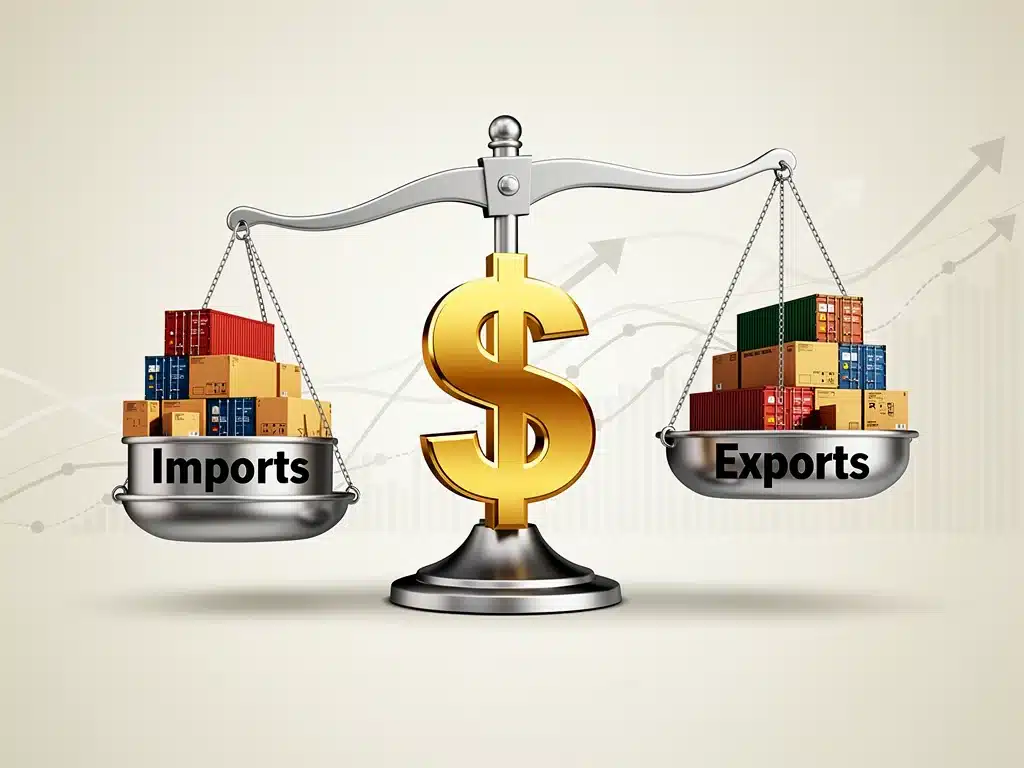
In response to the Mexican Peso fluctuation, businesses are adopting various strategies to mitigate risks and capitalize on potential opportunities. These strategies range from financial hedging to operational adjustments and supply chain diversification.
Proactive management of currency exposure is essential for maintaining profitability and stability in an unpredictable market. Companies are increasingly investing in sophisticated financial tools and expert advice to navigate these complexities.
The ability to adapt quickly and effectively to currency movements can be a significant competitive advantage. This requires a deep understanding of market dynamics and a flexible business model.
Hedging and Diversification in Trade Operations
Many businesses engaged in international trade utilize financial instruments, such as forward contracts and options, to hedge against adverse Mexican Peso fluctuation. These tools allow companies to lock in exchange rates for future transactions, providing certainty in their financial planning.
Beyond financial hedging, operational diversification is also gaining traction. This includes sourcing from multiple countries, diversifying export markets, and even localizing production to reduce reliance on imports.
- Utilizing forward contracts to fix exchange rates for future transactions.
- Diversifying supply chains to reduce dependence on a single currency or region.
- Exploring new export markets to spread currency risk.
- Investing in local production capabilities to reduce import exposure.
These strategies help businesses build resilience against currency volatility, allowing them to focus on core operations rather than being overly exposed to currency market swings. Effective risk management is crucial for long-term success.
Future Outlook and Expert Predictions for the Mexican Peso
The future trajectory of the Mexican Peso fluctuation remains a subject of intense debate among economists and financial analysts. Predictions vary widely, influenced by anticipated global economic shifts, domestic policy changes, and evolving geopolitical landscapes.
Monitoring key economic indicators, central bank statements, and international trade agreements will be crucial for understanding potential future movements. Businesses and investors should prepare for continued volatility and adapt their strategies accordingly.
Experts emphasize the importance of a balanced perspective, considering both short-term market reactions and long-term structural factors influencing the peso’s value. Continuous assessment is vital for informed decision-making.
Factors Influencing Long-Term Peso Stability
Several fundamental factors will likely influence the long-term stability of the Mexican Peso fluctuation. These include Mexico’s fiscal health, its trade relationship with major partners like the United States, and the country’s ability to attract foreign direct investment.
Structural reforms, improvements in infrastructure, and a stable political environment can also contribute significantly to boosting investor confidence and strengthening the peso. The ongoing nearshoring trend is another critical factor.
- Government fiscal policies and national debt levels.
- Trade agreements and economic ties with key global partners.
- Foreign direct investment inflows and investor confidence.
- Domestic economic reforms and political stability.
Ultimately, the peso’s future performance will be a reflection of both global economic forces and Mexico’s internal economic resilience. Businesses should maintain a flexible approach and stay informed about these evolving dynamics for optimal performance.
| Key Impact | Description |
|---|---|
| Import Costs | A weaker peso increases the cost of imported goods and raw materials. |
| Export Competitiveness | A weaker peso makes Mexican exports more affordable and competitive internationally. |
| Inflationary Pressure | Peso depreciation can lead to higher prices for imported goods, contributing to inflation. |
| Business Strategies | Companies employ hedging and supply chain diversification to manage currency risk. |
Frequently Asked Questions About Mexican Peso Fluctuation
The recent Mexican Peso fluctuation is attributed to a combination of factors, including global interest rate differentials, commodity price movements, and investor sentiment regarding emerging markets. Domestic economic policies and political developments also play a significant role in influencing its value against major currencies.
A weaker peso makes imported goods and raw materials more expensive when purchased with local currency. This increases production costs for businesses reliant on foreign inputs and can lead to higher consumer prices for imported products, impacting overall purchasing power and inflation.
When the Mexican Peso fluctuation results in depreciation, Mexican exports become more competitive in international markets. Foreign buyers can purchase more Mexican goods for the same amount of their currency, potentially boosting export volumes, revenues, and market share for export-oriented industries.
Businesses can manage Mexican Peso fluctuation through strategies like currency hedging, using financial instruments to lock in exchange rates for future transactions. Diversifying supply chains, exploring new export markets, and localizing production are also effective operational adjustments to mitigate currency risks and enhance resilience.
The Banco de México actively monitors the Mexican Peso fluctuation and implements monetary policy adjustments to maintain economic stability. This includes potentially adjusting interest rates to control inflation or intervening in foreign exchange markets to smooth out excessive volatility, thus influencing investor confidence and economic growth.
Looking Ahead: Navigating Mexico’s Economic Currents
The recent Mexican Peso fluctuation underscores the dynamic nature of global finance and its direct impact on national economies.
Businesses and policymakers in Mexico must remain vigilant, adapting strategies to both mitigate risks and leverage opportunities presented by currency movements.
Continuous monitoring of global economic indicators, domestic policy shifts, and trade relationships will be crucial for navigating the evolving landscape.
The ability to forecast and respond effectively to these changes will define success for those involved in Mexico’s international trade sector.
Stakeholders should prioritize robust risk management frameworks and flexible business models to ensure resilience in the face of ongoing currency volatility.
The insights gained from Analyzing the Mexican Peso’s 5% Fluctuation in the Last 3 Months will be vital for future planning and sustained economic growth.