Mexican Remittance Inflows Exceed $65 Billion: Economic Drivers
Advertisements
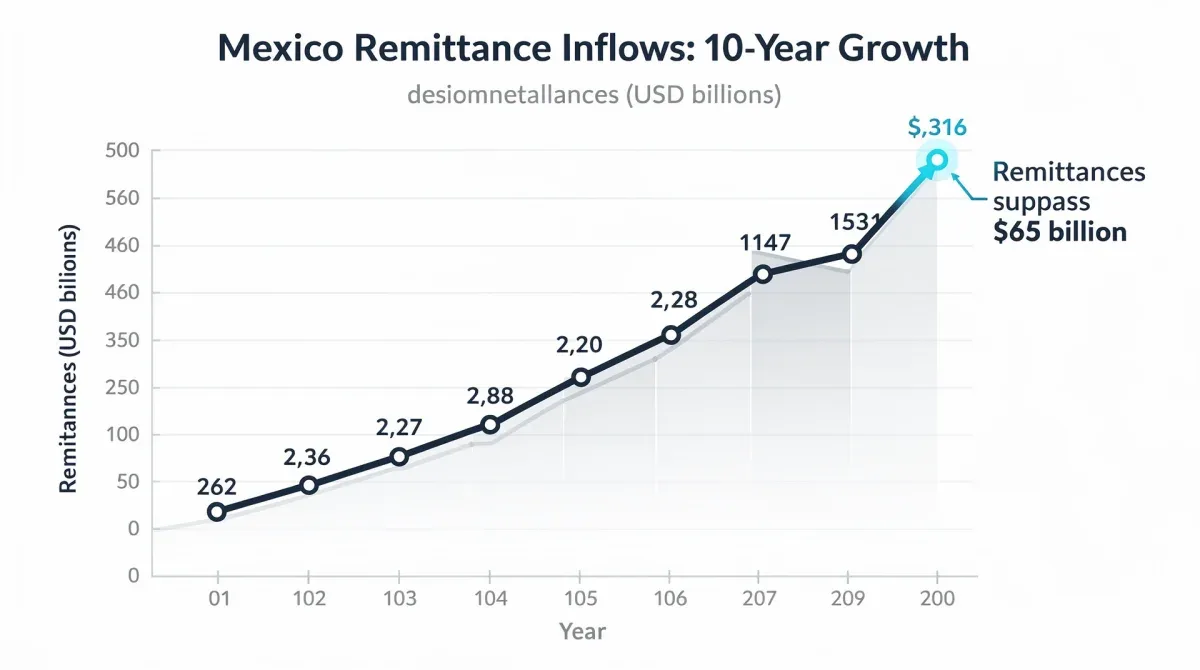
Every wire transfer sent from a U.S. paycheck to family back home adds up to a massive cross-border lifeline. As Mexican Remittance Inflows surpass $65 billion annually, these cross-border transfers remain a core engine powering household spending and retail demand across Mexico.
Higher average transfer sizes, digital payment adoption, and steady U.S. wage dynamics continue to anchor the world's largest remittance corridor. Meanwhile, exchange-rate shifts, stricter border enforcement, and tighter transfer compliance rules are reshaping how much real purchasing power reaches recipient families.
Whether you track North American consumer trends, cross-border fintech, or U.S.-Mexico trade flows, these money transfers reveal where household demand is holding firm. Here are the key economic drivers, Banco de México data points, and policy shifts to monitor next.
Surging Remittances: A Pillar of Mexican Economic Stability
Mexico’s economy continues to benefit significantly from the robust flow of remittances, with annual inflows now exceeding an impressive $65 billion. This financial lifeline, primarily from Mexican workers residing in the United States, plays a pivotal role in supporting countless households across the nation.
The consistent growth in these transfers underscores their critical importance, especially in rural areas where alternative economic opportunities may be limited. These funds directly impact the purchasing power of families, driving local commerce and contributing to overall economic stability.
Analysts emphasize that this sustained influx of capital is not merely a social safety net but a powerful economic engine. It fosters consumer confidence and stimulates demand across various sectors, from basic goods to housing and education.
The latest figures confirm that Mexican Remittance Inflows have not only maintained their upward trajectory but have accelerated, setting new records. This consistent increase highlights the enduring connection between the Mexican diaspora and their homeland, proving resilient even amidst global economic fluctuations.
According to recent reports from the Bank of Mexico, the volume of remittances continues to defy expectations, reflecting strong employment rates for Mexican workers abroad. This steady stream of funds is a testament to their dedication and the vital role they play in both their host countries and their country of origin.
The economic impact of these inflows is multifaceted, extending beyond immediate consumption to affect savings, investment, and even the financial inclusion of previously unbanked populations. The sheer scale of these transfers makes them a significant factor in Mexico's macroeconomic outlook.
Economic Drivers Behind the Remittance Boom
Several key factors are contributing to the sustained surge in Mexican Remittance Inflows, creating a powerful economic dynamic. Strong labor markets in the United States, particularly in sectors that traditionally employ Mexican immigrants, are a primary driver.
The stability of employment and competitive wages allow individuals to consistently send money back home, supporting their families and communities. These economic conditions abroad directly translate into increased financial flows into Mexico, boosting local economies.
Furthermore, evolving digital platforms for money transfers have made sending remittances easier, faster, and more affordable than ever before. This technological advancement reduces transaction costs and increases the efficiency of the transfer process, encouraging higher volumes of remittances.
Robust U.S. Labor Market Conditions
Sustained job growth in key sectors like construction, agriculture, and services provides stable employment for Mexican workers.
Higher wages and improved working conditions in the U.S. enhance the capacity of individuals to send larger sums.
Low unemployment rates among immigrant populations ensure a consistent income stream for remittance senders.
The economic resilience of the Mexican diaspora, coupled with their strong familial ties, ensures that these funds remain a reliable source of income for many Mexican households. This dedication is a fundamental component of the ongoing remittance boom.
Government policies and initiatives in both Mexico and the United States, aimed at facilitating legal migration and ensuring worker protections, also indirectly support the stability of these financial flows. A predictable environment encourages consistent transfers.
The diversification of remittance sources, while still heavily concentrated in the U.S., also plays a minor role, though the vast majority originates from north of the border. This broad base helps insulate the overall flow from localized economic downturns.
Impact on Mexican Consumer Demand
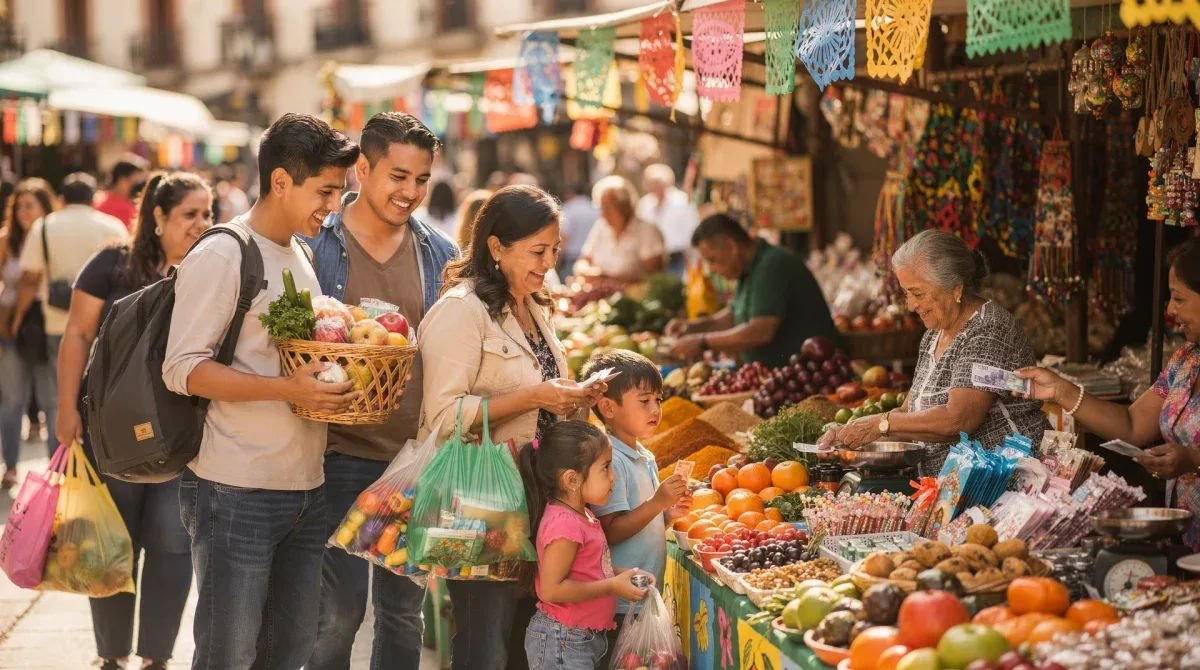
The continuous influx of Mexican Remittance Inflows has a profound and direct impact on Mexican consumer demand, serving as a critical engine for internal market growth. Families receiving these funds often allocate them towards essential goods and services, stimulating various industries.
Increased purchasing power allows households to improve their living standards, investing in food, clothing, and household appliances. This widespread consumer spending ripples through the economy, supporting local businesses and creating employment opportunities.
Beyond immediate consumption, a significant portion of remittances is directed towards more substantial investments such as home improvements, education, and healthcare. This strategic allocation contributes to long-term economic development and human capital formation.
Boosting Local Economies and Small Businesses
Remittances provide crucial liquidity to local economies, especially in rural and semi-urban areas.
Small and medium-sized enterprises (SMEs) benefit directly from increased consumer spending on their products and services.
The enhanced purchasing power helps sustain traditional markets and local commerce, preserving community economic structures.
The stability provided by these funds allows families to plan for the future, leading to more consistent demand patterns for various goods. This predictability is valuable for businesses looking to expand and invest within Mexico.
The multiplier effect of remittances means that every dollar sent home circulates within the local economy multiple times, generating further economic activity. This makes Mexican Remittance Inflows a highly efficient form of economic stimulus.
Moreover, the increased financial inclusion facilitated by remittance services often leads to greater participation in formal financial systems, allowing recipients to access credit and other banking services, further boosting their economic capabilities.
Regional Disparities and Targeted Impact
While Mexican Remittance Inflows benefit the entire nation, their impact is not uniformly distributed across all regions. Certain states and municipalities, particularly those with a long history of migration to the United States, experience a disproportionately higher influx of these funds.
These regions often exhibit stronger consumer spending patterns, more robust local economies, and greater investment in infrastructure and housing. The targeted nature of these flows creates pockets of significant economic activity, even in areas with otherwise limited resources.
Understanding these regional disparities is crucial for policymakers aiming to maximize the positive effects of remittances and address any potential imbalances. Strategic investments can further leverage these funds for sustainable development.
States like Michoacán, Jalisco, Guanajuato, and Oaxaca consistently rank among the top recipients of remittances. In these areas, the funds are often the primary source of income for many families, shaping local economies and social structures.
The economic landscape in these remittance-dependent regions often sees a flourishing of small businesses, particularly in retail, food services, and construction. This localized boom is a direct consequence of the steady flow of capital from abroad.
However, this reliance also presents challenges, as these regions can become vulnerable to fluctuations in the U.S. economy or changes in immigration policies. Diversification of local economic activities remains an important long-term goal.
Government Initiatives and Financial Inclusion
The Mexican government, recognizing the immense economic power of Mexican Remittance Inflows, has implemented various initiatives to optimize their impact and promote financial inclusion. These efforts aim to ensure that remittances are not just consumed but also contribute to long-term wealth creation.
Programs to facilitate secure and low-cost transfers, alongside financial literacy campaigns, are designed to empower recipients. The goal is to encourage savings, investment, and entrepreneurship, transforming short-term aid into sustainable economic growth.
These initiatives also seek to integrate more individuals into the formal banking system, providing access to credit, insurance, and other financial products. This move away from informal channels enhances transparency and security for all involved.
Promoting Responsible Use of Funds
Financial education workshops teach recipients how to budget, save, and invest their remittance income effectively.
Partnerships with financial institutions offer specialized accounts and credit products tailored for remittance recipients.
Government programs provide incentives for investing remittances in productive activities, such as small businesses or agricultural projects.
The collaboration between government agencies, financial institutions, and community organizations is vital in reaching a broad audience and addressing specific regional needs. This multi-stakeholder approach maximizes the positive effects of the funds.
By reducing barriers to financial services, these initiatives ensure that the benefits of Mexican Remittance Inflows are widely accessible. This democratizes economic opportunity and fosters a more inclusive financial landscape across Mexico.
The focus on formalization also helps in tracking and analyzing remittance patterns more accurately, providing valuable data for economic planning and policy formulation. This data-driven approach strengthens the overall economic framework.
Challenges and Opportunities in the Remittance Landscape
Despite the overwhelmingly positive impact of Mexican Remittance Inflows, the landscape is not without its challenges, which also present opportunities for further growth and optimization. Maintaining the stability of these flows requires continuous monitoring of both global and regional economic conditions.
Potential shifts in immigration policies or economic downturns in the United States could directly affect the volume of remittances, necessitating proactive strategies. Diversifying the sources of remittances and strengthening internal economic resilience are ongoing priorities.
However, these challenges also open doors for innovation in financial technology and policy, aimed at making remittances even more efficient and impactful. Enhancing financial literacy and investment opportunities remains a key area for development.
One significant opportunity lies in leveraging remittances for greater collective investment in communities. Encouraging groups of recipients to pool resources for larger development projects could amplify the economic benefits beyond individual household consumption.
Another area for growth is the integration of remittances with digital payment ecosystems, making transactions seamless and potentially reducing costs further. This modernization can attract a younger generation of senders and recipients.
Addressing the informal channels of remittance transfer, while less prevalent now, still represents an opportunity to bring more funds into the formal financial system, increasing transparency and reducing risks for recipients.
Future Outlook: Sustained Growth and Economic Integration
The future outlook for Mexican Remittance Inflows appears to be one of sustained growth, continuing to serve as a vital component of Mexico’s economic fabric. Projections indicate that these flows will remain robust, driven by persistent demand for labor abroad and strong familial ties.
As technology continues to evolve, the efficiency and accessibility of remittance services are expected to improve further, potentially increasing the volume and frequency of transfers. This digital transformation will play a key role in shaping the future of remittances.
Moreover, ongoing efforts to promote financial inclusion and educate recipients on productive uses of these funds will deepen their economic impact. The integration of remittances into broader development strategies will enhance their long-term benefits.
The role of the Mexican diaspora in supporting their home country is likely to grow, not diminish. Their contributions extend beyond financial transfers to cultural exchanges and the sharing of skills and knowledge, enriching both nations.
Policymakers in Mexico are increasingly viewing remittances not just as a source of income but as a strategic asset for national development. This shift in perspective will likely lead to more integrated policies that maximize their potential.
Ultimately, the continued strength of Mexican Remittance Inflows underscores the interconnectedness of economies and the profound human element in global finance. It's a testament to resilience, family, and economic opportunity.
Key Point | Brief Description |
|---|---|
Exceeding $65 Billion | Annual Mexican Remittance Inflows hit record levels, proving a critical economic backbone. |
Economic Drivers | Strong U.S. labor market and efficient transfer methods fuel the remittance boom. |
Consumer Demand Boost | Funds directly enhance purchasing power, stimulating local economies and industries. |
Financial Inclusion | Government initiatives promote responsible use and integration into formal financial systems. |
Frequently Asked Questions About Mexican Remittance Inflows
What is the current annual volume of Mexican Remittance Inflows?▼
Currently, Mexican Remittance Inflows have exceeded an impressive $65 billion annually. This figure highlights the significant financial contribution from Mexican workers abroad to their home country's economy, demonstrating sustained growth over recent years.
What are the primary economic drivers behind these high remittance figures?▼
The primary drivers include robust employment opportunities and competitive wages in the United States, particularly in sectors employing Mexican immigrants. Additionally, advancements in digital money transfer technologies have made sending remittances more accessible and cost-effective.
How do remittances impact Mexican consumer demand?▼
Mexican Remittance Inflows significantly boost consumer demand by increasing household purchasing power. Funds are spent on essential goods, services, housing, education, and healthcare, stimulating local economies and supporting small businesses across Mexico.
Which regions in Mexico benefit most from these inflows?▼
States with a long history of migration, such as Michoacán, Jalisco, Guanajuato, and Oaxaca, are among the top recipients. These regions experience a disproportionately higher impact on their local economies, with increased spending and development.
What role do government initiatives play in managing remittances?▼
The Mexican government implements programs to facilitate secure and low-cost transfers, promote financial literacy, and encourage savings and investment. These initiatives aim to integrate recipients into the formal financial system and maximize the long-term economic benefits of Mexican Remittance Inflows.
Looking Ahead: Sustaining Mexico's Economic Engine
The sustained surge in Mexican Remittance Inflows past $65 billion underscores their irreplaceable role as an economic engine for Mexico. This financial flow is not just a lifeline for families but a powerful driver of consumer demand and local economic growth, particularly in remittance-dependent regions.
Moving forward, continued monitoring of global economic conditions, alongside innovative financial solutions and strategic government initiatives, will be crucial to maximize the positive impact of these funds.
The resilience of the Mexican diaspora and the increasing efficiency of transfer mechanisms suggest that remittances will remain a cornerstone of Mexico's economic stability and development for years to come.