Mexico’s 2026 Economic Outlook: Key Policy Shifts Driving
Advertisements
Latest developments on Mexico’s 2026 Economic Outlook continue attracting attention as government officials and financial institutions outline policy measures designed to support an estimated 3% national growth target this year. Economic strategies are focusing on infrastructure expansion, nearshoring opportunities, industrial investment, and trade competitiveness as Mexico strengthens its role in North American supply chains.
Recent policy shifts include incentives for manufacturing growth, energy sector adjustments, and efforts to improve fiscal stability while attracting additional foreign direct investment into strategic industries. Analysts say Mexico’s economic resilience is being supported by strong export activity, continued demand from the United States, and the expansion of sectors tied to automotive production, technology, and logistics.
Businesses and investors should now monitor inflation trends, interest rate decisions, currency stability, and potential trade developments that could influence Mexico’s economic momentum throughout 2026. Experts also recommend closely following government infrastructure projects, labor market conditions, and global supply chain dynamics as policymakers continue balancing growth objectives with external economic risks.
Understanding the Core Policy Shifts Driving Growth
The foundation of the projected 3% growth in Mexico’s 2026 Economic Outlook rests upon several core policy shifts. These strategic adjustments span fiscal, monetary, and sectoral initiatives, all designed to create a more robust and competitive economy.
Key among these is an emphasis on public infrastructure spending, aimed at improving connectivity and logistics across the nation. This investment is expected to generate employment and stimulate demand in related industries.
Furthermore, new trade agreements and a focus on nearshoring initiatives are poised to significantly boost Mexico’s export capabilities. These policies aim to capitalize on global supply chain realignments, drawing more manufacturing and production to the country.
Fiscal Discipline and Investment Incentives
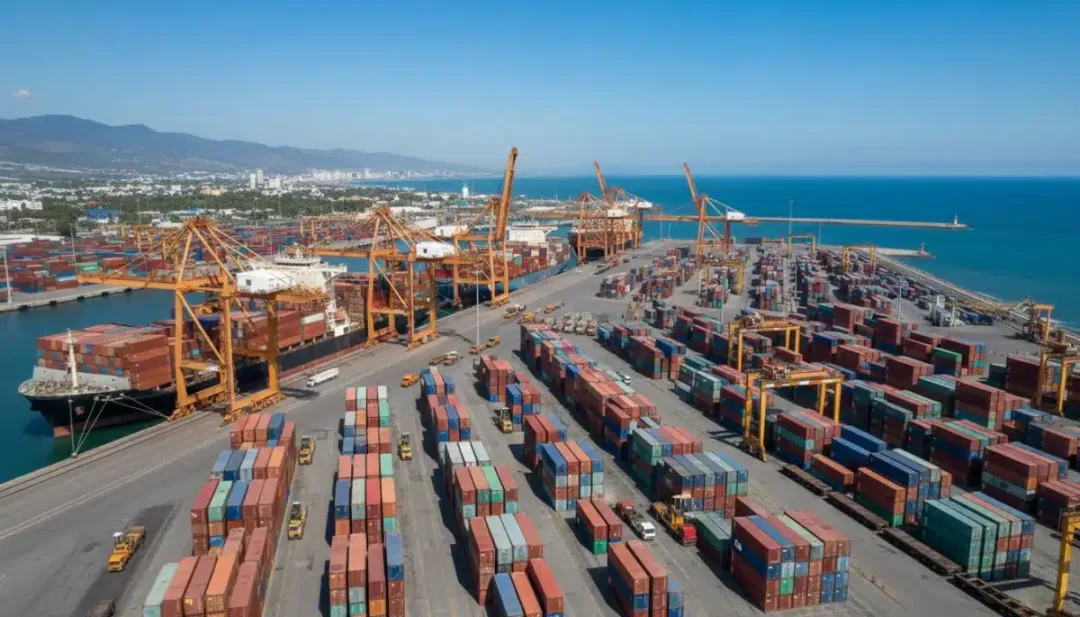
The government is committed to maintaining fiscal discipline while simultaneously introducing attractive investment incentives. These measures seek to balance budgetary responsibility with the need to stimulate private sector engagement.
Tax reforms and simplified regulatory frameworks are also part of this strategy, intended to reduce the burden on businesses and encourage new ventures. The goal is to create an environment where entrepreneurship can thrive and contribute to the Mexico 2026 Economic Outlook.
- Public investment in key infrastructure projects, including roads, ports, and energy.
- Streamlined tax processes and reduced bureaucracy for foreign investors.
- Targeted subsidies and incentives for industries aligned with national development goals.
These fiscal policies are designed to ensure long-term economic stability while providing immediate catalysts for growth. The careful calibration of spending and incentives is central to achieving the 3% GDP target.
Monetary Policy Stability and Exchange Rate Management
The Banco de México continues its commitment to monetary policy stability, which is crucial for controlling inflation and maintaining investor confidence. Their independent stance is a cornerstone of the favorable Mexico 2026 Economic Outlook.
Prudent management of the exchange rate is also a priority, ensuring that Mexico’s exports remain competitive while imports remain affordable. This balance is vital for both domestic consumers and international trade partners.
The central bank’s actions are closely monitored as they directly influence borrowing costs and overall economic liquidity. Their ongoing efforts contribute significantly to the predictable economic environment needed for sustained growth.
Sectoral Development and Strategic Industries
A significant component of Mexico’s 2026 Economic Outlook involves targeted development in strategic industrial sectors. These sectors have been identified as having high growth potential and the ability to drive broader economic prosperity.
Manufacturing, particularly automotive and aerospace, is set to receive continued support through various government programs and incentives. This focus aims to solidify Mexico’s position as a global manufacturing hub.
Furthermore, the renewable energy sector is experiencing a surge in investment and regulatory support, aligning with global sustainability goals and creating new economic opportunities. This diversification is key to a resilient Mexico 2026 Economic Outlook.
Boosting Manufacturing and Export Capabilities
Efforts to boost manufacturing are intrinsically linked to enhancing Mexico’s export capabilities. The government is actively promoting nearshoring, encouraging international companies to relocate their production facilities closer to major markets like the United States.
This strategy not only creates jobs but also integrates Mexico more deeply into global supply chains, increasing its economic influence. The resulting increase in foreign direct investment is a critical factor in achieving the projected 3% growth.
- Expansion of automotive production capacity and technological upgrades.
- Growth in aerospace components manufacturing, attracting specialized investments.
- Development of industrial parks with advanced infrastructure to support new factories.
The synergy between manufacturing growth and export promotion is expected to be a powerful engine for the Mexico 2026 Economic Outlook. These initiatives are designed to create a virtuous cycle of investment and economic expansion.
Renewable Energy and Digital Transformation Initiatives
Investment in renewable energy sources, such as solar and wind power, is a strategic priority. This not only addresses environmental concerns but also positions Mexico as a leader in sustainable energy production, diversifying its energy matrix.
Alongside this, significant emphasis is placed on digital transformation across various sectors. This includes promoting technological adoption in small and medium-sized enterprises (SMEs) and investing in digital infrastructure.
These initiatives are crucial for enhancing productivity, fostering innovation, and creating new high-value jobs. The integration of technology and sustainable practices will underpin the long-term success of Mexico’s 2026 Economic Outlook.
Regional Development and Social Inclusion Programs
Central to Mexico’s 2026 Economic Outlook is a commitment to balanced regional development and robust social inclusion programs. The government recognizes that equitable growth is essential for sustained national prosperity.
Investments are being channeled into underdeveloped regions, focusing on infrastructure, education, and healthcare improvements. This aims to reduce disparities and unlock economic potential across the entire country.
Social programs designed to support vulnerable populations are also being strengthened, ensuring that the benefits of economic growth are widely distributed. This holistic approach underpins a more resilient and inclusive Mexico 2026 Economic Outlook.
Infrastructure Development in Southern States
The southern states of Mexico, traditionally less developed, are receiving substantial investments in critical infrastructure. Projects like the Tren Maya and the Interoceanic Corridor are expected to transform these regions.
These mega-projects aim to boost tourism, facilitate trade, and create new industrial and logistical hubs. The long-term impact is anticipated to significantly contribute to the overall Mexico 2026 Economic Outlook by integrating these regions into the national economy.
- Construction of new highways and modernization of existing transportation networks.
- Development of new port facilities and logistical platforms to enhance trade.
- Investment in local energy grids and water infrastructure to support economic activity.
The strategic development of the south is not just about physical infrastructure; it’s about creating new economic ecosystems. This regional focus is a key policy shift for a balanced national growth.
Strengthening Education and Healthcare Access
Beyond physical infrastructure, the government is prioritizing investments in human capital through improved education and healthcare access. A healthier and better-educated workforce is fundamental for achieving the goals of Mexico’s 2026 Economic Outlook.
Programs are being implemented to enhance the quality of public education, from basic schooling to vocational training, aligning skills with industry demands. This prepares the next generation for the opportunities presented by economic expansion.
Simultaneously, efforts to expand and modernize healthcare services ensure a productive workforce and improve overall quality of life. These social investments are deemed critical for sustainable growth and a positive Mexico 2026 Economic Outlook.
Global Economic Context and External Factors
While domestic policies are crucial, Mexico’s 2026 Economic Outlook is also heavily influenced by the global economic context and various external factors. The nation’s interconnectedness with the world economy means international trends play a significant role.
Global trade dynamics, particularly with the United States, remain a primary driver of Mexico’s economic performance. Stable demand from its northern neighbor is essential for maintaining export growth and foreign investment.
Commodity prices, especially oil, also impact Mexico’s fiscal revenues and overall economic stability. Monitoring these external elements is vital for adapting policies and ensuring the projected 3% growth for Mexico’s 2026 Economic Outlook.
U.S. Economic Performance and Nearshoring Trends
The health of the U.S. economy directly correlates with Mexico’s export volumes and foreign direct investment. A robust U.S. market creates strong demand for Mexican manufactured goods and agricultural products.
The ongoing trend of nearshoring, driven by geopolitical shifts and supply chain vulnerabilities, continues to benefit Mexico. Companies are increasingly looking to relocate production closer to the U.S., choosing Mexico as a preferred destination.
This strategic advantage positions Mexico favorably for sustained growth, attracting significant capital inflows and technology transfers. The nearshoring phenomenon is a cornerstone of the optimistic Mexico 2026 Economic Outlook.
Global Supply Chain Resilience and Geopolitical Stability
Ensuring resilience in global supply chains is a key concern for businesses worldwide, and Mexico’s role in this is growing. The country offers a stable and reliable alternative for production and logistics.
Geopolitical stability in the wider region and globally also plays a part in investor confidence. Mexico’s commitment to multilateralism and its strong diplomatic ties help maintain a predictable environment for trade and investment.
These external factors, when favorable, amplify the positive effects of domestic policy shifts, further bolstering the achievement of the 3% growth target. Understanding these global dynamics is crucial for a complete picture of Mexico’s 2026 Economic Outlook.
Technological Integration and Innovation Ecosystem
The advancement of Mexico’s 2026 Economic Outlook is significantly tied to technological integration and the nurturing of an innovation ecosystem. Embracing new technologies is crucial for enhancing productivity and competitiveness across all sectors.
Government initiatives are focused on promoting research and development, fostering collaboration between academia and industry. This aims to create a dynamic environment where new ideas can flourish and translate into economic value.
Investment in digital infrastructure and skills training programs are also central to ensuring that Mexico can fully leverage the opportunities presented by the digital age. This forward-looking approach is vital for the long-term health of Mexico’s 2026 Economic Outlook.
Promoting R&D and Startup Growth
To foster innovation, Mexico is actively promoting research and development (R&D) through grants, tax incentives, and public-private partnerships. The goal is to stimulate scientific discovery and technological advancement.
Support for startup growth is also a priority, with incubators, accelerators, and venture capital funds being encouraged. These initiatives aim to create a vibrant entrepreneurial landscape, driving innovation and job creation.
- Establishment of technology parks and innovation hubs across major cities.
- Funding programs for small and medium-sized enterprises (SMEs) to adopt new technologies.
- International collaborations to transfer knowledge and best practices in R&D.
These efforts are designed to transform Mexico into a hub for technological innovation, a critical element for a competitive Mexico 2026 Economic Outlook. The focus on R&D and startups will yield dividends in diverse sectors.
Digital Skills Development and Infrastructure Expansion
A skilled workforce capable of navigating the digital economy is paramount. Mexico is investing heavily in digital skills development programs, from basic digital literacy to advanced coding and data analytics.
Simultaneously, the expansion of digital infrastructure, including broadband access and 5G networks, is crucial for supporting a digitally transformed economy. This ensures that businesses and individuals alike can participate fully in the digital realm.
These twin pillars of digital skills and infrastructure are essential for enhancing national productivity and attracting high-tech investments. Their successful implementation will be a key determinant of the positive Mexico 2026 Economic Outlook.
Environmental Sustainability and Green Economy Initiatives
An integral part of Mexico’s 2026 Economic Outlook is the strong emphasis on environmental sustainability and the development of a green economy. Recognizing the global shift towards sustainable practices, Mexico is positioning itself as a leader in this area.
Policies are being implemented to promote cleaner production methods, reduce carbon emissions, and conserve natural resources. These initiatives not only address environmental challenges but also open new avenues for economic growth.
Investment in renewable energy, sustainable agriculture, and eco-tourism are central to this strategy, creating a more resilient and environmentally conscious Mexico 2026 Economic Outlook. This green transformation is crucial for long-term prosperity.
Transition to Renewable Energy Sources
The transition from fossil fuels to renewable energy sources is a major policy objective. Mexico possesses abundant solar and wind resources, which are being harnessed through significant public and private investments.
This shift aims to reduce the country’s reliance on traditional energy sources, enhance energy security, and contribute to global efforts to combat climate change. The growth of the renewable energy sector is a new economic frontier for Mexico.
- Development of large-scale solar and wind farms across various regions.
- Incentives for industrial and residential adoption of renewable energy technologies.
- Research into new sustainable energy solutions and energy storage.
The commitment to renewable energy is a clear signal of Mexico’s dedication to a sustainable future, directly influencing the positive trajectory of Mexico’s 2026 Economic Outlook. This will attract environmentally conscious investors.
Sustainable Agriculture and Eco-Tourism Promotion
Sustainable agriculture practices are being promoted to ensure food security while minimizing environmental impact. This includes supporting organic farming, efficient water usage, and responsible land management.
Eco-tourism is also being developed as a key sector, leveraging Mexico’s rich biodiversity and natural landscapes. This approach creates economic opportunities while preserving the country’s unique ecological heritage.
These green initiatives contribute to a diversified economic base and enhance Mexico’s international image as a responsible global player. Their success is vital for the long-term sustainability of Mexico’s 2026 Economic Outlook.
Challenges and Mitigating Factors for 2026 Growth
Despite the optimistic projections for Mexico’s 2026 Economic Outlook, several challenges and potential mitigating factors must be acknowledged. Proactive strategies are in place to address these head-on and ensure sustained growth.
Inflationary pressures, global economic slowdowns, and internal political dynamics represent significant hurdles. Vigilant monitoring and agile policy responses are critical to navigating these complexities effectively.
However, the government’s commitment to structural reforms and prudent fiscal management provides a strong buffer against these potential setbacks. The ability to adapt will be key to achieving the 3% growth target for Mexico’s 2026 Economic Outlook.
Inflationary Pressures and Global Economic Volatility
Persistent global inflationary pressures could impact consumer purchasing power and increase production costs within Mexico. The Banco de México remains committed to using monetary policy tools to keep inflation in check.
Global economic volatility, stemming from geopolitical conflicts or recessions in major trading partners, could dampen demand for Mexican exports. Diversifying trade relationships is a strategy to mitigate this risk.
Monitoring these external economic forces and implementing timely domestic adjustments will be crucial for safeguarding the positive trajectory of Mexico’s 2026 Economic Outlook. Adaptability is a core strength being leveraged.
Internal Political Stability and Regulatory Framework
Internal political stability and the clarity of the regulatory framework are paramount for attracting and retaining investment. Any uncertainty in these areas could deter both domestic and foreign capital.
The government is working to ensure transparency and consistency in policy implementation, providing a predictable environment for businesses. This commitment to good governance is vital for the long-term success of Mexico’s 2026 Economic Outlook.
- Continued efforts to combat corruption and strengthen the rule of law.
- Open dialogue with the private sector to address regulatory concerns.
- Ensuring policy continuity through changes in administration to build trust.
A stable political landscape coupled with a clear and fair regulatory environment will reinforce investor confidence and support the projected growth for Mexico’s 2026 Economic Outlook. These internal factors are just as important as external ones.
The Role of Foreign Direct Investment (FDI)
Foreign Direct Investment (FDI) is a cornerstone of the optimistic Mexico’s 2026 Economic Outlook. The influx of foreign capital is essential for job creation, technology transfer, and boosting overall economic productivity.
Government policies are specifically designed to make Mexico an attractive destination for international investors. This includes providing legal certainty, improving infrastructure, and offering competitive incentives.
The continued success in attracting FDI will be a crucial determinant in achieving and sustaining the projected 3% national growth rate. This external capital infusion is vital for expanding productive capacity and modernizing industries, thereby strengthening the Mexico 2026 Economic Outlook.
Attracting Global Manufacturers and Service Providers
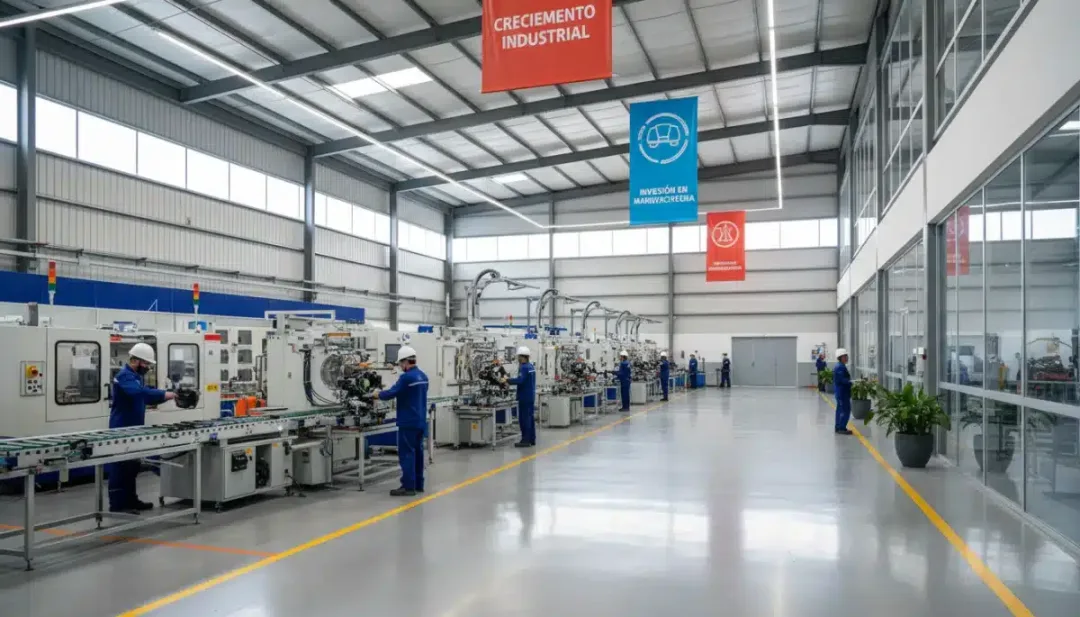
Mexico’s strategic location, skilled workforce, and established trade agreements make it an ideal hub for global manufacturers. The nearshoring trend has significantly amplified this appeal, driving new investment in the industrial sector.
Beyond manufacturing, the services sector, particularly in technology and business process outsourcing, is also attracting considerable FDI. This diversification strengthens Mexico’s economic base and creates higher-value jobs.
The government’s proactive engagement with international businesses, coupled with favorable investment conditions, ensures a steady flow of capital. This continuous inflow of FDI is indispensable for the sustained positive trajectory of Mexico’s 2026 Economic Outlook.
- Promotion of Mexico as a manufacturing and logistics hub in international forums.
- Development of specialized industrial parks catering to specific foreign industries.
- Tax breaks and expedited bureaucratic processes for large-scale foreign investments.
These targeted efforts are designed to ensure that Mexico remains competitive in the global race for foreign capital. A robust FDI pipeline is a key indicator of the health and potential of the Mexico 2026 Economic Outlook.
Impact of USMCA on Investment Decisions
The United States-Mexico-Canada Agreement (USMCA) continues to be a pivotal framework influencing FDI decisions in Mexico. The agreement provides stability and predictability for businesses operating within North America.
Its provisions on labor, environmental standards, and intellectual property rights offer reassurances to investors, making Mexico a more reliable partner. The USMCA’s role in integrating regional supply chains cannot be overstated.
The certainty provided by USMCA is a significant factor in companies choosing Mexico for new investments, directly supporting the ambitious targets of Mexico’s 2026 Economic Outlook. This trade pact is a foundational element for economic planning.
| Key Policy Area | Impact on 2026 Growth |
|---|---|
| Infrastructure Investment | Stimulates employment and enhances national connectivity, boosting productivity. |
| Nearshoring & Trade | Attracts FDI and increases export capacity, leveraging global supply chain shifts. |
| Green Economy | Fosters sustainable development and opens new markets in renewable energy. |
| Fiscal Stability | Ensures macroeconomic predictability, critical for investor confidence and long-term planning. |
Frequently Asked Questions About Mexico’s 2026 Economic Outlook
What are the primary drivers of Mexico’s 2026 Economic Outlook?▼The primary drivers include significant public infrastructure investment, a strategic focus on nearshoring to attract foreign direct investment, and sustained fiscal discipline. These key policy shifts aim to enhance Mexico’s industrial capacity and integrate it more deeply into global supply chains, boosting the Mexico 2026 Economic Outlook.
How will nearshoring affect Mexico’s 2026 Economic Outlook?▼Nearshoring is expected to be a major catalyst for growth, attracting manufacturing and production facilities closer to the U.S. market. This trend will lead to increased foreign direct investment, job creation, and technology transfer, significantly contributing to Mexico’s 2026 Economic Outlook and overall economic expansion.
What role does renewable energy play in the Mexico 2026 Economic Outlook?▼Renewable energy is a strategic sector for Mexico’s 2026 Economic Outlook, promoting sustainability and diversifying the energy matrix. Investments in solar and wind power not only address environmental concerns but also create new economic opportunities and position Mexico as a leader in green technologies.
What challenges might impact Mexico’s 2026 Economic Outlook?▼Potential challenges include global inflationary pressures, economic slowdowns in major trading partners, and internal political dynamics. However, proactive government strategies, such as maintaining fiscal discipline and diversifying trade, are in place to mitigate these risks and support Mexico’s 2026 Economic Outlook.
How will social programs contribute to Mexico’s 2026 Economic Outlook?▼Social programs and regional development initiatives are crucial for ensuring equitable growth and social inclusion. By investing in education, healthcare, and infrastructure in underdeveloped regions, these programs aim to create a more skilled workforce and broader economic participation, reinforcing the positive Mexico 2026 Economic Outlook.
Looking Ahead: Sustaining Mexico’s Economic Momentum
The projected 3% growth for Mexico’s 2026 Economic Outlook signals a period of strategic development and economic restructuring.
The success of these policy shifts hinges on consistent implementation and the ability to adapt to evolving global and domestic conditions. Continuous monitoring of international trade relations, commodity prices, and internal investment trends will be paramount.
The proactive engagement with both foreign and domestic stakeholders remains crucial for translating these ambitious plans into tangible national prosperity, solidifying Mexico’s position as a dynamic economic force.