Impact of Mexico’s 2026 Electoral Reforms on Political Participation: An Expert Analysis
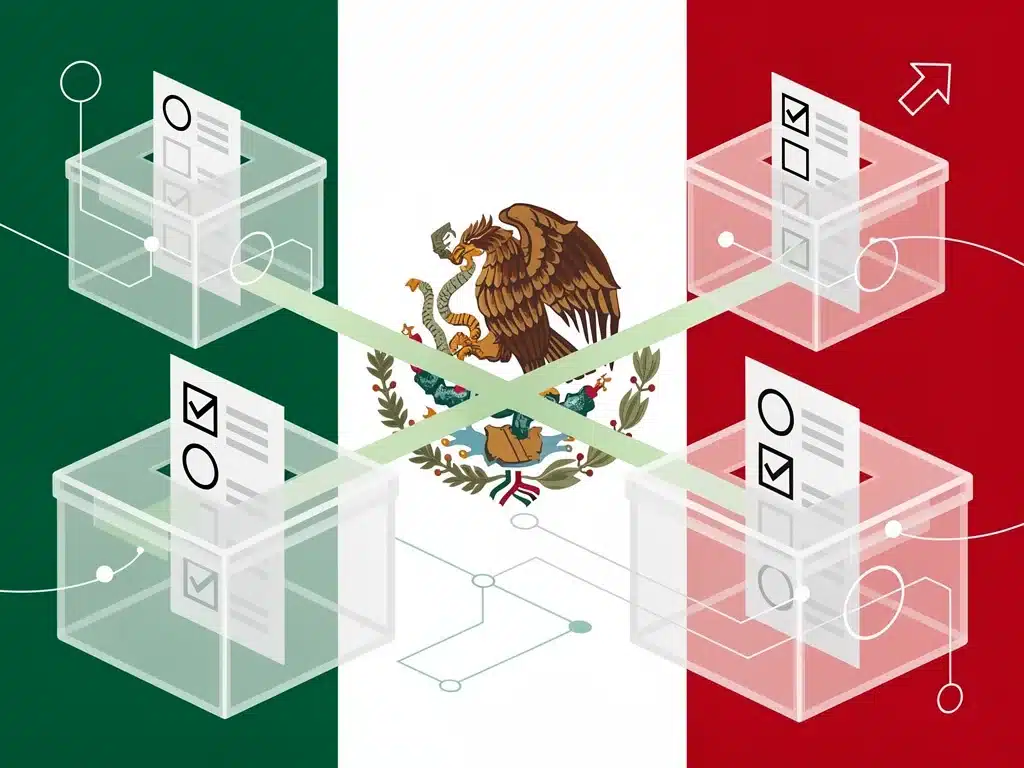
Navigating the far-reaching implications of Mexico Electoral Reforms 2026 has become essential as the nation redefines the mechanics of citizen representation and institutional oversight.
This intense legislative restructuring moves beyond minor procedural tweaks, directly altering political campaign financing frameworks and the composition of democratic institutions.
These sweeping statutory changes carry the potential to radically modify civic engagement patterns and rewrite the rules of political competition.
As independent experts dissect these major legislative overhauls, the balance between institutional centralization and voter empowerment remains fiercely debated.
Advertisements
Dive into this analytical blueprint to understand how these updated polling mandates will reshape civil participation and alter the country’s democratic trajectory.
Understanding the Proposed Legislative Changes
The core of the Mexico Electoral Reforms 2026 involves significant alterations to the institutional framework governing elections. These changes are intended to address long-standing criticisms regarding electoral costs and perceived inefficiencies within the current system.
One primary focus is the potential restructuring of the National Electoral Institute (INE), an autonomous body responsible for organizing federal elections. Proposed modifications could reduce its budget and alter the selection process for its counselors, sparking intense debate.
Additionally, reforms touch upon campaign finance regulations, aiming to limit spending and ensure a more level playing field for all political contenders.
This could significantly reshape how parties conduct their outreach and engage with the electorate, directly affecting the Mexico Electoral Reforms 2026.
Key Areas of Reform
- Electoral Authority Restructuring: Proposals include reducing the number of INE counselors and modifying their appointment process, potentially centralizing power.
- Campaign Finance Limitations: Stricter caps on spending and increased oversight are envisioned to curb excessive expenditure and promote fairness.
- Voting System Adjustments: Discussions involve potential changes to proportional representation and the size of legislative bodies, which could alter political representation.
The proposed changes extend beyond institutional mechanics, seeking to influence voter behavior and trust. By making the electoral process more transparent and ostensibly less costly, reformers hope to re-engage a sometimes-skeptical electorate.
However, critics argue that some reforms could inadvertently weaken independent oversight and create new avenues for political interference. The balance between efficiency and autonomy remains a central point of contention, crucial for the Mexico Electoral Reforms 2026.
Potential Effects on Voter Engagement and Turnout
The Mexico Electoral Reforms 2026 are expected to have a multifaceted impact on how citizens participate in elections. Proponents argue that reduced costs and simplified procedures could make voting more accessible and appealing to a broader demographic.
Conversely, concerns have been raised that certain reforms, particularly those affecting the independence of electoral bodies, might erode public trust. A decrease in trust could lead to voter apathy, potentially lowering turnout in future elections.
The effectiveness of these reforms in boosting or hindering participation will largely depend on their implementation and public perception. Clear communication and demonstrable fairness will be critical to ensuring a positive Mexico Electoral Reforms 2026.
Factors Influencing Participation
- Trust in Institutions: Perceived independence and impartiality of electoral bodies significantly affect voter willingness to participate.
- Accessibility of Voting: Simplification of registration and voting processes could encourage more citizens, especially in remote areas, to cast their ballots.
- Campaign Dynamics: Changes in financing and outreach rules will alter how parties reach voters, potentially influencing engagement levels.
Historical data indicates that voter turnout in Mexico has fluctuated, often reflecting public sentiment towards political parties and institutions. The 2026 reforms aim to address some of the underlying reasons for past disengagement.
However, any reforms that are perceived as politically motivated or designed to favor specific factions could backfire, alienating voters rather than empowering them. This delicate balance is central to achieving a positive Mexico Electoral Reforms 2026.
Implications for Political Parties and Campaigns
For political parties, the Mexico Electoral Reforms 2026 introduce a new set of rules that will necessitate significant strategic adjustments. Changes in campaign finance, for example, will force parties to reconsider their resource allocation and outreach methods.
Smaller parties, in particular, may find themselves at a disadvantage if funding becomes scarcer or if the rules favor larger, more established political entities. This could impact the diversity of political representation and the competitiveness of elections.
Conversely, some argue that stricter regulations could promote more substantive campaigns, focusing on policy and ideas rather than expensive advertising. This shift could lead to a more informed electorate and a different kind of political participation, shaping the Mexico Electoral Reforms 2026.
Strategic Adaptations Required
- Resource Reallocation: Parties will need to re-evaluate how they spend money, potentially shifting from traditional media to grassroots organizing or digital campaigns.
- Coalition Building: New electoral rules might encourage or discourage alliances between parties to meet thresholds or maximize representation.
- Messaging and Outreach: The nature of political discourse during campaigns could evolve, with a greater emphasis on direct voter contact or online engagement.
The reforms could also influence internal party dynamics, as leaderships adapt to new financial constraints and strategic imperatives. This adaptation will be crucial for their survival and success in the evolving political landscape.
Furthermore, the Mexico Electoral Reforms 2026 could lead to new forms of political campaigning, potentially leveraging social media and digital platforms more intensely. This could democratize access for some, while posing challenges for others.
The Role of Independent Electoral Institutions
The independence and robustness of institutions like the INE are critical for maintaining democratic integrity. The proposed Mexico Electoral Reforms 2026 directly challenge the current structure and autonomy of these bodies.
Any moves to reduce the budget or alter the selection process of electoral counselors could be seen as an attempt to politicize the institution. This would inevitably raise questions about the fairness and impartiality of future elections.
International observers and civil society organizations are closely monitoring these developments, emphasizing the importance of strong, independent electoral oversight. Their assessments will be vital in shaping the narrative around the Mexico Electoral Reforms 2026.
Maintaining Institutional Integrity
The ability of electoral bodies to operate free from political pressure is fundamental to public confidence. Any perceived weakening of this independence could undermine the entire electoral process.
Checks and balances, along with transparent appointment processes, are essential to safeguard these institutions. These mechanisms ensure that electoral decisions are based on law and fairness, not political expediency.
Ultimately, the long-term success of the Mexico Electoral Reforms 2026 hinges on the continued credibility of its electoral institutions. Without trust in these bodies, any reform, however well-intentioned, may struggle to achieve its democratic goals.
Public Opinion and Civil Society Response
Public opinion in Mexico is notably divided regarding the Mexico Electoral Reforms 2026.
While some citizens express support for changes aimed at reducing electoral costs and perceived corruption, others voice strong concerns about potential threats to democratic checks and balances.
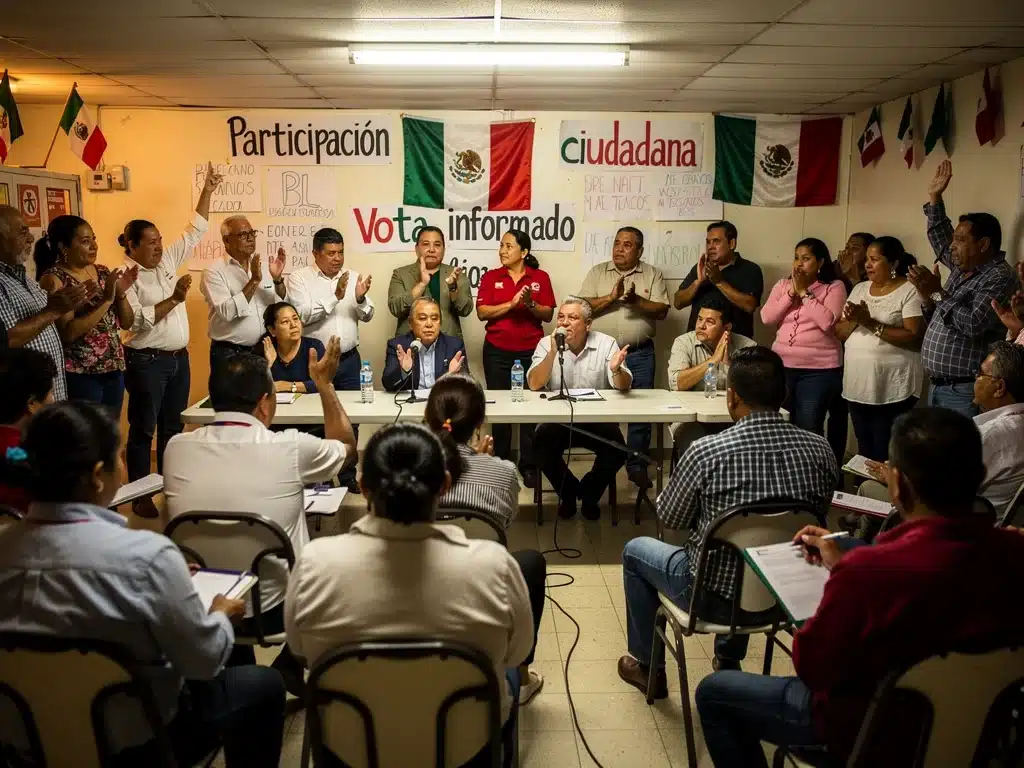
Civil society organizations, academic institutions, and human rights groups have been particularly vocal. Many have issued detailed analyses and organized protests, highlighting the risks they perceive in certain reform proposals.
These groups play a critical role in scrutinizing legislative processes and advocating for reforms that genuinely strengthen, rather than weaken, democratic participation. Their engagement is central to understanding the full Mexico Electoral Reforms 2026.
Diverse Perspectives on Reform
- Pro-Reform Arguments: Focus on cost reduction, anti-corruption measures, and perceived efficiency improvements within the electoral system.
- Anti-Reform Arguments: Emphasize concerns over institutional independence, potential for political interference, and risks to democratic pluralism.
- Civil Society Engagement: Active participation through public forums, legal challenges, and advocacy campaigns to influence the legislative outcome.
The ongoing public discourse reflects the deep importance Mexicans place on their democratic processes. The outcome of these debates will undoubtedly shape the political culture for years to come.
The ability of the government to address these concerns transparently and inclusively will be a key determinant of whether the reforms are ultimately accepted and effective. This engagement is vital for a legitimate Mexico Electoral Reforms 2026.
International Perspectives and Regional Comparisons
The Mexico Electoral Reforms 2026 are not occurring in isolation; they are being closely watched by the international community. Regional organizations and democratic governance bodies often offer guidance and best practices based on experiences in other countries.
Comparisons with electoral reforms undertaken in other Latin American nations reveal both successes and pitfalls. Lessons learned from these experiences can provide valuable insights for Mexico as it navigates its own reform process.
International scrutiny can serve as an important safeguard, ensuring that reforms align with universal democratic principles and do not inadvertently undermine fundamental rights. This external perspective adds another layer to the understanding of the Mexico Electoral Reforms 2026.
Global and Regional Context
Many countries periodically review and adjust their electoral laws to reflect evolving societal needs and technological advancements. Mexico’s reforms are part of this broader global trend towards refining democratic mechanisms.
However, the specific political context and historical trajectory of each nation mean that reforms must be tailored. What works in one country may not be suitable for another, emphasizing the need for careful consideration.
The dialogue with international bodies and experts can enrich the reform process, offering alternative viewpoints and helping to identify potential unintended consequences. This collaboration is crucial for a well-rounded Mexico Electoral Reforms 2026.
Looking Ahead: The Road to 2026 Elections
The legislative process for the Mexico Electoral Reforms 2026 is dynamic and subject to ongoing adjustments. The final shape of these reforms will significantly influence the political landscape leading up to the next federal elections.
Political actors, civil society, and the electorate will need to adapt to the new rules and procedures. This period of transition will test the resilience of Mexico’s democratic institutions and the commitment of its citizens to participate.
Monitoring the implementation phases, along with any legal challenges or further legislative modifications, will be crucial.
The ultimate success of these reforms will be measured by their ability to foster a more inclusive, transparent, and robust democratic process, defining the Mexico Electoral Reforms 2026.
The discussions and debates surrounding the reforms underscore the vibrant nature of Mexican democracy. While challenges exist, the engagement of various stakeholders suggests a collective commitment to democratic ideals.
The upcoming years will be pivotal for Mexico, as these reforms move from legislative proposals to practical application. The nation watches to see how these changes will ultimately shape its political future and the degree of political participation.
| Key Aspect | Brief Description |
|---|---|
| INE Restructuring | Proposed changes to the National Electoral Institute’s budget and counselor selection process. |
| Campaign Finance | Stricter spending limits and increased oversight for political campaigns. |
| Voter Impact | Potential for both increased accessibility and decreased trust, affecting turnout. |
| Political Party Adaptation | Parties must adjust strategies to new rules on funding and campaigning. |
Frequently Asked Questions about Mexico’s Electoral Reforms
The primary objectives of the Mexico Electoral Reforms 2026 include reducing electoral costs, enhancing transparency in campaign financing, and potentially streamlining the operations of the National Electoral Institute (INE). Proponents aim to foster greater equity and efficiency in the electoral process, influencing political participation.
The reforms could have a dual impact on voter turnout. If perceived as enhancing transparency and fairness, they might boost participation. However, if changes to independent electoral bodies are viewed as compromising their autonomy, public trust could erode, potentially leading to lower voter engagement and impacting political participation.
Political parties will face significant challenges, including adapting to stricter campaign finance limits and potential changes in electoral rules governing representation. These adjustments will necessitate new strategies for resource allocation, voter outreach, and coalition building, all affecting their political participation.
The National Electoral Institute (INE) is central to the reforms, with proposals targeting its budget and the selection process of its counselors. Maintaining the INE’s independence is crucial for ensuring fair elections and public confidence, which directly influences the overall Mexico Electoral Reforms 2026.
Civil society organizations in Mexico have voiced both support and concern, actively participating in debates and advocacy. International bodies are closely monitoring the reforms, emphasizing adherence to democratic principles and the importance of independent electoral oversight, all contributing to the Mexico Electoral Reforms 2026.
Impact and Implications
The Mexico Electoral Reforms 2026 represent a critical juncture for the nation’s democratic development. The ongoing legislative process and public discourse highlight the complexities involved in balancing efficiency with democratic safeguards.
As these reforms take shape, their true impact on political participation will become clearer, influencing how citizens engage with their government and how political power is contested.
The coming months will be crucial for observing the practical implementation and the responses from various stakeholders.
Ultimately, the success of these reforms will hinge on their ability to strengthen democratic institutions, enhance public trust, and genuinely foster broader and more meaningful political participation across Mexico.