Mexico's Agricultural Export Revenues Surge 7%: Market Share Expands
Advertisements
Expanding your supply chain network across North America requires monitoring how cross-border trade flows drive fresh produce availability. Capturing a higher share of Mexico's Agricultural Export market allows major grocery retailers and distributors to secure high-demand crops while optimizing regional distribution channels.
Surging revenue growth across fresh fruit, vegetable, and beverage sectors underscores the strength of modern cross-border farming logistics. Upgraded cold-chain infrastructure and streamlined customs clearing enable Mexican growers to meet shifting consumer preferences across key North American markets.
Capitalizing on trade momentum helps agribusiness leaders manage inventory costs and protect profit margins. Here is how expanded produce shipments are reshaping supply chain dynamics and market access across the continent.
Understanding the 7% Revenue Surge in Mexico Agricultural Exports
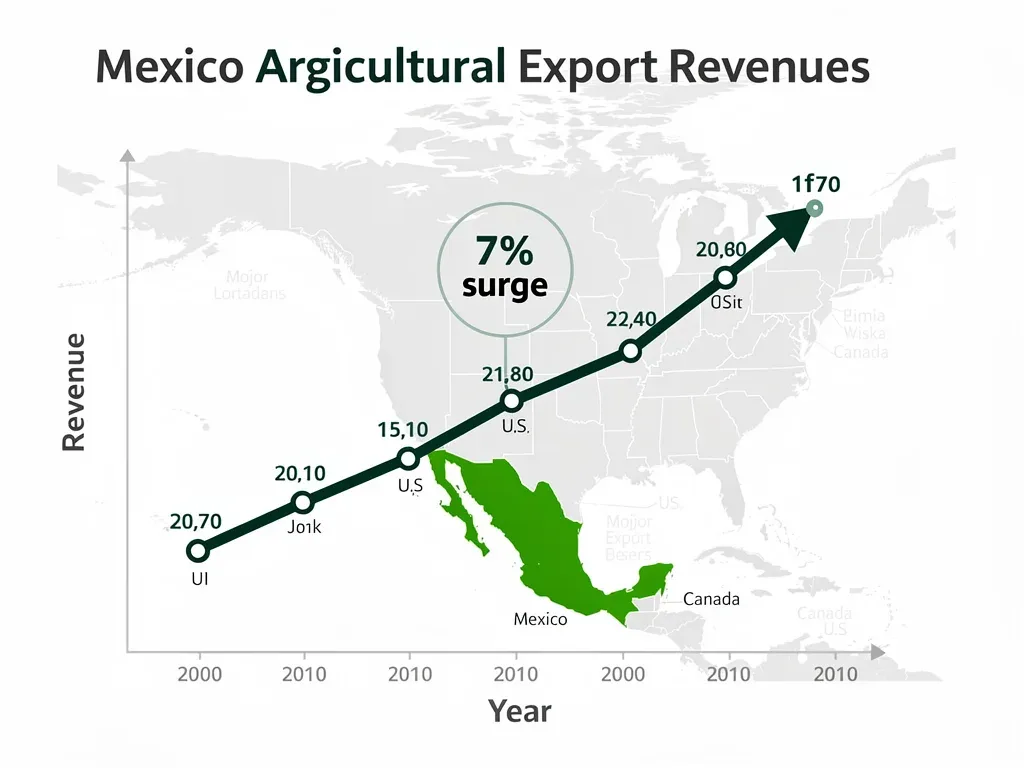
The recent announcement detailing a 7% surge in Mexico's agricultural export revenues has captured significant attention across North America. This impressive growth highlights the increasing strength and competitiveness of Mexico's agricultural sector.
This surge represents a substantial increase in the value of agricultural products shipped from Mexico, primarily to markets in the United States and Canada. It underscores a strategic expansion of Mexico's produce market share, driven by a combination of factors.
Analysts are closely examining the data to pinpoint the specific commodities and regions contributing most to this revenue increase. Initial reports suggest a broad-based growth, with key produce items leading the charge.
Key Drivers Behind the Export Growth
Several critical factors have converged to fuel the current boom in Mexico agricultural exports. These include enhanced agricultural practices, significant infrastructure investments, and favorable climatic conditions that support diverse crop production.
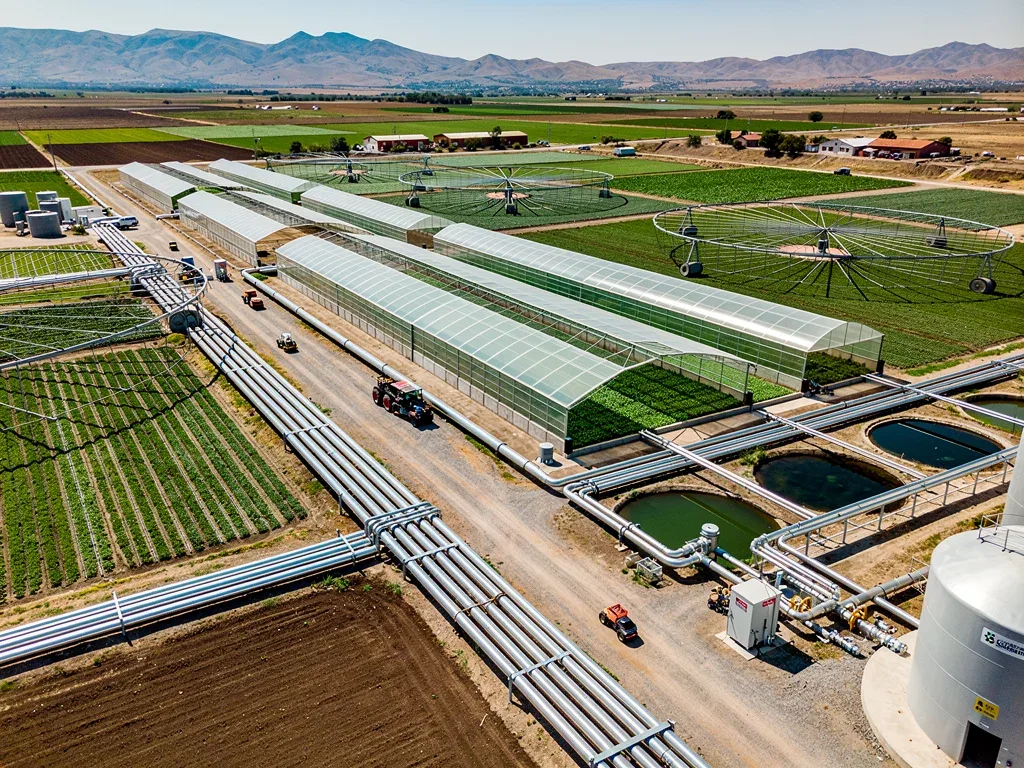
Modernization of farming techniques, including advanced irrigation and greenhouse technologies, has allowed Mexican producers to increase yields and improve product quality. This has made Mexican produce more attractive to international buyers, especially those in North America.
Furthermore, strategic government initiatives aimed at supporting agricultural development and promoting export-oriented policies have played a crucial role. These policies have streamlined trade processes and reduced barriers, making it easier for Mexican producers to access foreign markets.
Technological advancements in farming and cultivation.
Strategic government support and favorable trade policies.
Increased demand for fresh produce in North America.
Improved logistics and supply chain efficiency.
Mexico's Expanding Produce Market Share Across North America
The expansion of Mexico's produce market share across North America is a direct consequence of its growing export revenues. This trend signifies a shift in regional agricultural dynamics, with Mexico becoming an indispensable supplier.
Mexican fresh produce, ranging from avocados and berries to bell peppers and tomatoes, now occupies a larger shelf space in supermarkets throughout the United States and Canada. This presence is a testament to consistent quality and reliable supply chains.
This market penetration is also being driven by consumer preferences for fresh, year-round produce, which Mexico is uniquely positioned to provide due to its diverse climate zones and agricultural seasons.
Impact on U.S. and Canadian Markets
The increased influx of Mexico agricultural exports has a multifaceted impact on the U.S. and Canadian markets. Consumers benefit from a wider variety of fresh produce available year-round, often at competitive prices.
For domestic producers in the U.S. and Canada, the growing competition from Mexico agricultural exports presents both challenges and opportunities. While some may face increased pressure, others are exploring collaborative ventures or specializing in niche markets.
Retailers and distributors, on the other hand, benefit from diversified sourcing options, which enhance supply chain resilience and reduce dependency on single-origin supplies. This ensures a more stable and varied offering for consumers.
Strategic Investments Fueling Agricultural Export Revenues
The remarkable surge in Mexico agricultural exports is not accidental; it is the result of deliberate and strategic investments. Both public and private sectors have injected significant capital into improving agricultural capabilities.
These investments span various areas, including research and development for new crop varieties, expansion of cultivation areas, and the adoption of sustainable farming practices. Such efforts ensure long-term productivity and environmental stewardship.
Furthermore, investments in post-harvest handling, packaging, and cold chain logistics have been crucial. These improvements minimize spoilage and maintain product freshness, which is vital for high-value produce exports.
Infrastructure Development and Modernization
Infrastructure development plays a pivotal role in supporting the growth of Mexico agricultural exports. Improvements in transportation networks, including roads, ports, and border crossings, have facilitated quicker and more efficient movement of goods.
Modernization efforts extend to storage facilities and distribution centers, which are now equipped with advanced technologies to handle large volumes of produce. This ensures that products reach their destination in optimal condition, preserving quality and value.
The integration of digital technologies in logistics and supply chain management has also streamlined operations. This allows for real-time tracking and more responsive adjustments to market demands, further boosting the efficiency of Mexico agricultural exports.
Trade Agreements and Policy Support for Mexico Agricultural Exports
Trade agreements have been instrumental in fostering the growth of Mexico agricultural exports. The United States-Mexico-Canada Agreement (USMCA) provides a stable and predictable framework for agricultural trade between the three nations.
This agreement, building on its predecessor NAFTA, has largely eliminated tariffs and reduced non-tariff barriers, creating a more level playing field for Mexican producers. The certainty provided by such agreements encourages long-term investment and planning.
Beyond USMCA, Mexico has also pursued other bilateral and multilateral trade agreements, diversifying its export markets and reducing reliance on any single trading partner. This strategic approach strengthens the overall resilience of its agricultural export sector.
Government Initiatives and Export Promotion
The Mexican government has actively implemented various initiatives to promote agricultural exports. These programs often include financial incentives, technical assistance, and marketing support for producers aiming to enter international markets.
Export promotion agencies work to connect Mexican farmers with foreign buyers, participate in international trade fairs, and conduct market research to identify new opportunities. These efforts are crucial for sustaining the momentum of Mexico agricultural exports.
Moreover, policies focused on food safety and quality standards help ensure that Mexican produce meets the stringent requirements of international markets. Adherence to these standards builds trust among consumers and importers, reinforcing Mexico's reputation as a reliable supplier.
Commodities Driving the Surge in Agricultural Export Revenues
A diverse range of agricultural commodities is contributing to the 7% surge in Mexico agricultural exports. While some traditional products continue to perform strongly, emerging categories are also showing significant growth.
Avocados remain a flagship export, with consistent high demand in North America. Berries, including strawberries, blueberries, and raspberries, have also seen remarkable increases in production and export volume, driven by health-conscious consumer trends.
Other key contributors include tomatoes, bell peppers, cucumbers, and various tropical fruits. The ability of Mexican producers to offer a wide variety of high-quality produce year-round is a major competitive advantage.
The Role of High-Value Crops
High-value crops are particularly significant in boosting Mexico agricultural exports revenue. These crops often command premium prices and require specialized cultivation techniques, which Mexican farmers have increasingly adopted.
Organic produce, for example, represents a growing segment within high-value crops, with Mexican producers expanding their certified organic offerings. This caters to a niche but expanding market of environmentally conscious consumers.
The focus on high-value crops also encourages innovation in agricultural practices and greater investment in technology. This strategic shift maximizes revenue per acre and enhances the overall profitability of Mexico agricultural exports.
Challenges and Opportunities in Sustaining Export Growth
While the 7% surge in Mexico agricultural exports is commendable, the sector faces several challenges in sustaining this growth. These include climate change impacts, water scarcity, and evolving international trade regulations.
Climate variability poses a significant threat to agricultural productivity, requiring adaptive strategies and resilient crop varieties. Water management remains a critical issue, particularly in arid regions, necessitating efficient irrigation technologies.
Navigating complex and sometimes shifting international trade regulations also presents ongoing hurdles for Mexican exporters. Staying abreast of these changes is essential for maintaining market access and competitiveness.
Leveraging Technology and Sustainability
To overcome these challenges and seize new opportunities, leveraging technology and embracing sustainability are paramount for Mexico agricultural exports. Precision agriculture, powered by AI and IoT, can optimize resource use and boost yields.
Sustainable farming practices, such as organic cultivation, reduced pesticide use, and soil conservation, not only address environmental concerns but also enhance market appeal. Consumers are increasingly willing to pay more for sustainably produced goods.
Furthermore, investing in renewable energy sources for agricultural operations can reduce operational costs and carbon footprints. These measures contribute to a more resilient and environmentally friendly agricultural sector, ensuring the long-term viability of Mexico agricultural exports.
Future Outlook: What's Next for Mexico's Produce Market Share
The future outlook for Mexico's produce market share in North America appears robust, with continued growth anticipated. The current momentum suggests that Mexico will further solidify its position as a leading agricultural supplier.
Ongoing investments in technology, infrastructure, and sustainable practices are expected to drive further efficiency and productivity gains. This will enable Mexican producers to meet the increasing demand for fresh produce.
However, geopolitical shifts, economic fluctuations, and environmental challenges will require continuous adaptation and strategic planning. The ability to respond flexibly to these dynamics will be key to sustaining growth in Mexico agricultural exports.
Emerging Trends and Market Diversification
Emerging trends, such as the demand for plant-based foods and specialty crops, present new avenues for Mexico agricultural exports. Exploring these niches can open up additional revenue streams and diversify the export portfolio.
Market diversification beyond North America, particularly into European and Asian markets, also represents a significant opportunity. Expanding into new regions can mitigate risks associated with over-reliance on a single market.
Continued collaboration between government, industry, and research institutions will be vital for identifying and capitalizing on these emerging trends. Such partnerships can foster innovation and ensure that Mexico agricultural exports remain competitive on a global scale.
Key Point | Brief Description |
|---|---|
Revenue Surge | Mexico's agricultural export revenues increased by 7%. |
Market Share | Significant expansion of produce market share across North America. |
Key Drivers | Investments, advanced farming, and favorable trade policies. |
Future Outlook | Continued growth expected with focus on sustainability and diversification. |
Frequently Asked Questions About Mexico's Agricultural Export Growth
What is the main reason for the 7% surge in Mexico's agricultural exports?▼
The surge is primarily attributed to a combination of strategic investments in agricultural technology and infrastructure, favorable trade agreements like USMCA, and strong consumer demand for fresh produce in North America. These factors have collectively enhanced Mexico's production capacity and market access.
Which agricultural products are driving this export growth?▼
High-value crops such as avocados, various berries (strawberries, blueberries, raspberries), tomatoes, and bell peppers are significant contributors to the increased agricultural export revenues. These commodities benefit from year-round production capabilities and strong international demand.
How does this impact consumers in the U.S. and Canada?▼
Consumers in the U.S. and Canada benefit from a wider variety of fresh, high-quality produce available throughout the year, often at competitive prices. This expanded availability enhances food choices and promotes healthier eating habits by ensuring consistent supply.
What role do trade agreements play in this expansion?▼
Trade agreements, particularly the USMCA, are crucial. They provide a stable framework by reducing tariffs and non-tariff barriers, which facilitates smoother trade flows and encourages investment in the Mexican agricultural sector, thereby boosting exports to North America.
What are the future prospects for Mexico's agricultural market share?▼
The future prospects are positive, with continued growth expected. Mexico aims to sustain this by focusing on technological adoption, sustainable practices, and market diversification beyond North America. Addressing climate challenges and evolving regulations will be key to long-term success.
Looking Ahead
The impressive 7% surge in Mexico agricultural exports signals a robust and evolving economic landscape. This growth is not merely a transient phenomenon but reflects a strategic positioning within the North American market.
Stakeholders should closely monitor policy developments, particularly regarding trade and environmental regulations, as these will significantly shape future trends.
The continued emphasis on sustainable practices and technological integration will be crucial for Mexico to maintain its competitive edge and further expand its produce market share, adapting to global demands and challenges.