Mexico Manufacturing Sector: 2026 Projections & Nearshoring Impact
Advertisements
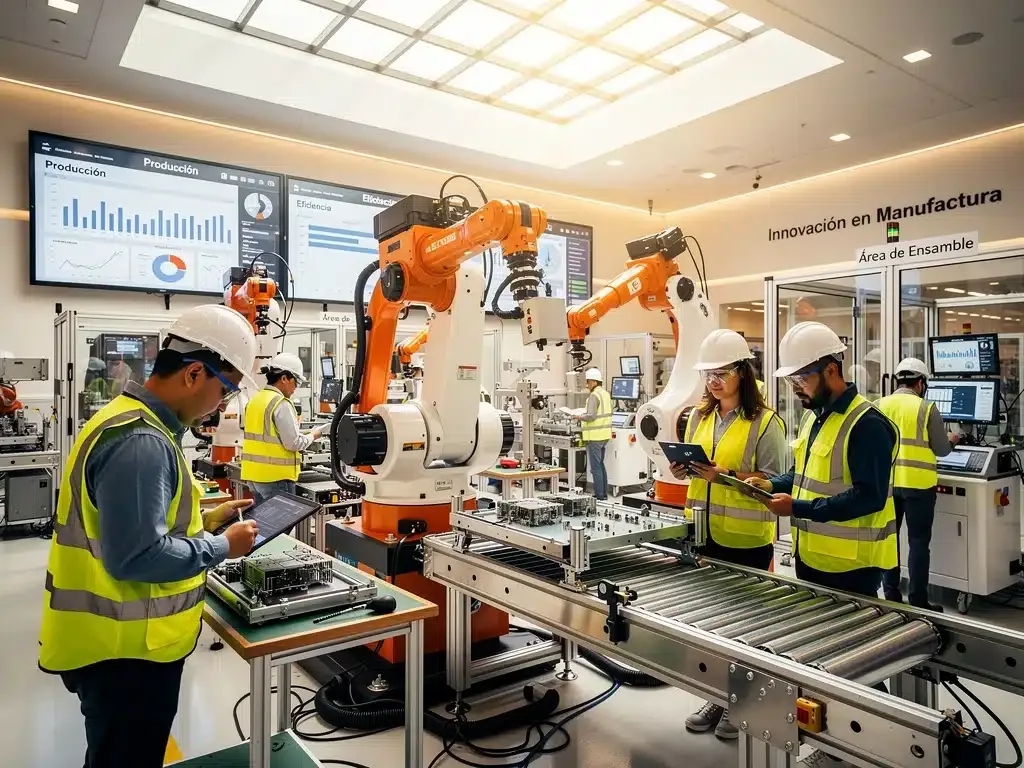
Mexico’s manufacturing sector outlook remains mixed as nearshoring supports investment interest while production loses momentum. INEGI estimated that manufacturing activity fell 0.8% year over year in June 2026.
Trade remains a major source of strength: Mexico reported exports of about US$71.7 billion and imports of US$67.1 billion in April 2026. Research from Banco de México also indicates early manufacturing job gains linked to nearshoring, although broad wage and productivity improvements remain limited.
Readers should monitor industrial output, foreign investment, skilled-labor availability, energy and logistics capacity, and future North American trade decisions. These factors will determine whether Mexico converts supply-chain relocation into sustained manufacturing growth and better employment conditions.
Nearshoring’s Unprecedented Boost to Mexican Manufacturing
Nearshoring, defined as relocating business operations to closer countries, has emerged as a pivotal driver for Mexico’s manufacturing sector. This strategic shift is primarily fueled by geopolitical tensions, supply chain vulnerabilities exposed during the pandemic, and the inherent advantages Mexico offers.
Proximity to the U.S. market, competitive labor costs, and a growing skilled workforce make Mexico an attractive destination for companies seeking to optimize their supply chains. The benefits extend beyond logistics, encompassing reduced lead times and enhanced operational flexibility.
The influx of foreign investment associated with nearshoring is not just about new factories; it’s about integrating Mexico deeper into global value chains. This integration promises to elevate the technological capabilities and production sophistication of the entire sector.
Driving Factors Behind the Nearshoring Wave
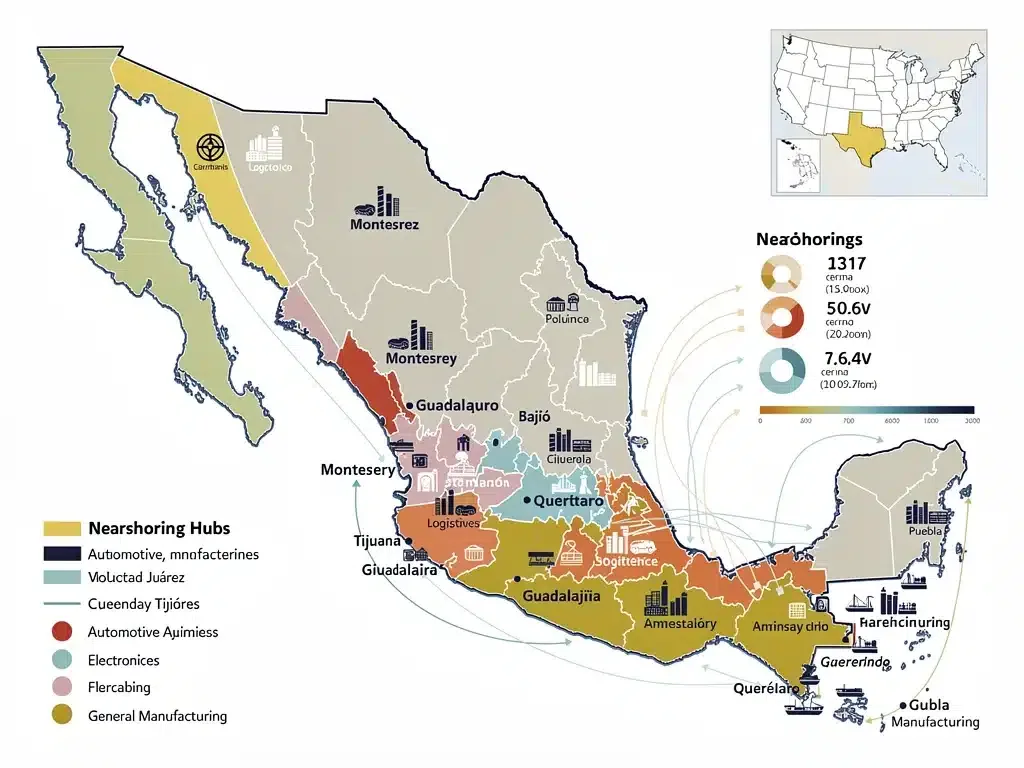
Several key factors are converging to accelerate the nearshoring trend into Mexico. These include the established trade agreements like USMCA, which provide a stable and predictable regulatory environment for businesses operating within North America.
Furthermore, the rising costs of manufacturing in Asia, coupled with increasing shipping expenses and extended transit times, are making Mexico a more economically viable option. Companies are actively seeking ways to mitigate risks and enhance resilience in their production networks.
The Mexican government’s proactive efforts to attract foreign investment through various incentives and infrastructure development also play a crucial role. These combined elements create a compelling case for businesses to choose Mexico as their next manufacturing hub.
- Geographic proximity to major consumer markets, particularly the United States.
- Favorable trade agreements such as USMCA, offering tariff advantages and stable regulatory frameworks.
- Access to a competitive, skilled, and increasingly educated labor force.
- Reduced logistical costs and shorter supply chain lead times compared to overseas production.
2026 Projections: A Landscape of Growth and Opportunity
Forecasts for Manufacturing Sector indicate robust expansion. Experts predict a significant uptick in production capacity, technological adoption, and overall economic contribution from the sector.
The manufacturing industry is expected to diversify further, moving beyond traditional automotive and electronics into higher-value segments. This diversification will attract more sophisticated investments and foster greater innovation within the country.
This growth trajectory is not without its challenges, but the prevailing sentiment among analysts is overwhelmingly positive. Mexico is seen as being on the cusp of a manufacturing renaissance, driven by these strategic global shifts.
Anticipated Economic Impact and Sectoral Shifts
The economic impact of this projected growth is multifaceted, touching various aspects of the Mexican economy. Increased manufacturing activity will stimulate ancillary industries, from logistics and construction to energy and raw materials supply.
Specific sectors like automotive, aerospace, medical devices, and electronics are expected to experience particularly strong growth. These industries are highly attractive to nearshoring due to their complex supply chains and the need for close collaboration with end markets.
The shift will also encourage greater domestic investment in infrastructure and technology. This internal development is crucial for sustaining long-term growth and ensuring that Mexico remains competitive on the global stage.
- Significant capital investment in new manufacturing facilities and expansion of existing ones.
- Increased demand for industrial real estate and supporting infrastructure.
- Growth in high-tech manufacturing, including advanced robotics and automation.
- Enhanced integration into global supply chains, increasing Mexico’s strategic importance.
Job Creation: The 15% Surge and its Implications
A key projection for Manufacturing Sector is the creation of a substantial number of new jobs. This 15% increase represents hundreds of thousands of employment opportunities across various skill levels.
This job growth will not only absorb new entrants into the workforce but also provide opportunities for upskilling and reskilling existing employees. The demand for technicians, engineers, and skilled operators is expected to surge, necessitating robust educational and training programs.
The impact of this job creation will be felt across numerous regions, particularly in established industrial hubs and emerging nearshoring zones. It promises to improve living standards and foster greater economic stability for many Mexican families.
Addressing the Workforce Demands of a Growing Sector
Meeting the demand for a rapidly expanding manufacturing workforce requires strategic planning and investment in human capital. Educational institutions and vocational training centers are adapting their curricula to align with industry needs.
Collaboration between the private sector, government, and academic institutions is essential to develop tailored programs that address specific skill gaps. This partnership approach ensures that the new jobs created can be filled by a well-prepared and competent workforce.
Furthermore, attracting and retaining talent will be crucial, necessitating competitive wages and attractive working conditions. The focus is not just on quantity but also on the quality of employment generated by nearshoring initiatives.
- Development of specialized vocational training programs for high-demand manufacturing roles.
- Increased enrollment in engineering and technical degree programs.
- Government initiatives to incentivize talent development and retention in key industrial areas.
- Focus on improving labor conditions and offering competitive compensation packages.
Challenges and Opportunities in Workforce Development
While the prospect of 15% job creation is highly positive, it also presents challenges in workforce development. Ensuring a sufficient supply of skilled labor to meet the demands of advanced manufacturing is paramount for sustained growth.
Bridging the gap between current educational outputs and industry requirements will necessitate continuous investment in training and education. This is a collaborative effort involving various stakeholders, including government, industry, and academia.
The opportunity lies in transforming Mexico’s labor force into a highly competitive asset, capable of supporting complex manufacturing processes. This includes fostering innovation and adaptability among workers to embrace new technologies.
Strategic Initiatives for Skill Enhancement
Several strategic initiatives are underway to enhance the skills of the Mexican workforce. These include expanding technical education programs, promoting apprenticeships, and establishing industry-specific training centers.
Companies are also investing in internal training programs to upskill their employees, ensuring they remain competitive in an evolving manufacturing landscape. The focus is on practical, hands-on training that directly addresses industry needs.
Furthermore, international partnerships and knowledge transfer programs are playing a vital role in bringing global best practices to Mexico. These efforts collectively aim to create a dynamic and highly capable manufacturing workforce.
Infrastructure Development to Support Nearshoring
The success of Manufacturing Sector hinges significantly on robust infrastructure development. Adequate transportation networks, energy supply, and digital connectivity are critical for attracting and retaining manufacturing investments.
Investments in highways, railways, and port facilities are essential to ensure the efficient movement of goods and raw materials. Reliable and affordable energy is also a non-negotiable requirement for industrial operations, necessitating upgrades to the national grid.
Moreover, the expansion of high-speed internet and digital infrastructure is crucial for modern manufacturing, which increasingly relies on automation, data analytics, and interconnected systems. These infrastructure improvements are foundational to Mexico’s nearshoring appeal.
Key Infrastructure Projects Underway
Numerous infrastructure projects are either underway or in the planning stages to support the burgeoning manufacturing sector. These include expanding existing industrial parks, developing new logistical corridors, and enhancing cross-border trade facilities.
Investments in renewable energy sources are also gaining traction, aiming to provide sustainable and cost-effective power to manufacturing plants. This aligns with global trends towards greener production and enhances Mexico’s appeal to environmentally conscious investors.
The modernization of customs procedures and digital platforms is also streamlining trade operations, reducing bureaucratic hurdles for businesses. These comprehensive infrastructure improvements are vital for Mexico to capitalize fully on the nearshoring opportunity.
Government Policies and Incentives for Investment
Government policies and incentives play a crucial role in shaping the investment landscape for Manufacturing Sector. Clear, stable, and attractive policies are essential for drawing foreign capital.
The Mexican government actively promotes policies that reduce administrative burdens and offer tax benefits to companies that establish or expand manufacturing operations. These measures are designed to create a favorable business environment.
Furthermore, efforts to ensure legal certainty and protect investments are paramount. A predictable regulatory framework provides confidence to international businesses considering Mexico as a manufacturing base.
Frameworks Supporting Foreign Direct Investment
Mexico’s commitment to international trade agreements, such as USMCA, provides a robust framework for foreign direct investment. These agreements offer preferential access to key markets and ensure fair treatment for investors.
Special economic zones and industrial parks also provide tailored incentives, including streamlined permitting processes and access to shared infrastructure. These zones are strategically located to maximize logistical advantages.
Ongoing dialogue between the government and industry stakeholders helps refine policies to meet evolving business needs. This collaborative approach ensures that Mexico remains responsive and competitive in attracting manufacturing investment.
Regional Impact and Development Hotspots
The impact of Manufacturing Sector is not uniform across the country. Certain regions are emerging as key development hotspots, attracting a disproportionate share of nearshoring investments.
Northern states, due to their direct border with the U.S., continue to be prime locations for manufacturing, benefiting from established infrastructure and cross-border logistics. States like Nuevo León, Chihuahua, and Baja California are experiencing rapid industrial growth.
However, central Mexico, including states like Jalisco, Guanajuato, and Querétaro, is also witnessing significant expansion, particularly in high-tech and automotive sectors. These regions offer a skilled labor force and well-developed industrial ecosystems.
Emerging Industrial Corridors and Urban Growth
Beyond the traditional manufacturing centers, new industrial corridors are emerging, driven by strategic infrastructure projects and targeted government initiatives. These new areas aim to distribute economic benefits more broadly across the country.
The growth of manufacturing in these hotspots is leading to significant urban development, including housing, services, and retail. This creates a ripple effect, boosting local economies and improving quality of life for residents.
Careful urban planning and sustainable development practices are crucial to manage this rapid growth effectively. The goal is to ensure that industrial expansion is integrated harmoniously with community development.
Future Outlook and Sustaining the Momentum
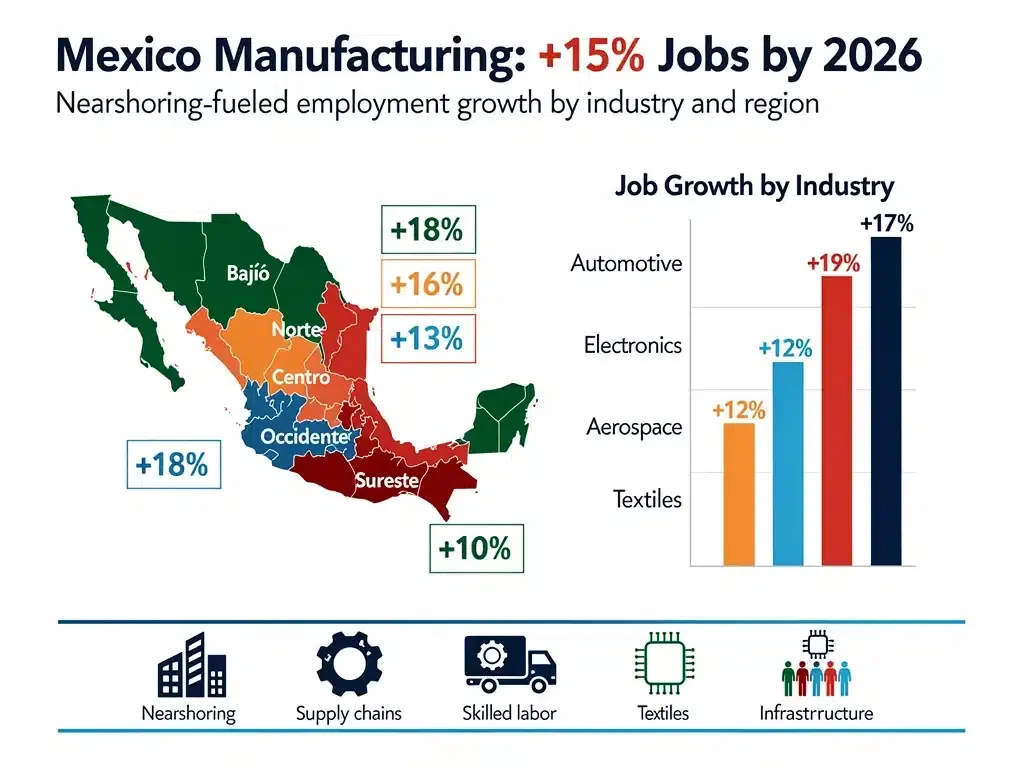
The future outlook for Manufacturing Sector remains highly promising. The momentum generated by nearshoring is expected to continue beyond 2026, solidifying Mexico’s position as a global manufacturing hub.
Sustaining this momentum will require ongoing investment in infrastructure, human capital, and technological innovation. Mexico must continue to adapt to global economic shifts and maintain a competitive edge.
The long-term vision involves not just attracting foreign investment but also fostering a vibrant domestic manufacturing ecosystem. This includes supporting local suppliers, promoting R&D, and developing homegrown industrial capabilities.
Navigating Global Economic Headwinds
While the prospects are bright, Mexico’s manufacturing sector must also navigate potential global economic headwinds. These include international trade policy shifts, global economic slowdowns, and evolving technological paradigms.
Diversifying export markets and strengthening domestic consumption can help mitigate external vulnerabilities. Furthermore, embracing advanced manufacturing techniques, such as Industry 4.0, will be crucial for maintaining competitiveness.
Continuous monitoring of global supply chain trends and geopolitical developments will allow Mexico to proactively adjust its strategies. This adaptability is key to ensuring the sustained growth and resilience of its manufacturing sector.
| Key Point | Brief Description |
|---|---|
| Nearshoring Impact | Relocation of operations to Mexico driving significant manufacturing growth. |
| 2026 Projections | Forecasted robust expansion, diversification, and increased economic contribution. |
| Job Creation | Anticipated 15% surge in employment across various skill levels by 2026. |
| Infrastructure Needs | Essential investments in transport, energy, and digital connectivity critical for growth. |
Frequently Asked Questions About Mexico’s Manufacturing Growth
What is nearshoring and how does it affect Mexico?▼Nearshoring is the practice of relocating business operations to a nearby country, primarily driven by supply chain resilience and cost efficiency. For Mexico, it means a significant influx of foreign investment and manufacturing capacity, profoundly boosting its industrial sector and job market.
What are the job creation projections for Mexico’s manufacturing sector by 2026?▼Current projections indicate a substantial 15% increase in job creation within Mexico’s manufacturing sector by 2026. This surge is directly attributable to nearshoring trends and is expected to generate hundreds of thousands of new employment opportunities across various industries and skill levels.
Which industries in Mexico are benefiting most from nearshoring?▼Key industries benefiting from nearshoring in Mexico include automotive, aerospace, electronics, and medical devices. These sectors are attracting significant investment due to Mexico’s strategic location, skilled workforce, and established industrial ecosystems, enhancing their global competitiveness.
What infrastructure improvements are critical for sustaining this growth?▼Critical infrastructure improvements include upgrades to transportation networks (highways, railways, ports), ensuring a reliable and affordable energy supply, and expanding digital connectivity. These enhancements are essential to support the increased operational demands of a growing manufacturing base.
How is Mexico addressing the demand for a skilled workforce?▼Mexico is addressing workforce demand through expanded vocational training, industry-academia partnerships, and government incentives for skill development. These initiatives aim to align educational outcomes with industry needs, ensuring a continuous supply of qualified professionals for the expanding manufacturing sector.
Looking Ahead
The unfolding narrative of Manufacturing Sector signals a pivotal moment for the nation’s economy. The strategic advantages offered by nearshoring are clearly translating into tangible growth and significant employment opportunities.
Stakeholders must continue to monitor policy developments, infrastructure investments, and workforce training initiatives closely.
The sustained success of this trajectory hinges on proactive adaptation and collaborative efforts between government and industry to solidify Mexico’s role as a leading global manufacturing powerhouse.