Mexico’s Nearshoring Boom: 5 Industries Driving 2026 Investment
Advertisements
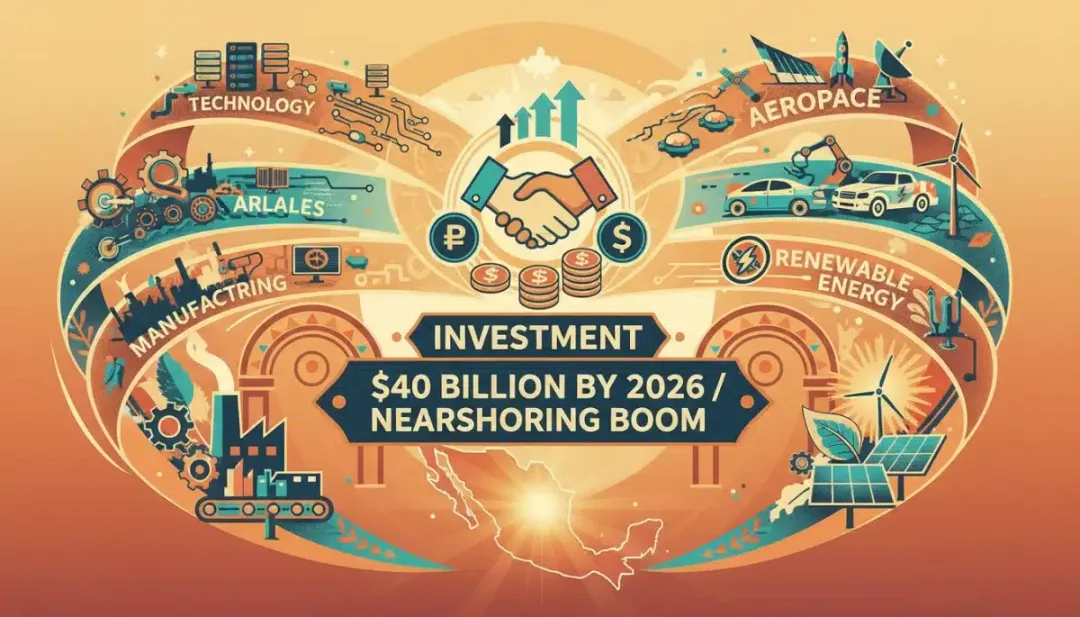
Mexico’s Nearshoring Boom is gaining momentum as companies shift production closer to the U.S. market, with 2026 investment focused on automotive and EV supply chains, electronics, aerospace, medical devices, and technology infrastructure. Mexico’s government also announced a public-private investment plan targeting about $323 billion through 2030, with major 2026 spending tied to infrastructure and development.
This matters because Mexico offers proximity to the United States, USMCA trade access, established manufacturing clusters, and a growing industrial workforce. However, analysts warn that electricity reliability, water stress, permitting, logistics, and policy certainty remain key constraints that could limit the full upside of nearshoring.
Looking ahead, readers should monitor the 2026 USMCA review, industrial park capacity, energy availability, infrastructure execution, and new investment approvals in strategic sectors. If Mexico resolves these bottlenecks, nearshoring could strengthen job creation, exports, and long-term competitiveness across North America.
The Automotive Sector: Driving Nearshoring Growth
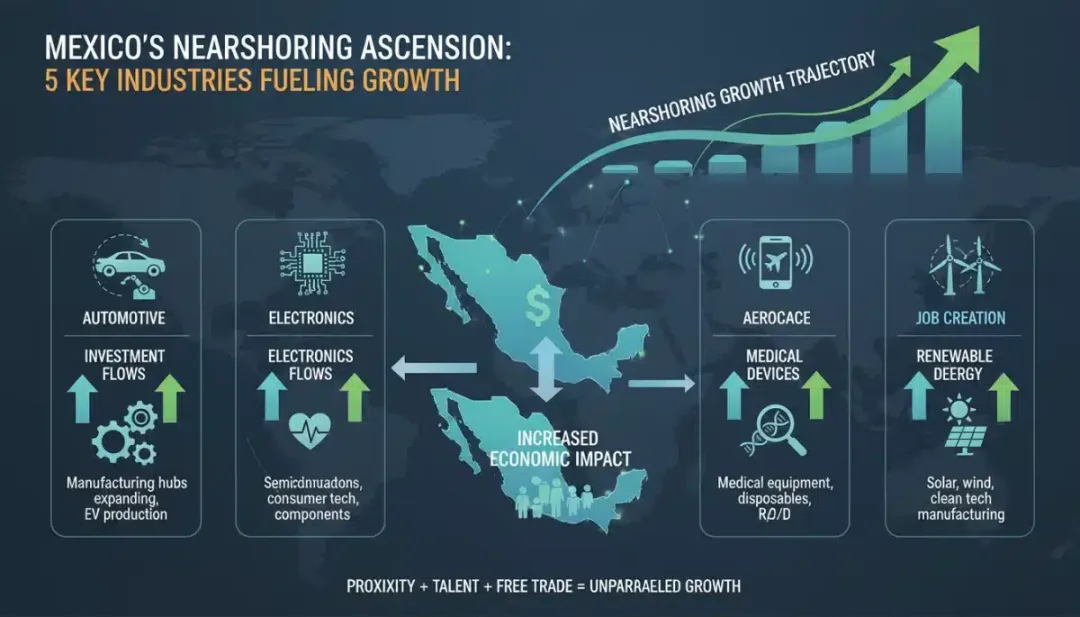
The automotive industry remains a cornerstone of Mexico’s manufacturing prowess, and nearshoring is injecting new life into this vital sector. Major global automakers and their suppliers are increasingly looking to Mexico to establish or expand production facilities, capitalizing on geographical proximity to North American markets.
This strategic relocation helps mitigate risks associated with distant supply chains, including shipping delays and rising logistical costs. The existing robust automotive ecosystem in Mexico, coupled with a skilled workforce, makes it an attractive hub for these substantial investments.
The projected $40 billion in investments by 2026 will see a significant portion directed towards enhancing automotive production capabilities, fostering innovation, and integrating advanced manufacturing technologies. This influx promises to solidify Mexico’s position as a global automotive manufacturing leader.
Reshaping the Supply Chain Landscape
The move towards nearshoring in the automotive sector is not merely about assembly; it involves a comprehensive restructuring of the entire supply chain.
Companies are seeking to localize component manufacturing, reducing reliance on overseas suppliers and enhancing operational agility.
This shift creates immense opportunities for Mexican enterprises to integrate into complex global value chains, supplying critical parts and services.
The emphasis on regionalized production fosters greater resilience against future disruptions, a lesson learned from recent global events.
Investment Hotspots and Key Players
- Monterrey, Nuevo León: A key hub for heavy industry and automotive components.
- Bajío Region (Guanajuato, Querétaro, Aguascalientes): Established automotive manufacturing corridor.
- Coahuila and Sonora: Growing regions attracting new investments in vehicle assembly and parts.
Leading automotive giants are announcing new plants and expansions, signaling strong confidence in Mexico’s nearshoring potential. These developments are not only creating direct jobs but also stimulating growth in ancillary industries, from logistics to technology services.
Electronics and High-Tech Manufacturing Expansion
The electronics and high-tech manufacturing sector is another significant beneficiary of Nearshoring Boom. Companies producing everything from consumer electronics to complex industrial equipment are opting for Mexican production bases.
The demand for faster time-to-market and reduced transportation costs, especially for high-value electronic components, makes Mexico an ideal choice. The country’s skilled labor force, particularly in engineering and technical fields, supports the sophisticated requirements of this industry.
Investments in this sector are expected to drive innovation, leading to the development of advanced manufacturing processes and the adoption of Industry 4.0 technologies. This positions Mexico as a crucial player in the global electronics supply chain.
Meeting Global Demand for Semiconductors and Devices
The global semiconductor shortage highlighted the vulnerabilities of concentrated supply chains, pushing companies to diversify their manufacturing footprint.
Mexico is emerging as a viable alternative, offering competitive advantages for semiconductor assembly, testing, and packaging (ATP) operations.
Beyond semiconductors, the production of various electronic devices, including computers, telecommunications equipment, and smart appliances, is seeing a migration to Mexican facilities. This trend is bolstered by strong trade agreements and a favorable business environment.
Key Growth Areas in Electronics
- Baja California: A long-standing hub for electronics assembly, especially for televisions and computer components.
- Jalisco (Guadalajara): Known as Mexico’s ‘Silicon Valley,’ attracting software development and high-tech manufacturing.
- Chihuahua: Emerging as a center for aerospace electronics and advanced industrial components.
The influx of capital into electronics manufacturing is creating a ripple effect, stimulating educational programs aimed at developing specialized talent and fostering a robust ecosystem for technological advancement. This supports the broader goals of Nearshoring Boom.
Aerospace Industry: Soaring to New Heights
The aerospace industry in Mexico, already a significant player, is poised for further expansion through nearshoring initiatives. The precise manufacturing requirements and high-value components of aerospace production find a fitting environment in Mexico’s specialized industrial parks.
Companies producing aircraft parts, maintenance services, and even some assembly operations are increasingly choosing Mexico due to its strategic location and competitive operational costs. This sector demands stringent quality controls and highly skilled labor, areas where Mexico has consistently demonstrated capability.
The projected $40 billion in investments will significantly boost Mexico’s capacity in aerospace manufacturing, attracting more global players and further integrating the country into the international aerospace supply chain. This is a testament to the strength of Nearshoring Boom.
Precision Manufacturing and Global Integration
Aerospace manufacturing involves complex processes, from machining and composites to advanced assembly.
Mexican companies are increasingly mastering these intricate techniques, becoming reliable partners for international aerospace firms.
The proximity to major aerospace hubs in the United States and Canada facilitates seamless logistics and collaboration, essential for an industry with demanding timelines and strict regulatory compliance. This integration enhances efficiency and reduces overall production costs.
Aerospace Clusters and Opportunities
- Querétaro: A leading aerospace cluster, known for its strong ecosystem of manufacturers, educational institutions, and research centers.
- Baja California: Significant for maintenance, repair, and overhaul (MRO) operations and component manufacturing.
- Chihuahua: Developing capabilities in aircraft parts and related services.
The growth in aerospace nearshoring is not just about manufacturing; it also involves significant investment in R&D and engineering capabilities.
This fosters a highly specialized workforce and encourages technological transfer, positioning Mexico as a key innovation hub.
Medical Devices: A Growing Hub for Healthcare Manufacturing
The medical device industry represents another critical component of Nearshoring Boom. The increasing global demand for medical equipment, coupled with the need for resilient supply chains, drives companies to establish manufacturing operations in Mexico.
Mexico offers a cost-effective manufacturing environment without compromising on quality or regulatory compliance, crucial factors in the highly regulated medical device sector. The country’s skilled workforce is capable of producing a wide range of medical products, from disposables to complex electronic devices.
The inflow of investments into this sector is expected to enhance Mexico’s capabilities in advanced medical manufacturing, contributing significantly to both the national economy and global healthcare supply needs. This demonstrates the broad impact of Nearshoring Boom.
Ensuring Quality and Regulatory Compliance
Manufacturing medical devices requires adherence to strict international standards and regulatory frameworks.
Mexico’s established infrastructure and experience in precision manufacturing make it well-suited to meet these demanding requirements.
Many international medical device companies have already successfully set up operations in Mexico, leveraging the favorable business environment and access to skilled labor. This track record builds confidence for new investors considering nearshoring options.
Key Regions for Medical Device Manufacturing
- Baja California: A prominent hub for medical device production, especially in Tijuana and Mexicali.
- Chihuahua: Growing presence in medical device manufacturing, attracting new investments.
- Jalisco: Developing capabilities in high-tech medical equipment and diagnostics.
The expansion of medical device manufacturing in Mexico is not only creating jobs but also fostering a culture of innovation and research in healthcare technologies. This contributes to the nation’s overall economic diversification and resilience.
Renewable Energy: Powering a Sustainable Future
The renewable energy sector is rapidly gaining momentum within Nearshoring Boom. As global efforts to combat climate change intensify, the demand for renewable energy technologies—such as solar panels, wind turbine components, and energy storage solutions—is surging.
Mexico’s abundant natural resources, including high solar irradiation and strong wind corridors, position it as an attractive location for manufacturing these technologies. Companies are looking to produce closer to evolving energy markets and benefit from competitive production costs.
Investments in this sector are crucial for Mexico’s energy transition, creating a sustainable industrial base while addressing global environmental concerns. This aligns with a broader vision for long-term economic and environmental sustainability.
Manufacturing Green Technologies for Global Markets
The nearshoring trend in renewable energy manufacturing encompasses the production of key components and systems for solar, wind, and other clean energy technologies.
This includes everything from photovoltaic cells and wind turbine blades to advanced battery storage systems.
By producing these technologies in Mexico, companies can reduce logistical costs and carbon footprints associated with long-distance shipping, making their products more competitive and environmentally friendly. This supports the global push for a greener economy.
Growth Prospects in Renewable Energy
- Northern Mexico: Ideal for solar panel manufacturing due to high solar irradiance.
- Coastal Regions: Suitable for wind turbine component production due to strong winds.
- Central Mexico: Developing capabilities in energy storage solutions and smart grid technologies.
The growth of renewable energy manufacturing is also fostering a skilled workforce in green technologies and stimulating research into sustainable industrial practices. This contributes to Mexico’s leadership in the regional clean energy transition.
The confluence of these five key industries underscores the multifaceted nature of Nearshoring Boom. Each sector brings unique contributions to the economic landscape, driving job creation, technological advancement, and a more resilient industrial base.
The strategic geographical position of Mexico, coupled with its robust trade agreements and skilled labor, creates an irresistible allure for international investors. This dynamic environment is setting the stage for sustained economic growth and transformation across the nation.
As these industries continue to evolve, Mexico is solidifying its role as a pivotal player in global manufacturing and supply chains.
The momentum generated by nearshoring is expected to have long-lasting positive effects on the country’s economic trajectory and international standing.
Infrastructure Development and Logistics Enhancement
The significant investment attributed to Nearshoring Boom necessitates substantial improvements in national infrastructure and logistics. The influx of manufacturing operations demands enhanced transportation networks, energy supply, and digital connectivity.
Both public and private sectors are actively investing in upgrading highways, railways, ports, and airports to facilitate the efficient movement of goods and raw materials. This infrastructure development is critical to supporting the increased industrial activity and ensuring seamless supply chain operations.
Robust logistics capabilities are a key competitive advantage for Mexico, enabling quick and cost-effective delivery of products to North American markets. These ongoing enhancements are fundamental to sustaining the nearshoring momentum and attracting future investments.
Modernizing Transportation Networks
The expansion of manufacturing in key industrial corridors requires a modernized and integrated transportation system.
Investments are targeting bottlenecks and improving connectivity between production sites, borders, and ports.
Specific projects include expanding rail capacity, optimizing customs procedures at border crossings, and developing intermodal logistics centers.
These initiatives are designed to reduce transit times and enhance the overall efficiency of Mexico’s supply chain.
Energy and Digital Infrastructure
- Increased investment in reliable and sustainable energy sources to power new industrial facilities.
- Expansion of high-speed internet and digital infrastructure to support advanced manufacturing and communication.
- Development of industrial parks with integrated services and utilities tailored for nearshoring companies.
These infrastructure developments are not merely responsive to current demand but are proactive measures to position Mexico for long-term growth in nearshoring.
They are essential for realizing the full potential of the $40 billion investment projection.
Government Policies and Economic Incentives
The Mexican government plays a crucial role in fostering Nearshoring Boom through supportive policies and economic incentives. These measures are designed to attract foreign direct investment, streamline regulatory processes, and ensure a stable business environment.
Policies focusing on trade facilitation, tax incentives, and labor market flexibility are instrumental in making Mexico an attractive destination for companies relocating their operations. The commitment to maintaining open trade relationships, particularly with the United States and Canada, reinforces investor confidence.
These governmental efforts are critical for sustaining the nearshoring trend and maximizing its economic benefits for the country. The proactive stance taken by authorities is a significant factor in the success of the nearshoring strategy.
Streamlining Business Operations
Efforts to simplify administrative procedures and reduce bureaucratic hurdles are underway, making it easier for foreign companies to establish and operate in Mexico.
This includes faster permit approvals and clearer guidelines for investment.
The government is also working to enhance legal certainty and protect intellectual property rights, addressing key concerns for international investors. These measures collectively improve the ease of doing business in Mexico.
Promoting a Skilled Workforce
- Investment in technical and vocational training programs to align labor skills with industry demands.
- Collaboration between educational institutions and private companies to develop specialized talent.
- Policies supporting labor mobility and ensuring a competitive wage structure.
The synergy between government policies and private sector investment is a powerful driver for the nearshoring boom. These concerted efforts are fundamental to achieving and potentially exceeding the $40 billion investment target by 2026.
The sustained growth in these five sectors, coupled with strategic infrastructure development and supportive government policies, paints a clear picture of Mexico’s economic trajectory. The nearshoring phenomenon is not a temporary trend but a fundamental shift in global manufacturing strategies.
As companies continue to re-evaluate their supply chains, Mexico’s advantages in location, workforce, and trade agreements will ensure its continued prominence. The projected $40 billion in investments by 2026 is a testament to this enduring appeal.
This economic transformation promises long-term benefits, from robust job creation to technological advancement, solidifying Mexico’s role as a vital hub in the global economy. The future looks bright for Nearshoring Boom.
| Key Sector | Investment Impact |
|---|---|
| Automotive | Significant relocation of production and supply chain enhancements. |
| Electronics | Growth in high-tech manufacturing, including semiconductors. |
| Aerospace | Expansion in precision manufacturing and MRO services. |
| Medical Devices | Increased production capacity for critical healthcare products. |
Frequently Asked Questions About Mexico’s Nearshoring Boom
What is driving Mexico’s nearshoring boom?▼Mexico’s nearshoring boom is primarily driven by global supply chain disruptions, geopolitical shifts, and the strategic advantage of proximity to the U.S. market. Companies seek reduced logistics costs, faster time-to-market, and greater supply chain resilience by relocating production.
Which industries are attracting the most investment?▼The five key industries attracting significant investment are automotive, electronics and high-tech manufacturing, aerospace, medical devices, and renewable energy. These sectors leverage Mexico’s skilled workforce, established industrial base, and favorable trade agreements.
What is the projected investment for 2026?▼Projections indicate that Mexico is expected to attract an impressive $40 billion in investments by 2026 due to the nearshoring trend. This substantial capital inflow will further boost economic growth and industrial modernization across various sectors.
How does nearshoring benefit the Mexican economy?▼Nearshoring significantly benefits the Mexican economy through job creation, technological transfer, and infrastructure development. It also strengthens Mexico’s position in global supply chains, fostering economic diversification and long-term industrial growth.
What role do government policies play in this boom?▼Government policies are crucial, offering economic incentives, streamlining regulatory processes, and ensuring a stable business environment. These measures, combined with robust trade agreements, reinforce Mexico’s attractiveness as a nearshoring destination for international companies.
Looking Ahead: Sustaining the Nearshoring Momentum
The sustained momentum of Nearshoring Boom is not an isolated event but a strategic economic shift. To fully realize and sustain the projected $40 billion in investments, continuous adaptation and proactive measures are essential.
Monitoring global economic trends, evolving trade policies, and technological advancements will be crucial for Mexico to maintain its competitive edge. The ongoing collaboration between the public and private sectors, coupled with investments in human capital, will define the long-term success of this nearshoring phenomenon.
As these five key industries continue to grow and diversify, Mexico is poised to solidify its role as a leading global manufacturing hub. The economic implications are far-reaching, promising a resilient and prosperous future for the nation.