Security Policy in Mexico: 2026 Strategies and Outcomes
Advertisements
Mexico’s 2026 security policy is centered on President Claudia Sheinbaum’s four-part strategy: addressing root causes of violence, strengthening the National Guard, improving intelligence and investigation, and increasing coordination between federal and state authorities. Government data cited by Reuters showed the average daily homicide count falling from 86.9 in September 2024 to 52.4 in December 2025, while Mexico’s 2025 national murder rate was reported at 17.5 per 100,000 people, the lowest level since 2015.
What changed is the government’s more visible use of intelligence-led operations against organized crime, including high-profile cartel targets, alongside continued emphasis on social prevention programs. Analysts warn, however, that removing cartel leaders can also trigger retaliation, fragmentation, or local power struggles, making the next 12 months a key test of whether homicide reductions can be sustained without creating new violence hotspots.
Readers in Mexico should monitor monthly homicide data, disappearances, extortion, cartel retaliation, state-level violence trends, National Guard deployment, judicial follow-through, and U.S.-Mexico security cooperation. The most important 12-month outcome to watch is whether security gains become stable across states, especially in areas affected by organized crime, or whether improvements remain concentrated in headline statistics while extortion and territorial violence continue to pressure communities and businesses.
Understanding Mexico’s Evolving Security Landscape
Mexico’s security landscape remains complex, influenced by both internal dynamics and regional geopolitical factors. The government’s new strategies aim to address deeply entrenched issues while adapting to new criminal methodologies.
These strategies recognize the multi-faceted nature of insecurity, moving beyond purely punitive measures to include social, economic, and institutional reforms. The goal is to build a more resilient and secure society from the ground up.
The Mexico Security Policy 2026 framework acknowledges that sustainable security requires a holistic approach, integrating various governmental and societal actors. This comprehensive perspective is central to the planned reforms.
Key Pillars of the 2026 Security Strategy
The new strategic framework for Mexico’s security policy rests on several foundational pillars designed to create a more stable and secure environment. These pillars represent a departure from previous, often fragmented, efforts.
One primary pillar focuses on strengthening state institutions, ensuring they are equipped with the resources and training necessary to effectively combat crime and maintain order. This includes judicial reform and professionalizing law enforcement agencies.
Another critical aspect involves enhancing intelligence gathering and analysis, moving towards data-driven interventions rather than reactive responses. This proactive stance is expected to improve the precision and effectiveness of security operations.
- Institutional Strengthening: Investing in training, equipment, and integrity for police and judicial bodies.
- Intelligence-Led Operations: Utilizing advanced analytics and technology to predict and prevent criminal activities.
- Social Prevention Programs: Addressing root causes of crime through education, employment, and community development.
- Cross-Border Cooperation: Enhancing collaboration with international partners to combat transnational crime.
Anticipated Challenges and Opportunities
Implementing the Mexico Security Policy 2026 will undoubtedly face significant challenges, including resistance from criminal organizations and potential political hurdles. Overcoming these will require sustained political will and public support.
However, these challenges also present opportunities for innovation and reform, allowing Mexico to build more robust and transparent security institutions. The potential for positive transformation is considerable if strategies are executed effectively.
The forthcoming 12 months will be crucial in demonstrating the government’s capacity to navigate these obstacles and leverage opportunities. Early successes could build momentum for the broader implementation of the Mexico Security Policy 2026.
Strategic Shifts in Law Enforcement and Justice
The Security Policy signals profound shifts in how law enforcement operates and how justice is administered. These changes are designed to rebuild public trust and enhance operational effectiveness.
A significant emphasis is placed on community policing models, fostering closer ties between law enforcement and the citizens they serve. This aims to improve intelligence flow and reduce perceptions of corruption or impunity.
Furthermore, judicial reforms are being proposed to streamline legal processes, ensuring quicker trials and more consistent application of the law. This is vital for dismantling criminal networks and deterring future offenses.
Modernizing Police Forces and Training
Modernization efforts for police forces are central to the Mexico Security Policy 2026, focusing on advanced training, better equipment, and improved working conditions. The goal is to create highly professional and ethical law enforcement agencies.
Training programs will incorporate human rights principles, de-escalation techniques, and specialized skills for investigating complex crimes. This comprehensive approach seeks to enhance both capability and accountability.
The investment in technology, including surveillance systems and forensic tools, will also play a crucial role in enabling police to operate more efficiently and effectively. These advancements are expected to yield tangible results within the first 12 months.
- Enhanced Tactical Training: Specialized courses for urban and rural operations.
- Ethical Conduct Emphasis: Mandatory human rights and anti-corruption modules.
- Technological Integration: Deployment of modern equipment for surveillance and forensic analysis.
- Community Engagement: Training in community relations and conflict resolution.
Judicial Reform and Anti-Corruption Measures
A cornerstone of the Mexico Security Policy 2026 is the vigorous pursuit of judicial reform and stringent anti-corruption measures within the justice system. Addressing these systemic issues is paramount for long-term security.
Efforts include strengthening oversight bodies, implementing stricter ethical codes for judges and prosecutors, and enhancing whistleblower protections. Transparency and accountability are key objectives.
These reforms aim to build a justice system that is perceived as fair, impartial, and effective, thereby eroding the impunity that often fuels criminal activity. The initial 12-month period will see the rollout of pilot programs and legislative changes.
Community Engagement and Social Programs
The Security Policy places considerable weight on community engagement and social programs as preventative measures. This acknowledges that security is not solely a matter of law enforcement.
Investing in education, youth programs, and economic opportunities in vulnerable communities is seen as a crucial strategy to reduce recruitment into criminal organizations. These initiatives aim to provide viable alternatives.
Local participation in security planning is also being emphasized, empowering communities to identify their specific needs and contribute to solutions. This localized approach is expected to yield more culturally relevant and effective outcomes.
Empowering Local Communities in Security Efforts
Empowering local communities forms a vital component of the Mexico Security Policy 2026, recognizing their inherent role in fostering peace and stability. Grassroots initiatives are being actively supported and integrated.
This involves establishing community-led security committees, facilitating direct communication channels with authorities, and providing resources for self-help programs. The aim is to create a sense of shared responsibility for security.
By involving citizens directly, these strategies seek to build trust, collect valuable local intelligence, and tailor security responses to specific community dynamics. Initial results over the next year will highlight the effectiveness of these collaborations.

Addressing Root Causes Through Social Investment
The Mexico Security Policy 2026 explicitly targets the root causes of insecurity through significant social investment programs. This long-term approach aims to break cycles of poverty and marginalization that often contribute to crime.
Initiatives include expanding access to quality education, vocational training, and entrepreneurship opportunities, particularly for at-risk youth. These programs are designed to offer pathways out of illicit activities.
Healthcare, housing, and infrastructure improvements in underserved areas are also part of this holistic strategy, creating more stable and equitable living conditions. The first 12 months will see numerous pilot projects launched across different regions.
Technological Integration and Intelligence
The Security Policy heavily leverages technological integration and advanced intelligence capabilities. This is a critical evolution in combating sophisticated criminal enterprises.
Modern surveillance systems, data analytics, and cyber security measures are being deployed to enhance the government’s capacity to monitor, detect, and respond to threats. This digital transformation aims for a more proactive security posture.
The integration of artificial intelligence and machine learning is also being explored to process vast amounts of data, identify patterns, and predict potential hotspots. This technological edge is expected to significantly improve operational efficiency.
Leveraging Data Analytics for Proactive Security
Data analytics constitutes a cornerstone of the Mexico Security Policy 2026, enabling a shift from reactive responses to proactive interventions. This involves collecting and analyzing vast datasets related to crime, demographics, and social indicators.
By identifying emerging trends and vulnerable areas, law enforcement can deploy resources more strategically and effectively, preventing crimes before they occur. This data-driven approach promises to optimize resource allocation.
The initial 12 months will focus on establishing robust data infrastructure and training personnel in advanced analytical techniques. The goal is to build a comprehensive intelligence picture that informs all security operations under the Mexico Security Policy 2026.
- Predictive Policing Models: Using data to forecast crime trends and high-risk zones.
- Real-time Monitoring: Implementing advanced surveillance systems for immediate threat detection.
- Cybersecurity Defenses: Strengthening national infrastructure against digital threats and attacks.
- Inter-Agency Data Sharing: Creating secure platforms for seamless information exchange among security bodies.
International Cooperation and Border Security
International cooperation is another vital element of the Mexico Security Policy 2026, particularly concerning border security and transnational crime. Collaboration with neighboring countries and global partners is being intensified.
Joint operations, intelligence sharing, and coordinated efforts to interdict illicit flows across borders are paramount. This cross-border strategy aims to disrupt criminal networks that operate beyond national jurisdictions.
The first 12 months will see renewed diplomatic efforts and concrete agreements with international allies to enhance mutual security interests. This collaborative approach is essential for tackling highly organized criminal groups.
Assessing 12-Month Outcomes and Public Trust
The success of the Security Policy will largely depend on its ability to deliver tangible improvements and rebuild public trust. Early indicators are crucial for long-term viability.
Measuring outcomes will involve a combination of crime statistics, public opinion surveys, and independent assessments of institutional performance. Transparency in reporting these results is essential for maintaining credibility.
The government is committed to regular evaluations and adjustments based on performance data, ensuring that the strategies remain responsive to evolving security challenges. This adaptive approach is key to sustained success.
Metrics for Success and Accountability
Defining clear metrics for success and establishing robust accountability mechanisms are central to the Mexico Security Policy 2026. This ensures that progress can be objectively measured and shortcomings addressed promptly.
Key performance indicators will include reductions in crime rates, improvements in clearance rates, and enhanced public perception of safety and justice. These metrics will form the basis for ongoing evaluations.
Accountability will be reinforced through independent oversight bodies, public reporting, and mechanisms for citizen complaints. This commitment to transparency is vital for fostering trust in the security institutions.
- Crime Rate Reduction: Tracking decreases in violent crime, extortion, and kidnappings.
- Public Perception Surveys: Monitoring citizen confidence in law enforcement and the justice system.
- Institutional Integrity Scores: Assessing corruption levels within security agencies.
- Efficiency of Justice System: Measuring trial completion times and conviction rates.
Challenges in Public Perception and Communication
Despite strategic advancements, challenges in public perception and effective communication remain significant for the Mexico Security Policy 2026. Historical distrust often overshadows positive developments.
The government must proactively engage with the media and civil society to clearly articulate the strategies, explain their rationale, and report on progress. Consistent and transparent communication is paramount.
Addressing misinformation and managing public expectations will also be critical in ensuring that genuine improvements are recognized and appreciated. The initial 12 months offer a crucial window to shape public narrative.
Economic Impact of Enhanced Security
The Security Policy is expected to have a significant economic impact, fostering a more stable environment for investment and growth. Improved security is a prerequisite for economic prosperity.
Reduced crime rates and increased public safety can attract both domestic and foreign investment, stimulate tourism, and lower operational costs for businesses. This creates a virtuous cycle of security and economic development.
The government anticipates that these security enhancements will contribute to job creation and poverty reduction, particularly in regions previously affected by high levels of insecurity. Economic stability is intertwined with national security.
Boosting Investment and Tourism
An improved security climate under the Mexico Security Policy 2026 is poised to significantly boost investment and tourism across the country. Investors seek stability and predictability, which enhanced security can provide.
The perception of a safer Mexico will encourage both national and international businesses to expand operations, leading to economic growth and increased employment opportunities. This is a key objective of the policy.
Similarly, a reduction in violence and crime will make Mexico a more attractive destination for tourists, revitalizing a crucial sector of the economy. The first 12 months will be critical for demonstrating these improvements.
Future Outlook and Long-Term Sustainability
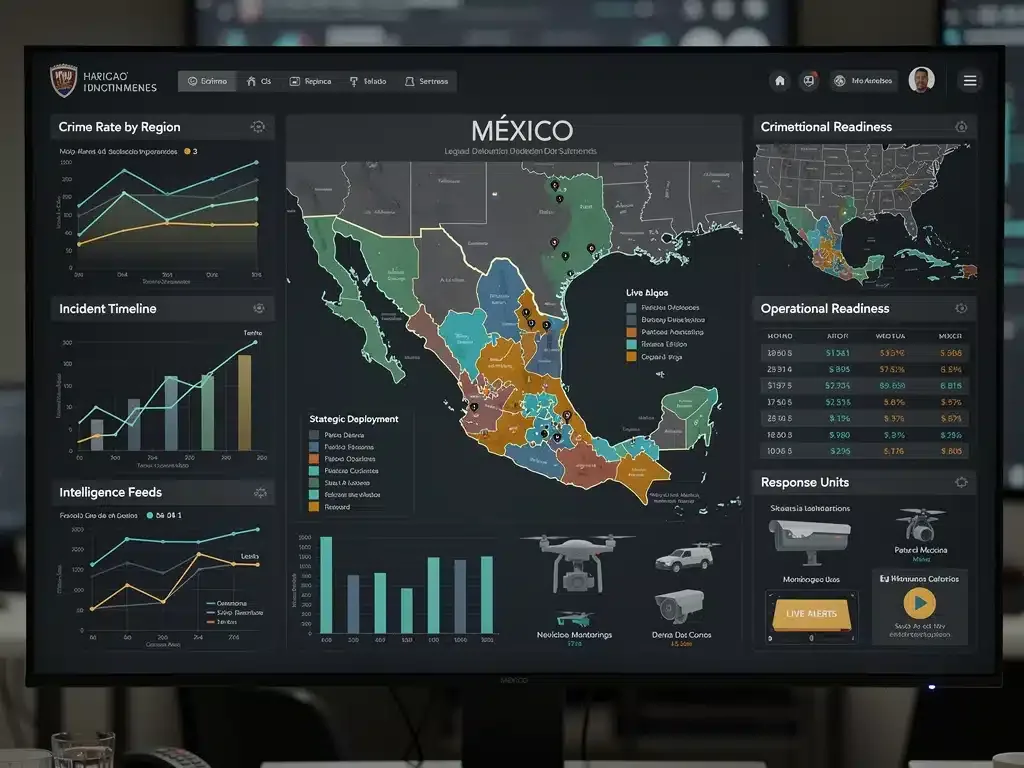
The long-term sustainability of the Security Policy hinges on continuous adaptation, political commitment, and sustained public support. Security is an ongoing process, not a one-time fix.
Future outlook involves integrating lessons learned from the initial implementation phases and refining strategies based on real-world outcomes. Flexibility will be key to addressing evolving threats.
Ensuring cross-administration continuity and depoliticizing security efforts are also vital for securing lasting peace and stability in Mexico. The commitment must extend beyond a single political cycle.
Adapting to Evolving Threats
The Mexico Security Policy 2026 must be dynamic, capable of adapting to evolving threats, including new forms of organized crime and cyber warfare. Static strategies quickly become obsolete in a rapidly changing world.
This requires continuous intelligence gathering, threat assessment, and investment in research and development for new security technologies. Agility and foresight are paramount for long-term effectiveness.
The government is establishing mechanisms for regular review and strategic adjustments, ensuring that the policy remains relevant and effective in addressing emerging challenges over the coming years.
| Key Point | Brief Description |
|---|---|
| Strategic Pillars | Institutional strengthening, intelligence, social prevention, and international cooperation are core. |
| Law Enforcement Shifts | Focus on community policing, modernization, and judicial reforms to build trust. |
| Tech & Intelligence | Leveraging data analytics, AI, and cybersecurity for proactive security measures. |
| 12-Month Outcomes | Initial results in crime reduction, public trust, and economic impact are key indicators. |
Frequently Asked Questions About Mexico’s 2026 Security Policy
What are the main objectives of the Mexico Security Policy 2026?▼The main objectives include strengthening institutions, enhancing intelligence capabilities, implementing social prevention programs, and fostering international cooperation. These aims collectively seek to reduce crime, improve public safety, and build a more resilient justice system across Mexico, leading to positive 12-month outcomes.
How will the new strategies impact local communities?▼Local communities are expected to see increased law enforcement presence, community policing initiatives, and targeted social programs designed to address root causes of crime. Empowerment through local participation in security planning is also a key component, aiming for more tailored and effective solutions under the Mexico Security Policy 2026.
What role does technology play in the 2026 Security Policy?▼Technology plays a crucial role through data analytics, advanced surveillance systems, and cybersecurity measures. These tools are designed to enable proactive security operations, predict crime trends, and enhance intelligence gathering, making the Mexico Security Policy 2026 more efficient and responsive to modern threats within the next 12 months.
What are the anticipated economic benefits of these security strategies?▼Enhanced security is expected to foster a more stable environment, attracting domestic and foreign investment, boosting tourism, and reducing operational costs for businesses. This can lead to job creation and economic growth, contributing to overall prosperity and stability as a key outcome of the Mexico Security Policy 2026.
How will the effectiveness of the Mexico Security Policy 2026 be measured?▼Effectiveness will be measured through various metrics, including crime rate reductions, public perception surveys, and independent assessments of institutional performance. Transparency and accountability are central, with regular evaluations and adjustments planned to ensure continuous improvement and adaptation of the Mexico Security Policy 2026 to evolving challenges.
Perspectives on Mexico’s Security Future
The Security Policy represents a critical juncture for the nation. The initial 12 months will provide invaluable insights into the efficacy of these new approaches, shaping public and international perceptions.
Observers should closely monitor crime statistics, judicial reform progress, and the implementation of social programs, as these will be key indicators of success. The interplay between federal, state, and local efforts will also be crucial.
Ultimately, the long-term impact of the Mexico Security Policy 2026 will depend on sustained political will, adaptive strategies, and unwavering commitment to transparency and accountability, paving the way for a more secure future.