Analyzing Mexico’s Trade Policy Adjustments in 2026: 5 Industries to Monitor
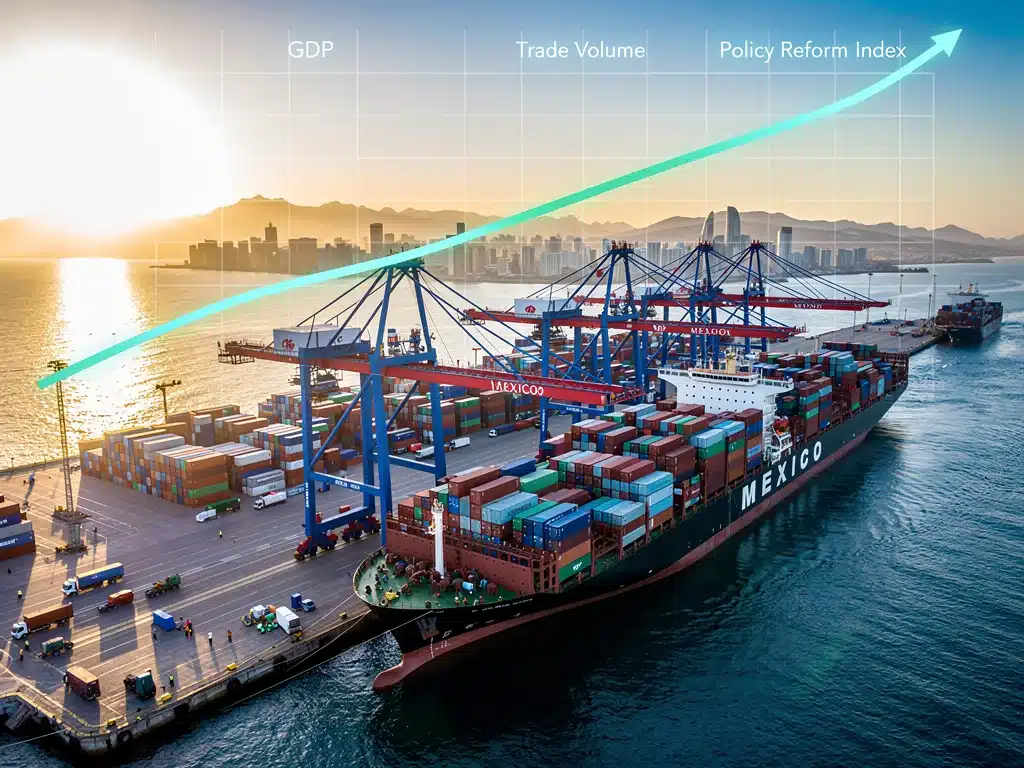
Mexico’s trade policy is now centered on the 2026 USMCA review, tariff pressure and regional supply chain security. U.S. and Mexican officials began technical talks before the July 1 joint review, with autos, steel, aluminum and economic security among the key issues.
The update matters because the United States declined to extend USMCA in its current form, triggering annual reviews and adding uncertainty for exporters, investors and border logistics. Mexico is also pushing back against U.S. tariff measures affecting steel, aluminum and forced-labor enforcement claims.
Readers should monitor USMCA review outcomes, tariff exemptions, automotive rules of origin, nearshoring investment and customs enforcement. The biggest risk is that prolonged uncertainty could delay business decisions even as Mexico remains central to North American trade.
Understanding Mexico’s Evolving Trade Landscape for 2026
Mexico’s trade policy landscape is on the cusp of significant transformations as 2026 approaches, driven by a confluence of global economic shifts and domestic policy priorities. These adjustments are not merely bureaucratic changes but fundamental realignments designed to bolster national interests and respond to international pressures.
Advertisements
The upcoming policy shifts are expected to influence various sectors, creating both opportunities and challenges for businesses operating within or trading with Mexico. Stakeholders must therefore engage in proactive monitoring and strategic planning to navigate this evolving environment effectively.
Understanding the nuances of these adjustments is crucial for informed decision-making, particularly for industries with deep ties to the Mexican economy. The government aims to enhance competitiveness while addressing pressing social and environmental concerns through these new frameworks.
Key Drivers Behind Mexico’s 2026 Trade Policy Shifts
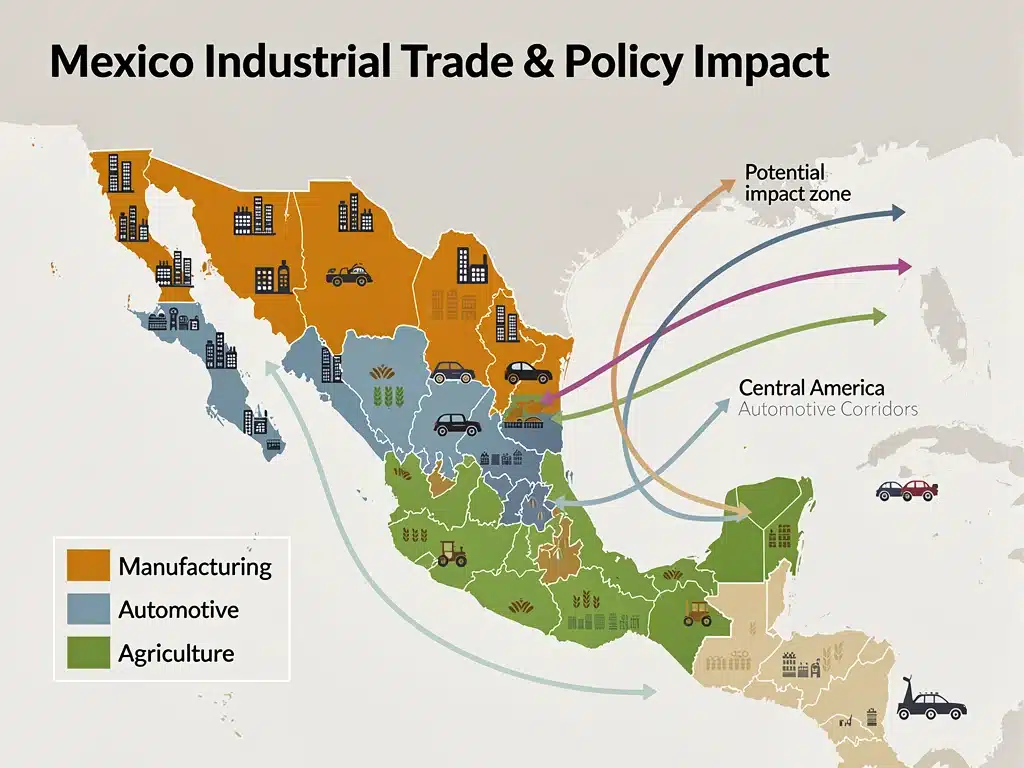
Several critical factors are compelling Mexico to re-evaluate and adjust its trade policies for 2026, creating an imperative for industries to closely monitor these developments. The global economic recovery, coupled with ongoing supply chain disruptions, plays a significant role in shaping these new directives.
Domestically, the government’s commitment to strengthening local production and fostering inclusive economic growth is a central pillar of the impending changes. This nationalistic approach seeks to reduce reliance on certain foreign imports while promoting exports with higher added value.
International trade agreements, notably the USMCA, also exert considerable influence, requiring Mexico to continually adapt its regulations to remain compliant and competitive within the North American market. These multifaceted pressures necessitate a comprehensive approach to Trade Policy.
Geopolitical Influences and Economic Rebalancing
The current geopolitical climate, marked by trade tensions and regionalization efforts, significantly impacts Mexico’s strategic trade positioning. Mexico is actively seeking to diversify its trade partners and reduce vulnerabilities to external shocks.
This rebalancing act involves strengthening existing alliances and forging new ones, particularly with countries in Asia and Europe, to create a more resilient and globally integrated economy. Such diversification is a key component of the broader strategy.
- Global supply chain realignments
- Increased focus on nearshoring initiatives
- Regional trade bloc strengthening
- Bilateral trade agreement expansions
Domestic Priorities and Sustainability Goals
Mexico’s internal agenda prioritizes sustainable development and equitable economic distribution, which are increasingly reflected in its trade policies. New regulations are expected to encourage environmentally friendly practices and fair labor conditions across all sectors.
The government is also keen on boosting local small and medium-sized enterprises (SMEs) through preferential trade policies and support mechanisms. This effort aims to create more job opportunities and reduce economic disparities within the country.
These domestic considerations are integral to the overall framework, ensuring that trade benefits are shared more broadly among the population. The emphasis on sustainability and local empowerment is a defining characteristic of the 2026 adjustments.
The Automotive Industry: Navigating New Rules of Origin
The automotive sector stands as one of the most critical industries to monitor, given its deep integration into North American supply chains and its significant contribution to Mexico’s economy. Upcoming adjustments are likely to focus heavily on rules of origin, impacting manufacturing processes and sourcing strategies.
Changes in these rules, particularly under the USMCA, could necessitate significant retooling and re-evaluation of production lines for major automakers and their vast network of suppliers. Compliance will be paramount to avoid tariffs and maintain competitive advantages.
Firms in this sector must meticulously analyze the revised requirements and prepare for potential shifts in material sourcing and assembly operations. This will be a key area for Trade Policy.
Impact on Manufacturing and Supply Chains
New trade policies could mandate a higher percentage of regional content for vehicles and components, pushing manufacturers to localize their supply chains further within North America. This shift might lead to increased investment in Mexican manufacturing facilities.
Conversely, companies unable to meet stricter origin requirements could face increased production costs or be forced to reconsider their operational footprints. The ripple effect will extend throughout the entire automotive ecosystem.
The ability to adapt quickly to these evolving regulations will be a defining factor for success in the Mexican automotive sector in 2026 and beyond.
Electronics and High-Tech Manufacturing: Opportunities in Nearshoring
The electronics and high-tech manufacturing sector is poised for both challenges and substantial opportunities stemming from Mexico’s 2026 trade policy adjustments. The global trend of nearshoring, accelerated by supply chain vulnerabilities, positions Mexico as an attractive alternative to distant manufacturing hubs.
Policy changes could further incentivize foreign direct investment in this sector, particularly in areas like semiconductor production and advanced electronics assembly. Companies are increasingly looking to shorten their supply routes and enhance resilience.
However, increased scrutiny on labor practices and environmental standards will also be a factor, requiring companies to ensure full compliance with new regulations. This industry is central to Trade Policy.
Attracting Investment and Regulatory Compliance
Mexico’s government is expected to introduce incentives or streamline regulatory processes to attract more high-tech manufacturers, aiming to create a robust domestic ecosystem. This could include tax breaks or infrastructure development tailored to the sector’s needs.
Simultaneously, stricter adherence to intellectual property rights and data protection laws will likely be enforced, providing a more secure environment for advanced technology companies. This dual approach aims to foster growth while ensuring responsible development.
Companies considering expanding their operations in Mexico must evaluate these incentives against the backdrop of heightened regulatory expectations. The balance between opportunity and compliance will be delicate.
Agriculture and Agri-Food: Export Diversification and Food Security
The agriculture and agri-food industry in Mexico is intrinsically linked to trade policies, with 2026 set to bring changes focused on export diversification and domestic food security. Policies may promote the cultivation and export of high-value crops, while also safeguarding the supply of staple foods for the local population.
Adjustments could include new sanitary and phytosanitary measures, impacting import and export procedures for various agricultural products. Producers and exporters must stay informed about these technical barriers to trade.
Furthermore, there may be increased support for sustainable farming practices, aligning trade with environmental protection goals. This sector’s resilience is vital for Trade Policy.
Market Access and Sustainability Standards
New trade agreements or renegotiations could open up new markets for Mexican agricultural products, providing opportunities for producers to expand their reach beyond traditional partners. Efforts to reduce trade barriers for certain goods are anticipated.
At the same time, there will likely be a stronger emphasis on sustainability certifications and traceability requirements for exported goods, catering to increasing global consumer demand for ethically produced food. This will require investment in advanced farming techniques.
- Enhanced export market access
- Stricter food safety regulations
- Promotion of organic and sustainable agriculture
- Support for small and medium-sized farms
Energy Sector: Renewable Energy and Foreign Investment
Mexico’s energy sector is undergoing a complex transition, and 2026 trade policy adjustments will play a crucial role in shaping its future, particularly concerning renewable energy and foreign investment. The government’s push towards energy sovereignty might influence terms for international participation.
While there is a clear commitment to increasing renewable energy capacity, the precise mechanisms for foreign investment and trade in energy technologies remain a key area of focus. Clarity on these policies is eagerly awaited by investors.
Companies involved in solar, wind, and other clean energy projects must carefully monitor regulatory changes that could impact project financing, equipment imports, and energy transmission. This makes it a crucial area when Trade Policy.
Regulatory Frameworks and Investment Climate
Expected policy adjustments may clarify the role of private and public entities in the energy sector, potentially affecting concessions and partnership structures. Foreign investors seek stable and predictable regulatory frameworks.
Trade policies could also influence the import tariffs on renewable energy components and machinery, directly impacting the cost-effectiveness of new projects. Favorable terms could accelerate the transition to cleaner energy sources.
The government’s stance on energy trade and investment will be a significant indicator for the sector’s growth trajectory and its ability to attract necessary capital and technology.
Textiles and Apparel: Competitiveness and Labor Standards
The textiles and apparel industry in Mexico, a traditional manufacturing powerhouse, faces unique challenges and opportunities with the 2026 trade policy adjustments. The sector’s competitiveness is highly susceptible to import tariffs, quotas, and labor cost differentials.
Policies may seek to protect domestic producers from unfair competition while simultaneously promoting the export of high-quality Mexican textiles and garments. This delicate balance is crucial for sustained growth.
Increased scrutiny on labor standards and working conditions within the industry is also anticipated, aligning with broader international trade expectations. This emphasis on ethical production will be a key aspect for Trade Policy.
Modernization and Ethical Production
The government might introduce incentives for the modernization of textile manufacturing facilities, encouraging the adoption of advanced technologies to improve efficiency and product quality. This could help the industry compete more effectively on a global scale.
Furthermore, trade policies are expected to reinforce adherence to fair labor practices, including minimum wage requirements and safe working environments. Brands sourcing from Mexico will need to ensure their supply chains meet these elevated standards.
The ability of Mexican textile manufacturers to innovate and demonstrate strong commitments to ethical production will be vital for their success in the evolving trade landscape.
Anticipating Broader Economic Implications

Beyond the specific industrial impacts, Mexico’s 2026 trade policy adjustments carry broader economic implications for the entire nation. These policies are designed to reshape Mexico’s position in the global economy, fostering resilience and sustainable growth.
The adjustments could lead to a more diversified economy, less reliant on a few key sectors, and better equipped to withstand external economic shocks. This strategic diversification is a long-term goal for the government.
Businesses across all sectors will need to understand the macro-economic shifts driven by these trade reforms to effectively plan their long-term strategies. The overall economic health of Mexico depends on a successful implementation of these policies.
Regional Development and Investment Flows
Trade policy changes are often designed to promote regional development, encouraging investment in less developed areas of Mexico. This could lead to new industrial clusters emerging outside traditional manufacturing hubs.
Such shifts in investment patterns could create new job opportunities and improve infrastructure in various regions, contributing to a more balanced national economy. Companies should explore these emerging regional opportunities.
- Increased foreign direct investment in specific regions
- Development of new industrial corridors
- Enhanced infrastructure projects
- Job creation in diverse geographic areas
| Key Policy Aspect | Brief Description |
|---|---|
| Rules of Origin | Stricter content requirements for goods, especially in automotive, impacting sourcing. |
| Nearshoring Incentives | Policies to attract manufacturing back to North America, benefiting electronics. |
| Export Diversification | Efforts to broaden agricultural export markets beyond traditional partners. |
| Sustainability Focus | Increased emphasis on ethical labor and environmental standards across industries. |
Frequently Asked Questions on Mexico’s Trade Policy
Mexico’s primary goals for the 2026 trade policy adjustments include strengthening national production, diversifying trade partnerships, promoting sustainable development, and enhancing overall economic resilience. These policies aim to create a more robust and equitable trade environment for the nation.
The automotive industry will primarily be affected by stricter rules of origin, potentially requiring higher regional content for vehicles and components. This could lead to significant adjustments in manufacturing processes and supply chain sourcing strategies for companies operating in Mexico.
Nearshoring presents substantial opportunities for the electronics and high-tech manufacturing sector by attracting foreign direct investment. Mexico’s proximity to major markets, combined with potential policy incentives, makes it an attractive location for companies seeking to shorten supply chains and enhance operational resilience.
Yes, the trade policy adjustments are expected to influence Mexico’s agricultural exports by promoting diversification and potentially introducing new sanitary or phytosanitary measures. This could open new markets for high-value crops while also emphasizing sustainable farming practices and food security.
Renewable energy is a key focus, with trade policies expected to shape foreign investment and technology imports in this sector. The government’s commitment to clean energy will likely influence regulatory frameworks and potentially introduce incentives or tariffs on related components and machinery.
Looking Ahead: Strategic Planning for Mexico’s Trade Future
Trade Policy reveals a dynamic landscape requiring continuous vigilance and strategic adaptation. Businesses operating within these five key industries, automotive, electronics, agriculture, energy, and textiles, must prioritize comprehensive risk assessments and agile response strategies.
The impending policy shifts are not merely regulatory hurdles but represent a deliberate move towards a more self-reliant and sustainably integrated Mexican economy.
Staying informed on official announcements and industry-specific guidance will be paramount for navigating these changes successfully and leveraging new opportunities that emerge.