Mexico’s Digital Economy: 3 Key Drivers Boosting Growth
Advertisements
Mexico Digital Economy Growth continues gaining momentum as investments in e-commerce, fintech, artificial intelligence, cloud computing, and digital services accelerate across the country. Industry estimates indicate Mexico’s digital transformation market could maintain strong double-digit growth through 2026, supported by expanding online consumption and business modernization efforts.
Government officials and international organizations have highlighted digital infrastructure, digital skills training, and regulatory modernization as critical priorities for sustaining long-term growth. Recent reforms focused on digital government services and investment simplification are expected to support productivity and improve access to digital opportunities across multiple sectors.
Readers should closely monitor e-commerce expansion, fintech adoption, artificial intelligence regulation, telecommunications investment, and developments surrounding trade agreements such as the USMCA review. Economic growth forecasts remain mixed, making digital economy performance an important area to watch as Mexico positions itself for continued technological expansion through 2026.
Understanding the Momentum: Mexico Digital Economy Growth Projections
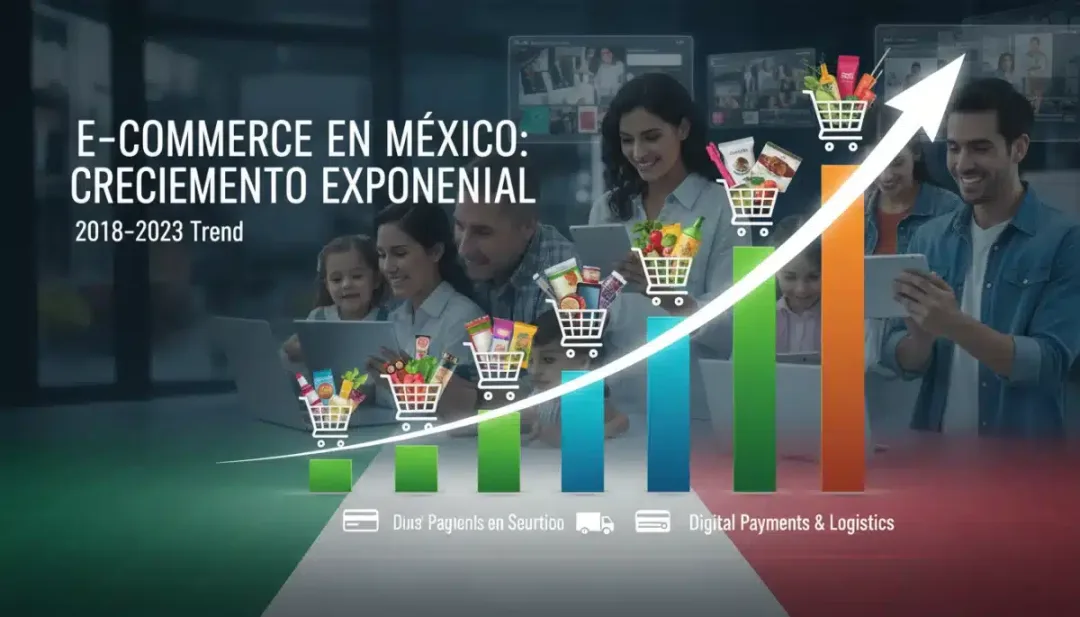
The forecast for Mexico Digital Economy Growth by 2026, anticipating a 20% increase, underscores a pivotal moment for the nation. This projection is not merely an optimistic outlook but a reflection of tangible shifts in consumer behavior and business operations across the country.
Analysts point to a convergence of factors, including increased internet penetration and a younger, digitally native population, as key contributors to this upward trajectory. These demographic and technological shifts are creating fertile ground for digital innovation and adoption.
The government’s continued focus on digital transformation initiatives also plays a crucial role in fostering an environment conducive to sustained growth. Such policies aim to bridge existing digital divides and ensure broader participation in the burgeoning digital landscape.
E-commerce Boom: A Primary Catalyst for Digital Expansion
E-commerce stands out as a formidable engine driving Mexico Digital Economy Growth. The sector has witnessed exponential expansion, particularly in recent years, propelled by changing consumer habits and increased access to online shopping platforms.
Mexican consumers are increasingly turning to digital channels for their purchases, ranging from everyday necessities to specialized goods. This shift has not only boosted sales for established retailers but also created new opportunities for small and medium-sized enterprises (SMEs) to reach wider markets.
The continuous improvement in logistics, secure payment gateways, and diverse product offerings further solidifies e-commerce’s position as a cornerstone of the digital economy. Its accessibility and convenience resonate strongly with a growing segment of the population.

The Rise of Online Retail and Marketplaces
Online retail platforms and digital marketplaces have fundamentally reshaped Mexico’s Digital Economy commercial landscape. These platforms provide an efficient conduit for goods and services, connecting buyers and sellers with unprecedented ease.
The competitive environment among these platforms drives innovation, leading to better user experiences and more attractive pricing. This benefits consumers directly and fosters a dynamic ecosystem for businesses.
Furthermore, the data generated by these transactions offers valuable insights into consumer preferences and market trends, allowing businesses to adapt and refine their strategies effectively.
Impact on Traditional Commerce
While e-commerce flourishes, it also prompts traditional brick-and-mortar stores to adapt and integrate digital strategies. Many conventional retailers are embracing omnichannel approaches, combining their physical presence with robust online offerings.
This integration allows them to leverage their existing brand recognition and customer loyalty while expanding their reach. The synergy between online and offline channels is becoming increasingly important for sustained success.
Ultimately, the growth of e-commerce is not solely about replacing traditional commerce but rather transforming it into a more dynamic and interconnected system. This evolution is vital for the overall Mexico Digital Economy Growth.
The ongoing expansion of digital payment solutions further supports the e-commerce sector, making online transactions more accessible and secure for a larger portion of the Mexican population. This facilitates greater participation in the digital marketplace.
Fintech Innovation: Reshaping Financial Services in México
Fintech represents another critical driver for Mexico Digital Economy Growth, revolutionizing how financial services are accessed and delivered. Mexico has emerged as a regional leader in fintech, attracting significant investment and fostering a vibrant ecosystem of startups.
These innovative financial technologies are addressing long-standing challenges in financial inclusion, offering solutions to underserved populations and streamlining processes for businesses. Mobile banking, digital wallets, and peer-to-peer lending are examples of services gaining traction.
The regulatory framework, though still evolving, has shown a proactive approach to fostering fintech innovation while ensuring stability and consumer protection. This balance is key to sustainable development in the sector.
Digital Payments and Financial Inclusion
The proliferation of digital payment methods is democratizing access to financial services for millions of Mexicans. These solutions often bypass traditional banking infrastructure, reaching individuals and small businesses previously excluded from formal financial systems.
Platforms for sending and receiving money, paying bills, and making purchases directly from mobile devices are becoming commonplace. This convenience and accessibility are powerful drivers of adoption.
Moreover, digital financial records can help individuals build credit histories, opening doors to further financial products and services. This contributes significantly to broader financial inclusion and economic empowerment.
Investment and Regulatory Landscape
The fintech sector in Mexico continues to attract substantial domestic and international investment, signaling strong confidence in its growth potential. Venture capital flows into promising startups, fueling innovation and expansion.
Mexico’s Fintech Law, enacted in 2018, provides a legal framework for these emerging technologies, offering clarity and certainty for both innovators and consumers. This regulatory environment is crucial for fostering trust and stability.
As the sector matures, ongoing dialogue between regulators, industry players, and consumers will be essential to adapt policies to new challenges and opportunities, ensuring continued Mexico Digital Economy Growth.
Digital Infrastructure: The Foundation for Future Growth
Robust digital infrastructure is the bedrock upon which Mexico Digital Economy Growth is built. Investments in expanding broadband access, developing data centers, and enhancing cybersecurity are fundamental to supporting the increasing demands of a digital society.
Improved connectivity, especially in rural and underserved areas, is vital for ensuring equitable access to digital opportunities. This expansion allows more citizens and businesses to participate fully in the digital economy.
Furthermore, the reliability and security of this infrastructure are paramount for fostering trust in online transactions and communications. Without a strong foundation, the potential of e-commerce and fintech cannot be fully realized.
Broadband Expansion and Connectivity
Efforts to expand broadband internet access are central to Mexico’s digital agenda. Government initiatives and private sector investments are working to extend high-speed internet to more households and businesses across the country.
This increased connectivity directly impacts productivity, education, and access to information, creating a more informed and engaged populace. It also reduces the digital divide between urban and rural areas.
The availability of reliable and affordable internet services is a prerequisite for the widespread adoption of digital tools and services, thereby reinforcing the overall Mexico Digital Economy Growth trajectory.
Data Centers and Cloud Computing
The growing reliance on digital services necessitates a robust network of data centers and widespread adoption of cloud computing. These facilities provide the computational power and storage required to manage vast amounts of data generated by the Digital Economy.
Investment in modern data centers enhances data security, reduces latency, and supports the scalability of digital platforms. This infrastructure is critical for handling the increasing traffic from e-commerce and fintech applications.
Cloud computing services enable businesses, particularly SMEs, to access sophisticated IT resources without significant upfront investment, fostering innovation and competitiveness within the digital landscape.
Cybersecurity measures are also being strengthened to protect this expanding digital infrastructure from threats, ensuring a safe and reliable environment for all digital interactions. This is crucial for maintaining consumer and business confidence.
Government Initiatives and Policy Support for Digital Economy Growth
The Mexican government plays a proactive role in fostering Mexico Digital Economy Growth through various initiatives and policy frameworks. These efforts aim to create an enabling environment for businesses and individuals to thrive in the digital age.
Programs focused on digital literacy, entrepreneurship, and innovation are being implemented to equip the workforce with necessary skills and support the creation of new digital ventures. This human capital development is essential for long-term growth.
Furthermore, policies designed to attract foreign investment in technology and digital sectors help to accelerate the pace of development. International collaboration and knowledge transfer are also key components of this strategy.
Digital Transformation Programs
Numerous government-led digital transformation programs are underway, targeting both public services and private sector development. These initiatives seek to digitize bureaucratic processes, making them more efficient and transparent.
For businesses, these programs often provide incentives for adopting digital tools and technologies, helping them to modernize operations and enhance competitiveness. This support is particularly valuable for smaller enterprises.
The goal is to create a seamless digital ecosystem where information flows freely and services are easily accessible, contributing directly to Mexico Digital Economy Growth.
International Collaboration and Investment
Mexico’s commitment to digital economy growth is also evident in its active participation in international forums and partnerships. Collaborations with other nations and global organizations facilitate the exchange of best practices and technological advancements.
Attracting foreign direct investment into the digital sector is a key priority, with incentives offered to companies looking to establish or expand their operations in Mexico. This inflow of capital and expertise accelerates local development.
These international linkages not only bring financial resources but also foster a culture of innovation and global competitiveness, which is vital for the sustained expansion of Mexico’s digital economy.
SME Digitalization: Empowering Small Businesses
The digitalization of Small and Medium-sized Enterprises (SMEs) is a vital component of Mexico Digital Economy Growth. SMEs form the backbone of the Mexican economy, and their integration into the digital sphere unlocks immense potential for economic expansion and job creation.
Many government programs and private sector initiatives are specifically tailored to help SMEs adopt digital tools, such as e-commerce platforms, cloud-based software, and digital marketing strategies. This support addresses common barriers like lack of technical knowledge and financial resources.
By embracing digitalization, SMEs can enhance their productivity, expand their customer base, and compete more effectively in both domestic and international markets. This transformation is critical for inclusive growth.
Challenges and Solutions for SMEs
Despite the clear benefits, SMEs often face significant challenges in their digitalization journey. These include limited access to capital, a lack of digital skills among employees, and concerns about cybersecurity.
To address these, solutions involve providing subsidized training programs, facilitating access to affordable digital tools, and offering cybersecurity awareness campaigns. Public-private partnerships are crucial in this regard.
Mentorship programs and digital incubators also play an important role in guiding SMEs through the complexities of digital transformation, ensuring they can fully leverage the opportunities presented by Mexico Digital Economy Growth.
Contribution to Overall Economic Resilience
A digitally empowered SME sector contributes significantly to the overall resilience of the Mexican Digital Economy. Diverse digital capabilities enable these businesses to adapt more quickly to market changes and economic shocks.
Their ability to reach new customers online and streamline operations makes them less vulnerable to localized disruptions. This distributed strength is a key factor in ensuring stable economic development.
The success of SME digitalization is therefore not just about individual business growth but about strengthening the entire economic fabric of Mexico, aligning with broader goals for Mexico Digital Economy Growth.
Future Outlook: Sustaining Mexico Digital Economy Growth Beyond 2026
Looking beyond 2026, sustaining Mexico Digital Economy Growth will require continuous innovation, adaptive policy-making, and ongoing investment in human capital and infrastructure. The foundations laid now will determine the long-term trajectory.
Emerging technologies such as artificial intelligence, blockchain, and the Internet of Things are poised to create new opportunities and challenges. Mexico’s ability to integrate these technologies will be crucial for maintaining its competitive edge.
Furthermore, ensuring that the benefits of digital growth are broadly shared across all segments of society will be paramount for inclusive and sustainable development. This includes addressing issues of digital literacy and access.
Emerging Technologies and Their Impact

The integration of emerging technologies like AI and blockchain will unlock new efficiencies and create novel service offerings within the Mexican digital economy. These technologies are set to transform various sectors, from manufacturing to healthcare.
AI-driven analytics can provide deeper insights into consumer behavior and operational efficiency, while blockchain can enhance transparency and security in transactions. These advancements will drive the next phase of Mexico Digital Economy Growth.
Investing in research and development in these areas, coupled with fostering a skilled workforce, will be essential for Mexico to capitalize on these technological shifts and remain at the forefront of digital innovation.
Challenges and Opportunities for Continued Growth
While the outlook for Mexico Digital Economy Growth is strong, challenges remain. These include ensuring robust cybersecurity, adapting regulatory frameworks to keep pace with rapid technological change, and addressing the digital skills gap.
However, these challenges also present opportunities for further innovation and collaboration between the public and private sectors. Proactive measures can turn potential obstacles into catalysts for further development.
Mexico’s strategic geographical location, its young demographic, and its growing integration into global supply chains position it favorably to overcome these challenges and seize new opportunities in the digital realm.
| Key Driver | Brief Description |
|---|---|
| E-commerce Boom | Rapid expansion of online shopping, driving consumer shifts and new business opportunities. |
| Fintech Innovation | Revolutionizing financial services, enhancing inclusion, and attracting significant investment. |
| Digital Infrastructure | Essential investments in broadband, data centers, and cybersecurity for sustained connectivity. |
| Government Support | Proactive policies and initiatives fostering a conducive environment for digital transformation. |
Frequently Asked Questions About Mexico Digital Economy Growth
What factors are primarily driving Mexico Digital Economy Growth?▼The primary factors driving Mexico Digital Economy Growth are the rapid expansion of e-commerce, significant innovations in the fintech sector, and ongoing, substantial investments in digital infrastructure. These three pillars collectively create a robust framework for digital expansion and adoption across various industries and consumer segments.
How significant is the projected growth for Mexico’s Digital Economy?▼Mexico’s Digital Economy is projected to experience a 20% growth by 2026, which is a substantial increase indicating a dynamic and rapidly evolving market. This forecast highlights the country’s potential to become a leading digital player in the region, attracting further investment and fostering innovation.
What role does e-commerce play in this economic expansion?▼E-commerce is a critical catalyst for Mexico Digital Economy Growth, driven by changing consumer habits and increased online accessibility. It empowers both large retailers and SMEs to reach wider markets, supported by advancements in logistics and secure digital payment systems, transforming the retail landscape significantly.
How is fintech contributing to financial inclusion in Mexico?▼Fintech innovations are profoundly contributing to financial inclusion by providing accessible digital payment solutions and mobile banking services to previously underserved populations. These technologies bypass traditional banking barriers, enabling more individuals and small businesses to participate in the formal financial system, thereby fostering greater economic empowerment.
What are the key infrastructure developments supporting Mexico Digital Economy Growth?▼Key infrastructure developments include the expansion of broadband internet access, the construction of modern data centers, and enhanced cybersecurity measures. These investments ensure reliable connectivity, secure data handling, and robust support for the increasing demands of e-commerce, fintech, and other digital services, laying a strong foundation for future growth.
Looking Ahead: Sustaining the Digital Momentum
The significant projected growth for Mexico Digital Economy Growth by 2026 underscores a transformative period for the nation. It is crucial to monitor how government policies continue to adapt to technological advancements, especially regarding emerging areas like AI and blockchain. The ongoing integration of SMEs into the digital ecosystem will also be a key indicator of inclusive growth.
As Mexico solidifies its position as a regional digital powerhouse, the interplay between e-commerce, fintech, and robust digital infrastructure will remain central. Vigilance on cybersecurity and the sustained development of digital skills across the workforce will be paramount to navigate future challenges successfully.
The trajectory of Mexico Digital Economy Growth will ultimately depend on a concerted effort from all stakeholders to foster an environment ripe for innovation, investment, and widespread digital adoption, ensuring long-term prosperity for the Mexican populace.