Mexico’s Judicial Reforms 2026: A Deep Dive into 4 Key Amendments
Advertisements
Mexico’s 2026 judicial reforms are expected to influence access to justice and legal protections for millions of people. The proposed changes emphasize broader participation, stronger safeguards, and improved institutional accountability.
A greater focus on inclusivity and cultural sensitivity could help align the judicial system with international human rights standards. These measures may also improve access for Indigenous communities and other historically underserved groups.
Effective implementation will require coordination between government institutions, courts, legal professionals, and civil society. Readers should monitor enforcement rules, funding, court decisions, and evidence of practical improvements in access to justice.
Understanding the Scope of Mexico’s Judicial Reforms 2026
Mexico’s proposed judicial reforms for 2026 would introduce major changes aimed at improving efficiency, transparency, and public confidence. Political debate continues as lawmakers discuss how these measures should be implemented.
Legal experts and civil society groups are contributing different perspectives on judicial independence, accountability, and access to justice. Although reform is widely considered necessary, several structural details remain contested.
Public hearings and expert testimony will help shape the final framework and identify potential implementation challenges. The long-term objective is to build a stronger, fairer, and more accessible justice system for Mexican citizens.
Amendment 1: Reforming Judicial Selection Processes

One of the most debated elements of Mexico’s 2026 judicial reforms concerns how judges are selected. The proposal seeks to make appointments more transparent while reducing excessive political influence.
The suggested model combines public participation with professional evaluations of legal experience and qualifications. Supporters believe this approach could improve accountability and public confidence in the judiciary.
Critics warn that direct elections may expose judges to campaign pressures and public opinion. The debate reflects a broader tension between democratic oversight, merit-based selection, and judicial independence.
Key Changes in Judicial Selection
- Public election of Supreme Court Justices, appellate judges, and district judges.
- Establishment of independent electoral bodies to oversee judicial elections.
- Mandatory professional examinations and ethical reviews for all candidates.
The implications of this amendment are far-reaching, potentially altering the very fabric of Mexico’s judicial power.
It seeks to empower citizens by giving them a direct say in who presides over their courts, fostering a sense of ownership and trust in the justice system.
The success of this reform will hinge on the careful design of the electoral process to prevent undue influence and ensure the selection of highly qualified individuals.
Amendment 2: Strengthening Anti-Corruption Measures in the Judiciary
A central element of Mexico’s 2026 judicial reforms is the effort to strengthen anti-corruption safeguards within the courts. The proposal includes tighter oversight and stronger penalties for officials involved in misconduct.
Suggested measures include specialized investigative units, improved reporting systems, and greater protection for whistleblowers. These tools are intended to identify and address corrupt practices more effectively.
Successful implementation will depend on institutional independence, adequate funding, and consistent enforcement. A more transparent judiciary could strengthen public trust, support the rule of law, and improve confidence among investors.
New Anti-Corruption Mechanisms
- Establishment of an independent internal affairs body with investigative powers.
- Mandatory asset declarations and regular financial audits for all judicial personnel.
- Increased penalties for bribery, influence peddling, and abuse of power by judges.
The success of these measures will depend heavily on the political will to enforce them rigorously and consistently.
Public monitoring and civil society engagement will be vital in ensuring accountability and preventing backsliding.
This amendment represents a direct response to persistent demands for a cleaner and more trustworthy judicial system.
Amendment 3: Enhancing Access to Justice for Vulnerable Populations
The third major amendment in Mexico’s 2026 judicial reforms focuses on expanding access to justice for vulnerable groups. Indigenous communities, women, children, and people with disabilities often face barriers to legal representation and fair proceedings.
Proposed measures include broader legal-aid services, culturally appropriate assistance, and gender-sensitive judicial protocols. These changes aim to reduce unequal outcomes and ensure that legal protection is accessible to everyone.
Judicial personnel may also receive additional training in human rights and intercultural competence. Effective funding and implementation will be essential to create a more inclusive and responsive justice system.
Initiatives for Inclusive Justice
- Expansion of public defender offices and legal clinics in rural and indigenous areas.
- Mandatory training for judges on human rights, gender equality, and indigenous law.
- Implementation of simplified legal procedures for minor disputes affecting vulnerable groups.
These reforms are expected to have a profound impact on the lives of millions, ensuring that legal protections are genuinely accessible to all.
The emphasis on inclusivity and cultural sensitivity marks a significant step forward in aligning Mexico’s judicial system with international human rights standards.
Effective implementation will require sustained effort and collaboration between government agencies and civil society.
Amendment 4: Modernizing Judicial Infrastructure and Technology
The fourth major amendment in Mexico’s 2026 judicial reforms focuses on modernizing court infrastructure and expanding the use of technology. The goal is to make legal proceedings faster, more efficient, and more transparent.
Proposed measures include electronic filing, digital case management, and virtual hearings when appropriate. These systems could reduce delays, simplify administrative processes, and improve access to non-sensitive court information.
Successful implementation will require investment in secure infrastructure and comprehensive training for judges, court staff, and legal professionals. Effective digitalization could improve both the quality and accessibility of justice.
Technological Advancements in Judiciary
- Nationwide implementation of electronic case filing and digital document management.
- Development of secure online portals for citizens to track their legal proceedings.
- Use of artificial intelligence tools for legal research and case prediction, under strict ethical guidelines.
The successful adoption of these technological reforms will require substantial investment and a coordinated effort across all levels of the judiciary.
It promises to make the judicial system more responsive and accessible, reducing delays and improving the overall user experience for citizens and legal professionals alike. The long-term benefits include increased efficiency and enhanced public trust.
Anticipated Challenges and Public Reception of the Reforms
Mexico’s 2026 judicial reforms face major challenges, including institutional resistance, limited budgets, and the complexity of nationwide implementation. Public opinion remains divided between optimism and concern.
Legal experts have called for careful planning, pilot programs, and safeguards against unintended effects. Questions about judicial independence, especially under elected judges, will require close attention.
Public education and transparent communication can help build understanding and trust. The reforms’ success will depend on measurable improvements in fairness, efficiency, and access to justice.
Economic and Social Implications of Judicial Overhaul
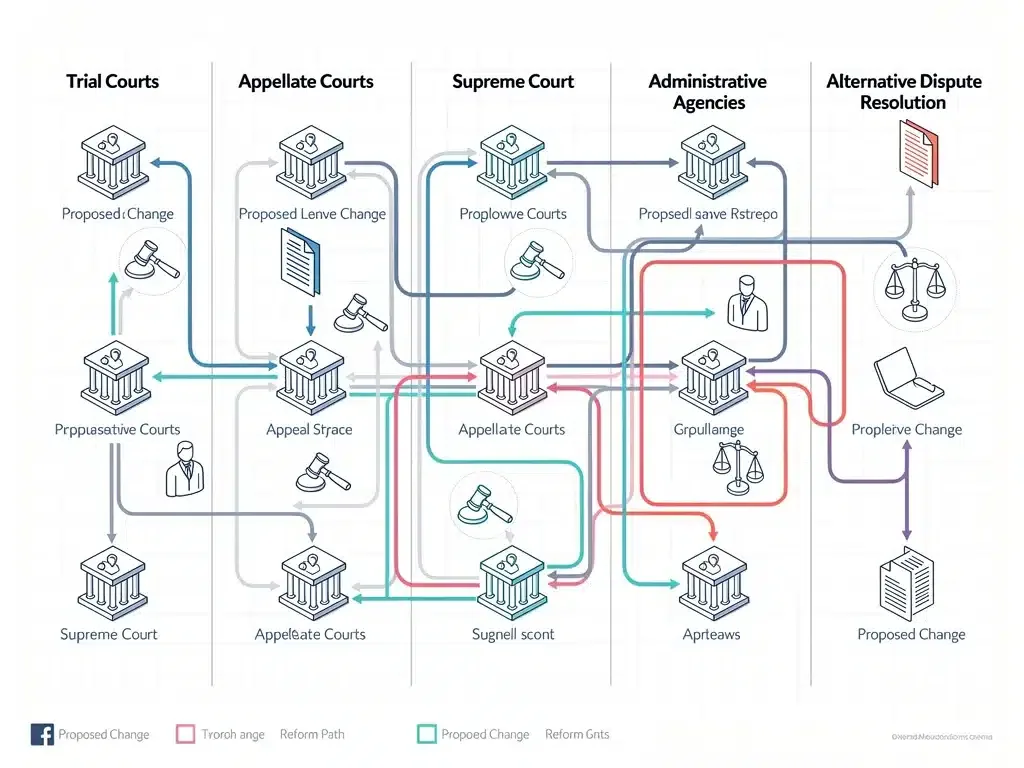
Mexico’s 2026 judicial reforms could have important economic effects by improving legal certainty, contract enforcement, and property protection. A more reliable court system may strengthen investor confidence and support business activity.
Socially, the reforms aim to reduce impunity, improve public safety, and expand access to justice. Greater fairness and transparency could also strengthen trust in public institutions and social stability.
The transition may still create short-term disruption as businesses, courts, and citizens adapt to new procedures. Clear guidance, effective management, and consistent implementation will be essential to achieve lasting benefits.
The Road Ahead: Implementation and Monitoring of Reforms
Mexico’s 2026 judicial reforms will require more than legislative approval, as implementation will determine their practical impact. Clear timelines, adequate funding, and defined accountability measures will be essential.
Independent oversight bodies and civil society organizations can help monitor progress and identify weaknesses. Regular evaluations and public reporting should support transparency and allow timely adjustments.
Long-term success will also depend on participation from legal professionals, public institutions, and citizens. Public forums, feedback channels, and educational initiatives can strengthen trust and support the transition.
| Key Amendment | Brief Description |
|---|---|
| Judicial Selection | Introduces public election and merit evaluations for judges. |
| Anti-Corruption | Strengthens oversight and penalties for corruption in judiciary. |
| Access to Justice | Expands legal aid and culturally sensitive services for vulnerable groups. |
| Infrastructure & Technology | Modernizes judicial systems with electronic filing and digital tools. |
Frequently Asked Questions About Mexico’s Judicial Reforms 2026
What are the primary goals of Mexico’s Judicial Reforms of 2026?▼The reforms aim to enhance judicial independence, improve efficiency, combat corruption, and broaden access to justice for all citizens. They seek to restore public trust in the legal system through structural and procedural changes across various levels of the judiciary.
How will judicial selection change under the new amendments?▼The proposed changes include introducing public elections for judges and justices, combined with rigorous professional merit evaluations. This aims to reduce political influence and increase accountability, though concerns about politicization are part of ongoing debates.
What impact will these reforms have on anti-corruption efforts?▼The reforms introduce stronger anti-corruption measures, such as specialized units and harsher penalties for judicial misconduct. The goal is to create a more transparent and accountable judiciary, thereby enhancing public faith and reducing impunity within the legal system.
Will access to justice improve for vulnerable groups?▼Yes, a key amendment focuses on expanding free legal aid, culturally appropriate assistance, and gender-sensitive protocols. These measures are designed to remove barriers and ensure that justice is equally accessible to indigenous communities, women, and other marginalized populations.
How will technology be integrated into the judicial system?▼The reforms plan to modernize infrastructure with electronic filing, digital case management, and virtual hearings. These technological advancements aim to streamline processes, improve efficiency, reduce delays, and enhance transparency throughout the Mexican judicial system.
Looking Ahead: The Future of Mexican Justice
The Mexico Judicial Reforms 2026 represent a pivotal moment for the nation’s legal landscape. The successful implementation of these four key amendments will redefine justice delivery, accountability, and public trust. Stakeholders must remain engaged, monitoring legislative progress and the practical application of these significant changes.
The coming months will be critical for observing how the proposed reforms navigate political complexities and budgetary realities. The long-term impact on Mexico’s economic stability and social equity hinges on the effective and transparent execution of these ambitious judicial overhauls. Citizens and international observers will closely follow developments.
Ultimately, these reforms aim to forge a more robust and equitable judicial system, aligning Mexico with global best practices. The journey ahead demands continuous dialogue, adaptability, and a steadfast commitment to the principles of justice and rule of law for all.