Pemex Financial Restructuring 2026: Economic Risks Explored
Advertisements
Mexico’s state-owned energy giant is facing a high-stakes turning point that could send shockwaves through regional emerging markets. As Mexico cuts federal subsidies by 15%, the upcoming Pemex Financial Restructuring forces the oil titan to confront its staggering debt burden without relying entirely on government bailouts.
This aggressive fiscal tightening strains the corporate balance sheet, threatening state petroleum revenues and risking sovereign credit rating downgrades. With reduced government support, the state enterprise must navigate mounting operational liabilities while attempting to maintain production levels.
For international investors and market analysts, this debt rebalancing plan serves as a major litmus test for Mexico's macroeconomic stability. Here is an in-depth analysis of the systemic economic risks and key financial milestones to monitor next.
Understanding the Pemex Financial Restructuring in 2026
The announcement of a 15% reduction in federal subsidies for Pemex starting in 2026 marks a critical juncture for the company and the Mexican government. This decision reflects a broader strategy to rationalize public spending and reduce the fiscal burden associated with the state oil company.
Pemex has historically relied heavily on government support, making this subsidy cut a significant shift in its operating model. The restructuring aims to push Pemex towards greater financial self-sufficiency, though the path to achieve this is fraught with challenges.
Analysts are closely scrutinizing the potential ripple effects of this policy. The success or failure of this restructuring will undoubtedly influence Mexico's credit ratings, foreign investment, and overall economic stability for years to come.
The Rationale Behind Subsidy Reduction
The Mexican government's decision to reduce Pemex's federal subsidies stems from several factors. Primarily, there's a growing need to address Mexico's fiscal deficit and allocate resources more efficiently across various sectors of the economy.
Pemex's substantial debt burden and declining production have long been a drain on public finances. Reducing subsidies is seen as a necessary step to force the company to become more competitive and less reliant on taxpayer money, encouraging internal efficiencies and potentially new investment strategies.
Furthermore, this move aligns with global trends towards energy transition, where governments are gradually reducing support for fossil fuel industries. Mexico seeks to modernize its energy sector, and a leaner, more efficient Pemex is considered integral to that vision.
Key Financial Indicators of Pemex
Debt Burden: Pemex currently holds one of the largest debts among global oil companies, a significant concern for its financial health.
Production Decline: Despite government efforts, crude oil production has been on a downward trend, impacting revenues and operational efficiency.
Refining Losses: Pemex's refining operations often run at a loss, adding to the company's financial strain and requiring ongoing government support.
Investment Needs: Significant capital expenditure is required to maintain and upgrade infrastructure, as well as explore new reserves, which becomes harder without subsidies.
These indicators highlight the precarious financial position Pemex is in, making the upcoming subsidy reduction a high-stakes gamble. The company's ability to adapt and innovate will be paramount.
Economic Risks Associated with a 15% Reduction in Federal Subsidies
The 15% reduction in federal subsidies for Pemex presents a multifaceted array of economic risks that extend far beyond the company itself. This policy shift could trigger a cascade of negative consequences for the Mexican economy, affecting various sectors and financial markets.
One immediate concern is the potential for increased financial pressure on Pemex, which might lead to further downgrades by credit rating agencies. Such downgrades could significantly raise the cost of borrowing for Pemex, and by extension, for the Mexican government, impacting national debt servicing.
Moreover, the reduction could force Pemex to cut back on investment in exploration and production, further accelerating the decline in oil output. This would not only reduce government revenues from oil exports but also potentially necessitate increased imports of refined products, straining Mexico's trade balance.
Impact on Mexico's Sovereign Credit Rating
Mexico's sovereign credit rating is inextricably linked to the financial health of Pemex. Rating agencies frequently cite Pemex's debt and the government's implicit support as a key factor in their assessments of Mexico's creditworthiness.
A significant reduction in federal subsidies, without a clear and effective strategy for Pemex to offset the financial shortfall, could be perceived as a weakening of government support. This perception could lead to negative outlooks or even downgrades of Mexico's sovereign debt.
Such downgrades would increase borrowing costs for the Mexican government, making it more expensive to finance public projects and potentially leading to higher taxes or cuts in other essential public services. This could have a broad dampening effect on economic growth and stability.
Potential for Reduced Investment and Production
Exploration Cuts: With less capital, Pemex may scale back crucial exploration activities, limiting the discovery of new oil and gas reserves.
Maintenance Delays: Reduced funding could lead to deferred maintenance on existing infrastructure, increasing the risk of operational disruptions and accidents.
Technological Stagnation: Lack of investment might hinder the adoption of advanced technologies necessary to improve efficiency and boost production in mature fields.
Job Losses: Operational cutbacks and reduced investment could result in significant job losses within Pemex and its extensive supply chain, impacting local economies.
The long-term implications of reduced investment and production are severe. Mexico's energy independence could be compromised, and its role as a significant oil producer might diminish, impacting its geopolitical standing and economic leverage.
Broader Macroeconomic Implications for Mexico
The Pemex Financial Restructuring in 2026 extends its reach into the broader macroeconomic landscape of Mexico. The interconnectedness of Pemex with the national economy means that any significant shift in its operational or financial structure will have ripple effects across various sectors.
A weakened Pemex could directly impact the country's GDP growth, especially given its historical contribution to the national economy. Reduced oil revenues and increased reliance on imports could exacerbate trade imbalances, putting pressure on the Mexican peso and potentially leading to higher inflation.
Furthermore, the financial strain on Pemex might necessitate additional government intervention in other forms, potentially diverting funds from social programs or infrastructure development. This could lead to a slowdown in public investment and a general contraction of economic activity, affecting the lives of ordinary Mexicans.
Impact on Public Finances and Fiscal Stability
The Mexican government has long relied on Pemex's revenues to bolster public finances. A 15% reduction in federal subsidies, coupled with potential declines in production, will inevitably strain the national budget.
The government might be forced to seek alternative revenue sources, which could include tax increases or the sale of state assets. Such measures, while potentially necessary, could be unpopular and might dampen consumer spending and private sector investment.
Maintaining fiscal stability will become a delicate balancing act for policymakers. The challenge lies in ensuring Pemex's viability without unduly burdening the national treasury or stifling broader economic growth.
Effects on the Energy Sector and Domestic Supply
The subsidy reduction could profoundly alter Mexico's energy landscape. Pemex's ability to invest in new projects, from exploration to refining, will be curtailed, potentially leading to a less robust domestic energy supply.
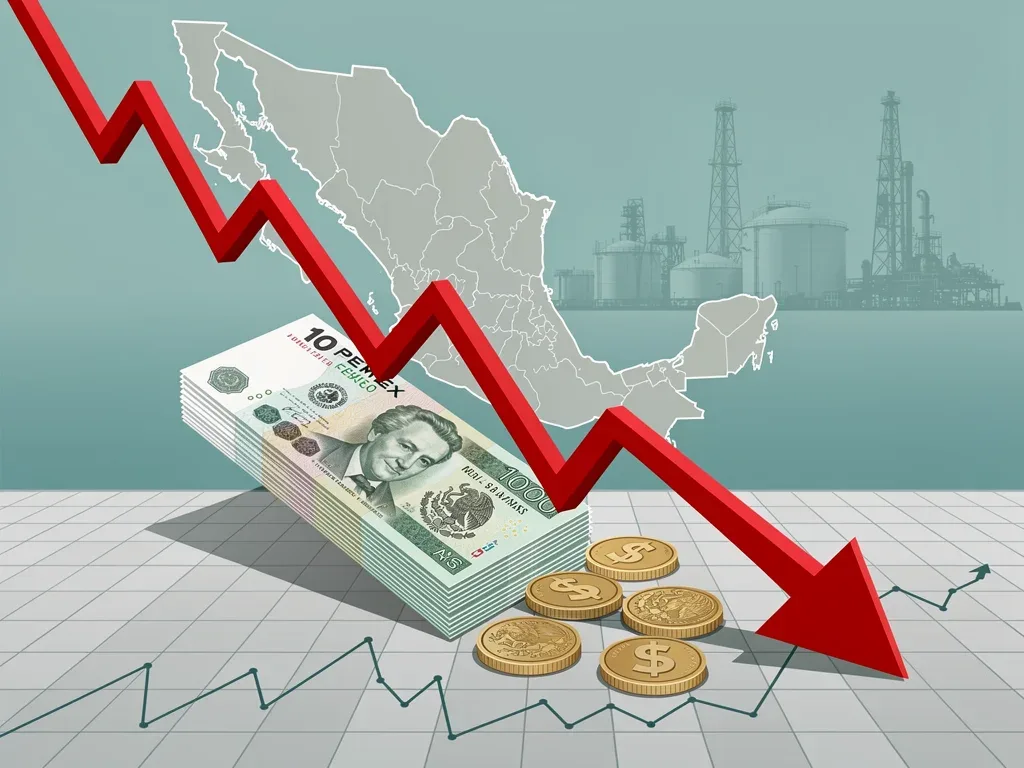
This could increase Mexico's dependence on imported fuels, making the country more vulnerable to international price fluctuations and supply chain disruptions. Energy security, a long-standing national priority, could be jeopardized.
Furthermore, the reduced federal support might open doors for greater private sector participation in the energy industry, leading to a more diversified but potentially less integrated energy market. This shift could bring new investment but also raise questions about national control over strategic resources.
Market Reactions and Investor Confidence
The news of Pemex Financial Restructuring in 2026 has already begun to elicit reactions from financial markets and international investors. The perception of risk associated with Pemex is a direct reflection of broader confidence in Mexico's economic management and future prospects.
Any uncertainty surrounding Pemex's financial health tends to translate into higher risk premiums for Mexican assets, including government bonds and corporate debt. This can make it more expensive for both public and private entities in Mexico to raise capital, hindering investment and economic expansion.
Foreign direct investment (FDI) into Mexico's energy sector and other industries could also be impacted. Investors seek stability and predictability, and significant policy changes affecting a key state enterprise like Pemex can introduce an element of caution, potentially diverting capital to more secure markets.
Investor Sentiment and Capital Flight Concerns
Investor sentiment is a crucial driver of capital flows. If the market perceives that Pemex's restructuring is poorly managed or that the economic risks are too high, it could lead to a reduction in investor confidence.
This lack of confidence might manifest as capital flight, where investors withdraw their funds from Mexico in favor of other markets. Such a scenario would weaken the Mexican peso, increase inflation, and further destabilize the financial system.
The government's communication strategy and its ability to present a credible plan for Pemex's future without substantial federal subsidies will be vital in mitigating these concerns and reassuring investors.
Implications for the Mexican Peso and Inflation
Currency Depreciation: Weakened investor confidence and potential capital flight could lead to a depreciation of the Mexican peso against major currencies.
Import Costs: A weaker peso makes imported goods, including essential refined fuels, more expensive, contributing to inflationary pressures.
Interest Rate Hikes: To combat inflation and stabilize the currency, Mexico's central bank might be compelled to raise interest rates, potentially slowing economic activity.
Purchasing Power: Higher inflation erodes the purchasing power of Mexican households, impacting consumer spending and overall economic well-being.
The interplay between Pemex's financial health, investor sentiment, and macroeconomic indicators like the peso and inflation highlights the critical nature of the upcoming restructuring. Managing these dynamics effectively will be key to avoiding significant economic turbulence.
Strategies and Potential Solutions for Pemex
Addressing the challenges posed by Pemex Financial Restructuring in 2026 requires a multi-pronged approach. Pemex and the Mexican government must implement robust strategies to navigate this complex financial landscape and ensure the company's long-term viability.
One crucial aspect involves enhancing operational efficiency and reducing costs within Pemex. This could include optimizing refining processes, streamlining administrative functions, and divesting non-core assets to focus on more profitable ventures. Such internal reforms are essential for Pemex to stand on its own feet.
Furthermore, exploring alternative financing mechanisms, beyond direct government subsidies, will be paramount. This might involve strategic partnerships, issuing new debt with attractive terms, or leveraging its extensive asset base to secure private investment, diversifying its funding sources.
Enhancing Operational Efficiency and Cost Reduction
Pemex's current operational structure is often criticized for inefficiencies and high costs. The reduction in subsidies provides a strong impetus to undertake comprehensive reforms aimed at improving productivity and reducing expenditure.
This could involve modernizing equipment, adopting advanced technologies for extraction and processing, and implementing stricter budgetary controls. A focus on optimizing the supply chain and reducing losses from theft and corruption would also yield significant financial benefits.
Successful cost reduction initiatives would not only free up capital for reinvestment but also demonstrate Pemex's commitment to financial discipline, potentially improving its standing with creditors and investors.
Diversification of Revenue Streams
Petrochemical Expansion: Investing in higher-value petrochemical products could diversify Pemex's revenue beyond crude oil and refined fuels.
Renewable Energy Projects: Exploring and investing in renewable energy sources could align Pemex with global energy transition trends and open new markets.
Strategic Partnerships: Collaborating with private companies on specific projects could bring in capital, technology, and expertise, sharing both risks and rewards.
Asset Optimization: Monetizing underutilized assets or entering into joint ventures for infrastructure development could generate additional income.
Diversifying revenue streams is not just about financial stability; it's about future-proofing Pemex in a rapidly evolving global energy market. Reducing reliance on traditional oil and gas revenues is a strategic imperative for long-term sustainability.
Government's Role and Policy Responses
The Mexican government's role in the Pemex Financial Restructuring in 2026 is pivotal. Beyond simply reducing subsidies, the government must formulate comprehensive policy responses that support Pemex's transition while safeguarding national economic stability.
This includes providing regulatory clarity and a stable policy environment that encourages both domestic and foreign investment in Mexico's energy sector. Predictable rules and a level playing field are essential for attracting the capital Pemex will need to modernize and grow without direct federal aid.
Furthermore, the government might need to consider targeted support mechanisms that are not direct subsidies but rather incentives for efficiency, technological upgrades, or environmental compliance. These could help Pemex adapt to the new financial realities while meeting national objectives.
Regulatory Framework and Investment Climate
A transparent and efficient regulatory framework is critical for attracting investment into Mexico's energy sector. Investors need assurance that contracts will be honored, and that legal and operational risks are clearly defined and manageable.
The government must work to reduce bureaucratic hurdles and streamline permitting processes to facilitate new projects, both for Pemex and for private entities. This would create a more competitive and dynamic energy market, benefiting the entire economy.
A stable investment climate is not just about oil and gas; it extends to other sectors as well. Confidence in the energy sector often signals broader confidence in the country's economic governance, influencing overall FDI.
Social and Political Considerations
Labor Relations: The restructuring might involve difficult decisions regarding Pemex's workforce, requiring careful management of labor relations to avoid social unrest.
Public Perception: The government must effectively communicate the rationale behind the subsidy cuts and the long-term benefits to gain public support and mitigate criticism.
Regional Impact: Communities heavily reliant on Pemex operations could face economic hardship, necessitating targeted social programs and economic diversification efforts.
National Sovereignty: Balancing the need for private investment with concerns over national control of strategic resources will remain a sensitive political issue.
Navigating these social and political considerations will be as crucial as managing the financial aspects of the restructuring. A holistic approach that addresses both economic and societal impacts is essential for a successful transition.
Future Outlook and Long-Term Sustainability
The long-term sustainability of Pemex, following the Pemex Financial Restructuring in 2026 hinges on its ability to adapt and evolve. The challenges are significant, but so are the opportunities for a leaner, more efficient state-owned enterprise.
A successful restructuring could transform Pemex into a more competitive and financially independent entity, contributing positively to Mexico's fiscal health rather than being a drain on resources. This would free up government funds for other critical public services and investments.
However, failure to effectively manage the transition could deepen Pemex's financial woes, exacerbate Mexico's economic vulnerabilities, and potentially lead to further calls for more drastic measures. The stakes are undeniably high for the company and the nation.
Pathways to Financial Independence
Achieving true financial independence for Pemex will require sustained commitment to reform and a willingness to embrace new business models. This includes a continued focus on cost reduction, operational efficiency, and strategic investments in profitable areas.
Exploring partnerships with private companies, both domestic and international, could provide much-needed capital and technological expertise. These collaborations could unlock new reserves, improve refining capabilities, and develop new energy projects.
Ultimately, Pemex's pathway to independence lies in its ability to generate sufficient revenue from its operations to cover its costs, service its debt, and fund future investments without relying on government handouts. This is a monumental task but one that is essential for its survival.
Mexico's Energy Future Beyond Pemex
Renewable Energy Growth: The shift away from fossil fuel subsidies could accelerate Mexico's transition towards renewable energy sources, diversifying its energy matrix.
Private Sector Participation: Increased private investment in the energy sector could lead to greater efficiency, innovation, and a more competitive market.
Energy Security: A diversified energy mix, with a strong emphasis on renewables and efficient domestic production, could enhance Mexico's long-term energy security.
Economic Diversification: Reducing reliance on oil revenues could encourage the growth of other economic sectors, making Mexico's economy more resilient to commodity price fluctuations.
Mexico's energy future is not solely dependent on Pemex. The restructuring presents an opportunity to redefine the country's energy strategy, embracing a more sustainable and diversified approach that benefits all Mexicans.
Key Point | Brief Description |
|---|---|
Subsidy Reduction | Pemex faces a 15% cut in federal subsidies starting in 2026, impacting its financial model. |
Economic Risks | Potential sovereign credit rating downgrades and increased borrowing costs for Mexico. |
Investment Impact | Reduced capital for exploration and production, potentially leading to lower oil output. |
Market Confidence | Investor sentiment and capital flows are sensitive to Pemex's financial stability and government policy. |
Frequently Asked Questions on Pemex Restructuring
What is the core of Pemex Financial Restructuring in 2026?▼
The core of the restructuring is a 15% reduction in federal subsidies to Pemex, aiming to push the state oil company towards greater financial independence and reduce its reliance on government support. This decision is part of a broader fiscal strategy.
How will this subsidy reduction affect Mexico's economy?▼
The subsidy reduction could lead to increased financial pressure on Pemex, potentially impacting Mexico's sovereign credit rating, increasing borrowing costs, and affecting the national budget. It also risks reduced investment in the energy sector.
What are the main economic risks associated with this change?▼
Key economic risks include potential downgrades in Mexico's credit rating, a decline in oil production due to reduced investment, increased dependence on imported fuels, and possible negative impacts on the Mexican peso and inflation rates.
What strategies can Pemex employ to mitigate these risks?▼
Pemex can focus on enhancing operational efficiency, reducing costs, and diversifying its revenue streams through petrochemical expansion or renewable energy projects. Strategic partnerships with private companies could also provide crucial capital and expertise.
What is the government's role in this financial restructuring?▼
The Mexican government must provide a clear regulatory framework and a stable investment climate to attract private capital. It also needs to manage the social and political implications of the restructuring, ensuring a balanced approach to energy policy.
What this means
The Pemex Financial Restructuring in 2026 represents a defining moment for Mexico's energy sector and overall economy. The government's commitment to fiscal discipline, coupled with Pemex's ability to adapt, will dictate the success of this transition.
Stakeholders should monitor policy developments, market reactions, and Pemex's operational performance closely, as these will be key indicators of Mexico's economic trajectory in the coming years.
The long-term implications for national debt, energy independence, and investor confidence are significant and warrant continuous attention.