Mexico’s Public Spending Priorities 2026: 70% Budget Allocation
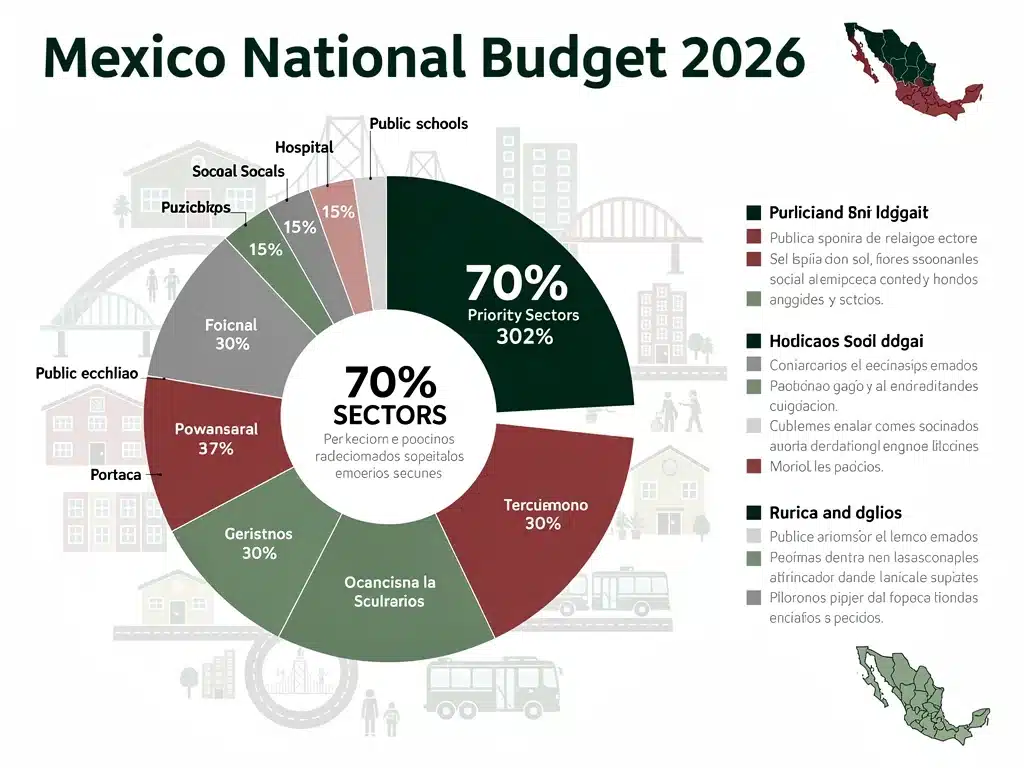
Mexico’s public spending strategy for 2026 is centered on fiscal consolidation while preserving investment in priority sectors. Government officials have indicated that spending will continue to support infrastructure, energy, healthcare, education, and social programs, alongside greater use of public-private partnerships to stimulate economic growth. Recent economic assessments also emphasize improving the quality of public expenditure to strengthen long-term fiscal sustainability.
These developments matter because they influence economic activity, regional development, and investor confidence. Authorities have outlined implementation timelines for major infrastructure projects and reaffirmed their commitment to maintaining fiscal discipline despite slower economic growth. At the same time, credit rating agencies continue to monitor Mexico’s fiscal position, highlighting the importance of controlling deficits and managing public debt while supporting strategic investments.
Looking ahead, businesses and investors should monitor the execution of the federal budget, progress on infrastructure and energy initiatives, revenue collection, and any adjustments to spending priorities throughout the year. Future updates from the Ministry of Finance (SHCP), economic growth data, and fiscal reports will provide important signals on whether Mexico remains on track to balance public investment with long-term fiscal stability.
Understanding Mexico’s Public Spending Priorities for 2026
The upcoming fiscal year, 2026, marks a pivotal period for Mexico’s economic trajectory, with significant budgetary commitments already taking shape. Early indications from the Ministry of Finance and Public Credit (SHCP) suggest a strategic redirection of funds towards key areas deemed critical for national development and social welfare.
Advertisements
This concentrated approach aims to maximize impact in sectors identified as foundational for long-term stability and growth. The focus on specific priority areas reflects a broader governmental vision to address persistent challenges while fostering new opportunities.
Understanding Public Spending requires a deep dive into the rationale behind these decisions. The government’s fiscal policy for 2026 is not merely an allocation of funds but a strategic blueprint for the nation’s future.
The Rationale Behind Concentrated Spending
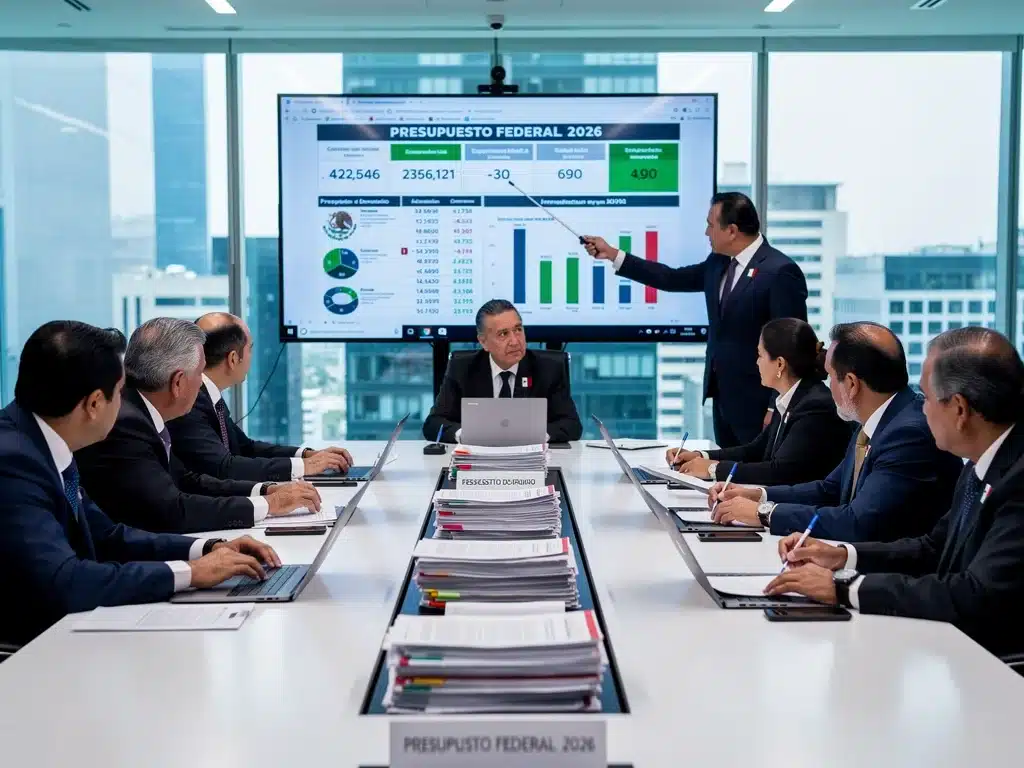
The decision to allocate a substantial 70% of the budget to a few select areas stems from a comprehensive analysis of national needs and strategic objectives. This includes addressing social inequalities, bolstering critical infrastructure, and ensuring economic resilience in a dynamic global environment.
Officials emphasize that this targeted spending is designed to create a multiplier effect, where investments in core sectors stimulate broader economic activity and improve living standards. The goal is to achieve measurable progress in areas that directly affect the daily lives of Mexican citizens.
This strategic concentration is expected to streamline resource deployment and enhance accountability. By focusing on fewer, larger initiatives, the government aims to reduce fragmentation and improve the efficiency of public expenditure, ensuring that Public Spending delivers tangible results.
- Strategic investment in high-impact sectors.
- Maximizing efficiency through focused resource allocation.
- Addressing long-standing national development challenges.
Key Sectors Receiving the Lion’s Share of the Budget
Initial reports highlight several key sectors that are expected to absorb the majority of the 2026 budget. These include social programs, infrastructure development, and energy projects, reflecting a continued commitment to both social equity and economic modernization.
Social welfare initiatives, particularly those aimed at vulnerable populations, are anticipated to receive substantial funding. This aligns with the current administration’s focus on reducing poverty and improving access to essential services for all Mexicans.
Furthermore, significant investments in infrastructure are planned to enhance connectivity, support economic growth, and create employment opportunities. These projects are crucial for modernizing the country’s physical backbone and facilitating trade and commerce, directly impacting Public Spending.
Social Programs and Welfare Initiatives
A significant portion of the budget will be directed towards various social programs designed to support families, the elderly, students, and other vulnerable groups. These programs often include direct cash transfers, scholarships, and access to healthcare services, forming a critical safety net for millions.
The government’s emphasis on social welfare reflects a commitment to inclusive growth, ensuring that the benefits of economic development are broadly shared. This approach aims to mitigate social disparities and foster a more equitable society.
These initiatives are central to the administration’s agenda, and their continued funding underscores their importance in Public Spending. The goal is to strengthen the social fabric of the nation and improve overall quality of life.
- Direct support for low-income families.
- Increased access to education and healthcare.
- Programs for the elderly and people with disabilities.
Infrastructure Development: Boosting Connectivity and Growth
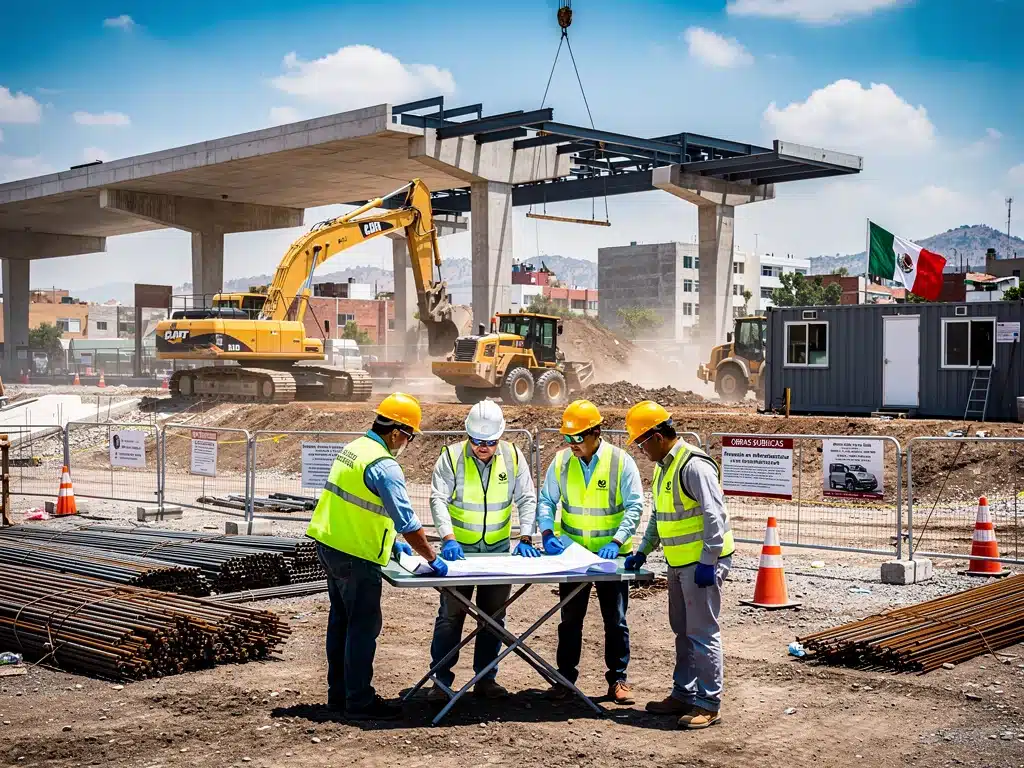
Infrastructure development remains a cornerstone of Mexico’s economic strategy, with substantial funds earmarked for major projects across the country. These investments are critical for improving transportation networks, enhancing logistics, and stimulating regional economies.
Projects range from road construction and port modernization to the expansion of public transportation systems. The aim is to reduce transportation costs, improve efficiency, and facilitate both domestic and international trade, which is a major component of Public Spending.
These infrastructure initiatives are not only about physical construction but also about laying the groundwork for future economic expansion. By improving connectivity, the government seeks to attract foreign investment and boost industrial competitiveness.
Major Projects and Regional Impact
Key infrastructure projects, such as the ongoing development of the Tren Maya and the expansion of major highways, are expected to continue receiving strong budgetary support. These projects are designed to have a transformative impact on the regions they serve, creating jobs and fostering local economic activity.
The regional impact of these investments is a significant consideration, with efforts to ensure that benefits are distributed equitably across different states. This geographical focus is intended to address disparities in development and promote more balanced growth.
The long-term vision is to create a more integrated and efficient national infrastructure network, capable of supporting Mexico’s growing economy and population. This makes infrastructure a critical element in understanding Public Spending
Energy Sector Investments and Sustainability Goals
The energy sector is another significant recipient of public funds, with a dual focus on strengthening state-owned enterprises and advancing towards greater energy independence. Investments are being channeled into both conventional and renewable energy projects.
Efforts are underway to modernize existing power plants and explore new sources of sustainable energy. This strategic direction aims to ensure a stable and affordable energy supply while also contributing to Mexico’s environmental commitments.
The energy transition is a key component of the national development agenda. The government recognizes the importance of balancing energy security with environmental stewardship, making it a critical aspect of Public Spending.
Strengthening PEMEX and CFE
State-owned energy companies, Petróleos Mexicanos (PEMEX) and Comisión Federal de Electricidad (CFE), are expected to receive substantial financial backing. These investments are aimed at increasing their operational efficiency, modernizing infrastructure, and ensuring their long-term viability.
The support for PEMEX and CFE is seen as crucial for maintaining national energy sovereignty and controlling prices for consumers. This strategic decision reflects a broader governmental policy to reinforce key state assets.
By bolstering these entities, the government seeks to ensure energy self-sufficiency and reduce reliance on foreign energy sources. This directly shapes Public Spending within the energy landscape.
- Modernization of oil and gas infrastructure.
- Expansion of electricity generation capacity.
- Investment in renewable energy projects.
Economic Implications and Fiscal Stability
The concentrated spending strategy for 2026 carries significant economic implications, both positive and potentially challenging. While aimed at stimulating growth and social welfare, it also requires careful management to maintain fiscal stability.
Analysts are closely watching how these large-scale expenditures will be financed and their potential impact on public debt. The government’s commitment to fiscal discipline will be crucial in ensuring the sustainability of these ambitious plans.
The effectiveness of Public Spending will ultimately be judged by its ability to deliver tangible economic benefits without compromising the nation’s financial health.
Balancing Growth with Debt Management
One of the primary challenges for the Mexican government will be to balance the pursuit of economic growth through public spending with responsible debt management. This requires a delicate equilibrium to avoid inflationary pressures and maintain investor confidence.
The Ministry of Finance has reiterated its commitment to prudent fiscal policies, emphasizing that any increase in spending will be carefully calibrated. This includes exploring various financing mechanisms and optimizing revenue collection to support the budget.
Maintaining a healthy fiscal outlook is paramount for attracting both domestic and foreign investment, which is vital for the long-term success of Public Spending.
Transparency and Accountability in Budget Allocation
With such a significant portion of the national budget allocated to specific sectors, transparency and accountability mechanisms become critically important. The public and various oversight bodies will be scrutinizing how these funds are managed and utilized.
The government has pledged to enhance oversight and implement strict monitoring protocols to ensure that public funds are spent efficiently and for their intended purposes. This includes regular reporting and public disclosure of project progress and financial outlays.
Strengthening anti-corruption measures and promoting good governance are essential to build public trust and ensure the integrity of Public Spending.
Oversight Mechanisms and Public Scrutiny
Independent auditing bodies and civil society organizations will play a crucial role in monitoring the implementation of these spending plans. Their oversight helps to ensure that projects are delivered on time and within budget, and that funds are not diverted.
Public scrutiny, facilitated by accessible information and open data initiatives, empowers citizens to hold their government accountable. This participatory approach is vital for democratic governance and the effective use of public resources.
The success of Public Spending hinges on robust transparency measures. This fosters confidence in the government’s ability to manage large-scale investments responsibly.
Challenges and Potential Roadblocks Ahead
While the strategic allocation of Public Spending offers significant opportunities, it also faces several potential challenges. These include global economic volatility, domestic political dynamics, and the inherent complexities of large-scale project execution.
External factors such as fluctuating commodity prices, global supply chain disruptions, and international financial market movements could impact Mexico’s fiscal revenues and spending capacity. The government must remain agile and responsive to these external pressures.
Internally, political transitions and potential shifts in policy priorities could also affect the continuity and implementation of current spending plans. Ensuring long-term commitment to these projects will be crucial for their ultimate success.
Navigating Global and Domestic Headwinds
Managing the interplay between global economic trends and domestic policy requirements will be a key challenge. Mexico’s economy is deeply integrated into global markets, making it susceptible to external shocks.
Domestically, the political landscape is always evolving, and future administrations may choose to re-evaluate or modify existing budget priorities. This necessitates a robust and adaptable framework for public spending.
The ability to anticipate and respond to these headwinds will largely determine the effectiveness of Public Spending. Strategic flexibility is paramount.
- Global economic uncertainties and their impact on revenue.
- Political transitions and shifts in policy direction.
- Operational challenges in executing large-scale projects.
Future Outlook: Impact on Mexican Society and Economy
The long-term impact of Public Spending on Mexican society and economy is expected to be profound. If successful, these investments could lead to sustained economic growth, improved social indicators, and enhanced national competitiveness.
Improved infrastructure will facilitate trade and investment, while strengthened social programs will reduce poverty and inequality. The energy sector investments aim to ensure a reliable and sustainable power supply for future generations.
Ultimately, these budgetary decisions are about shaping the future of Mexico, laying the groundwork for a more prosperous, equitable, and resilient nation. The strategic focus on a few key areas is intended to maximize these positive outcomes.
Measuring Success and Long-Term Benefits
Measuring the success of these spending priorities will involve tracking a range of economic and social indicators over time. This includes GDP growth, employment rates, poverty reduction, access to education and healthcare, and infrastructure development milestones.
The long-term benefits are envisioned to extend beyond immediate economic gains, encompassing a stronger social fabric, a more educated workforce, and a more sustainable environmental footprint. These are the aspirations guiding Public Spending.
The government’s commitment to regular evaluation and adaptation will be essential to ensure that the spending strategy remains aligned with national goals and delivers the desired long-term impact on the Mexican people.
| Key Priority | Brief Description |
|---|---|
| Social Programs | Direct aid, education, and health services for vulnerable populations. |
| Infrastructure | Roads, ports, and public transport to boost connectivity and trade. |
| Energy Sector | Investment in state-owned companies and renewable energy initiatives. |
| Fiscal Stability | Balancing growth with debt management and transparent oversight. |
Frequently Asked Questions About Mexico’s 2026 Budget
Mexico’s Public Spending Priorities for 2026 focus heavily on social programs, infrastructure development, and the energy sector. These areas are expected to receive a significant portion, approximately 70%, of the national budget, aiming to foster inclusive growth and national development. This strategic allocation reflects the government’s commitment to addressing key societal and economic challenges.
The concentration of 70% of the budget into specific areas is a strategic decision to maximize the impact of public funds. This approach aims to create a multiplier effect, stimulating broader economic activity, improving social welfare, and modernizing critical infrastructure. It targets areas deemed essential for long-term stability and growth in Mexico.
These spending priorities are expected to stimulate economic growth, create jobs, and enhance national competitiveness. Investments in infrastructure will improve connectivity, while social programs aim to reduce inequality. The success hinges on careful fiscal management to balance growth with debt stability and ensure long-term positive economic outcomes for Mexico.
The government has pledged to implement robust transparency and accountability mechanisms. This includes strict monitoring protocols, regular public reporting, and oversight by independent auditing bodies and civil society organizations. The goal is to ensure efficient fund utilization and prevent corruption, fostering public trust in Mexico’s Public Spending Priorities for 2026.
Key challenges include global economic volatility, potential shifts in domestic political priorities, and the inherent complexities of executing large-scale projects. The government must navigate these headwinds while maintaining fiscal stability and ensuring the sustained commitment required for long-term project success within Mexico’s Public Spending Priorities for 2026.
Perspectives and Future Monitoring
The strategic focus of Public Spending represents a critical juncture for the nation. It underscores a clear governmental intent to drive development through targeted investments, impacting millions of lives.
Continued vigilance from citizens, independent bodies, and media will be essential to ensure that these ambitious plans translate into tangible benefits without compromising fiscal health. The coming months will provide further clarity on implementation details and initial outcomes.
Monitoring official reports, economic indicators, and the progress of key projects will be crucial for understanding the true trajectory and impact of Mexico’s 2026 budget. This will reveal if the concentrated spending strategy achieves its intended transformative effects.